
Reviews & Previews
Sir, You Are Being Hunted Review – The Robotic Gentry Sentry

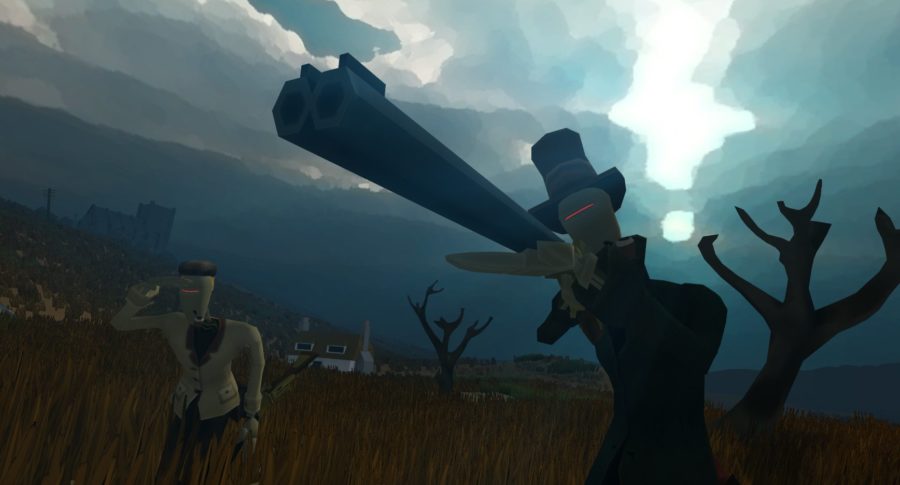
Prepare for stereotypes, the likes of which you have never experienced before. Sir, You Are Being Hunted is a survival game, which shares many similarities with games such as Arma III, Dayz and Warz. After all, they are essentially the same game, right? I digress. The game has taken the popular zombie survival genre, and replaced the zombies with robot gentry. Nothing better than eloquently spoken killer robots and their k9’s chasing you through the English countryside. A truly odd, yet stimulating experience. I regularly felt like a fox being hunted by the English Gentry and their hounds…poor foxes. As mentioned, the game is set in the English Countryside; a rather neglected setting for modern games. It executes the setting perfectly, and everything about the game feels distinctly British. Overcast skies, fog effects, and the colouring used will remind us Brit’s why we don’t go outside; and instead prefer to hide in the dark playing video games. Don’t be disheartened though, being chased by scary beep-booping robots through the English countryside is a truly unique and exhilarating experience.
The game is based around a mad scientist who…you guessed it, failed an experiment. Somewhat cliché, yet perfectly executed. The entire game revolves around cleaning up your mistakes by collecting fragments of some sort of machine, and returning them to a predestined location. Every play-through will differ, however, due to the fact that the world, or biomes as they are known, are randomly generated. At the start of each play-through you can configure what the world will look like, by choosing the terrain that you will encounter on each of the 4 biomes. There are various terrain options, the most interesting of which is definitely the rocky/mountainous terrain. For most of the game you will be sneaking around in the hinterlands surrounding small hamlets, or rummaging through old outhouses and buildings in the hope of finding tea, biscuits and fine British Ale. I warned you that the stereotypes were strong! The only things missing are scones and crumpets, but then again, they would be rather scarce in a post-apocalyptic world.
The atmosphere of the game is outstanding, it feels quintessentially British. Overcast skies, fog effects, and the dull pallet used, all add a very sullen British aesthetic to the game. The leafless copses and fauna are all perfectly fitting, and add a very realistic feel to the game. The setting is a real strength, and whilst escaping from my hunters I repeatedly felt like a prisoner escaping from Dartmoor, not that I’d know what that feels like. The overgrown fields and higgledy piggledy hedgerows provide a perfect environment to hide and misguide your predators. The only issue that I had whilst stalking amidst the overgrown grass and fauna, was the fact that there is no option to crouch, crawl or lay. It seems nonsensical to have a game based around stealth and subtlety, without the ability to properly conceal yourself.
Once the robot gentry or their K9’s spot you, you will either have to run for your life, or engage in a gunfight with guns that literally couldn’t hit the broad side of a barn. Trust me, I actually tried to shoot a barn; and missed. The gun-play may feel slow and inaccurate, but it actually fits the game and the universe it is set in. The guns feel right because of their slowness, with the robots using vintage hunting rifles; and you using the same(as you scavenge it from their…corpses?). You will regularly find yourself face to face with a robot, both of you reloading, throwing crumpets and foul mouthed words at each other in the mean time…this doesn’t actually happen, but I wish it did. A stale crumpet could easily kill man and robot alike. As it currently stands, there are very few guns in-game, and this is a shame. The option between a pistol and a rifle is rather disappointing, and I would love to see some gimmick weapons such as a slingshot, for reasons of distraction. This is probably a result of the game still being in it’s alpha stage, but I really felt as if the guns were a bit bland, and I tended to use them as more of a distraction tool rather than a deadly weapon.
Whilst playing through the game, I also noticed that my actions had very little consequence attached to them. Some form of consequence for collecting fragments should be present, as currently there is no consequence for picking them up; and it would be awesome if the security increased every time a fragment was collected. Another option could be potentially making you easier to spot whilst carrying a fragment; or just simply increasing the amount of robots present on the map once X amounts of fragments have been recovered. The game could even go as far as to release some form of boss once you have nearly collected all of the fragments. Nothing would please me more than seeing the bloodsucker from STALKER rampaging across the idyllic English countryside. Although it would have to be a robotic bloodsucker…unless, of course, it also escaped from your laboratory when the experiment went horribly wrong!
My second gripe with the game is the fact that the sentry balloons are so underwhelming. They don’t seem to be a worry at all, and I eventually stopped looking up to the sky, as they really offer no threat whatsoever. Having to constantly watch both the sky, and ground, would improve the game greatly and vastly increase the amount of stealth required to complete each play-through. The air balloons currently feel like the overweight house-cat of the security world. The term ‘eye in sky’ really doesn’t apply to them. It would be wonderful if the balloons were dangerous, and if players could fully interact with them; and when I say interact, I obviously mean shoot and loot! Nothing would please me more than shooting a balloon down into the hinterlands — and seeing its flaming wreckage plummet to the ground — knowing fully in my mind that it will be full of tasty crumpets and flasks of strong tea. Or in my case, mouldy bread and a few odd mints. Woe is me.
Something else which deeply worried me after my first successful play-through was the games length, and moreover, its variety of enemies and experiences. The game offers very little in the way of monsters skins, in fact, I could count them on one hand. Moreover, the game really seems to lack a variety of experiences. What I mean by this, is the fact that the objectives are very clear cut; and the ways to complete them are very linear. You collect weaponry and food from houses, and use this to survive whilst collecting fragments. That is all there is to it. While you are partaking in these activities, everything begins to feel very repetitive. There are no consequences for your actions, nor does your progress effect the way in which the game reacts to your actions. This could be fixed by added a progressive AI system to the game, which I have no doubt will occur. After all this game is still in its Alpha stage, and bearing that in mind, it is a very polished experience thus far.
The issue of a lack of experiences could also be overcome, in part, by adding access to buildings. Currently you can loot a building by simply pressing E while standing at its doorway. Providing access to buildings would vastly increase the level of enjoyment, due to the fact that it provides various different environments for the player to explore; but it also allows for a safe haven from those blasted robots and their hounds! Nothing would please me more than having a shoot-out with a robot, whilst I was in the security of a small hamlet. Sounds like a film that Nick Frost and Simon Pegg would act in, and therefore I would like it.
For a game that is in its Alpha stage, Sir, You Are Being Hunted is an outstanding game. It will provide you with hours of stimulating game-play, and you will repeatedly get to fire pot-shots at the British gentry, even if they are automated — which they usually are anyway. You will repeatedly find yourself feeling like a fox being chased by the Lords and their bassets hounds, even if the hounds are reminiscent of k9. The setting and atmosphere of the game are its real strength, and the combination of terrain, fauna, weather, and hamlets provides the game with a distinctly British feel. As with all games in their Alpha stage, there are some flaws; and some improvements do need to be made. However, taking all factors into consideration, with a few changes, Sir You Are Being Hunted has the potential to be an outstanding game upon release.
Final rating:






When Wendy’s launched Feast of Legends in 2019, I initially regarded it as a clever marketing gimmick. A tabletop role-playing game from a fast-food chain? It seemed like a subject for laughter at a D&D players’ gathering. But after going through the accompanying rulebook and even playing a one-shot, I came to the conclusion that it’s not merely a publicity stunt but rather, a well-thought-out and humorous parody of old-school fantasy RPGs. The game succeeds in intertwining humor, brand images, and fun gameplay in such a manner that it is both delightful and practical. It’s partly a marketing ploy and partly a fun campaign with more fun than one might guess from a setting around burgers and fries.
In the following review, I will recount my sincere adventure with the land of Beef’s Keep, fighting the Frozen Fiends, and checking if Feast of Legends remains a real RPG. Spoiler: it does – with the condition that you prepare for an equal measure of comedy and chaos.
Setting the Scene: The World of Beef’s Keep

The game is set in the Kingdom of Freshtovia, a land where the kind-hearted Queen Wendy, whose aim is to save her subjects from the frozen threats of the wicked Ice Jester and his Frozen Beef Clan, rules with her benevolence. A fantasy world with funny names and metaphors of fast food, yet quite detailed and complex. The different areas are a distorted representation of competing fast-food chains – the Deep Freeze is akin to the frozen food section, while The Box stands as a symbol of the generic “combo meal” rivalry.
What I found most impressive is that the game indirectly brand jokes but it actually creates the atmosphere that is like a campaign world. The players assume the position of the champions who have pledged to uphold the fresh, never frozen principles – a humorous reference to Wendy’s long-standing slogan. It is like the writing is playing a tightrope between satire and sincerity, but it is very skilled and it works somehow. Even if one is not a regular at Wendy’s, the playful background of the game will give a lot of amusement.
Simple Rules, Fresh Flavor
Feast of Legends has its own simplified system that is quite different from other systems like D&D’s 5E. Players roll a twenty-sided die (d20) for most actions, making it instantly recognizable to anyone who has ever played a tabletop game before. Instead of having character classes like the typical fighter or wizard, players pick “Orders” that are inspired by the different items in the Wendy’s menu – Order of the Beef, Order of the Chicken, Order of the Fries, and so on.
Each Order brings its own unique sets of abilities. For example, the Order of the Beef has the main emphasis on the frontline combat sector, while the Order of the Chicken has a tendency or inclination towards being quick and versatile. These differences in abilities still make the game lighthearted but at the same time are mechanically distinct enough to have an effect. The system is so easy that even a novice can understand it, which is the reason it is perfect for the casual game nights or even the convention sessions.
The humor that is part of every mechanic is what really sells it. “Feasts” are the names given to buffs, a hero’s well-fed state determines his/her stats, and eating Wendy’s food at the table even gives your character in the game bonus points! It is outrageous but in a very good way.
The Adventure: Rise from the Deep Freeze

The free PDF campaign that is the main part of the core campaign features the adventure Rise from the Deep Freeze with five chapters. The plot begins when the frozen armies of the Ice Jester threaten the Queen’s domain, and thus, the players have to go on a mission to melt the whole kingdom and overpower his crooked power with their thawing influence.
The narrative of each chapter has its own depicts, characters, and side quests that are the RPG standard ones but with a fast-food laugh. Among such bizarre things there are traveling vendors selling “artisanal buns,” dungeons shaped like kitchen freezers, and villains with names like The Beef Bandit and the Fry Fiends. It is silly, but at the same time, it is well-timed.
What impressed me most was the adventure’s accessibility. It has little structure which is easy for newcomers to follow, but, at the same time, it allows a lot of space for improvisation. The joke is never at the expense of the gameplay, rather it is a major triumph for a system that is mainly meant to be fun. The designers have gone the extra mile to ensure that the game was a proper playing experience rather than merely a marketing tool.
Art, Layout, and Design
Feast of Legends, an RPG that is part of a free promotional campaign, is no less than marvelous. The design of the rulebook is neat, vibrant, and very professional. The pictures combine old-fashioned fantasy elements with the bizarre nature of fast-food – some knights in armor wielding spatulas instead of swords, mystical fries glowing with golden light, and of course, Queen Wendy herself as a glorious princess.
Every part of it is really simple to go through, and the font used gives the feeling of being specifically reminiscent of the popular RPG books. It is obvious that the makers intended it to look real, and they have achieved that very quality. I have spent money on indie RPGs that appeared to be less polished than this free one. The maps and encounter tables are simple yet serving their purpose, providing the Dungeon Masters (or “Game Masters” as it is called in this case) just the right amount to get started and plenty of room for imagination to fill in.
Gameplay Experience: Fast, Funny, and Surprisingly Functional

My expectations for Feast of Legends, when I decided to run it for my group, were mostly limited to laughing. However, what turned out to be was a night filled with wonderful fun and awesome creativity. The rules were so easy and simple no one ever had to refer to the book for rules, and the humor that was incorporated in the game kept everybody participating and involved. The idea of taking part in a fight against “frozen bull beef monsters” while at the same time using “spicy chicken magic” was a bit humorous but it also helped the players to be more creative than usual.
The combat vs. roleplay divide is faint but it works. The encounters are quick and there are a good number of different types of enemies to keep the players uncertain about what will happen next. While the hardcore RPG players may consider it shallow for a long-term campaign, it is just right for a one-shot or a fun gaming night. Think of it as the fast-food of RPGs – quick, delightful, and best when not overdone.
Cultural Impact and Legacy
Feast of Legends certainly was a marketing stunt but soon enough it became a real hit with the board games lovers. It indicated that games with a logo do not have to be bad-quality tie-ins at all. On the contrary, it opened a discussion about how companies could tell stories and build worlds in new, more conscious ways. The game was a free download, so nobody had to spend money on playing it.
It is also a very interesting case of tabletop RPGs that have moved from being looked at as niche hobbies to being a part of mainstream pop culture. The fact that a fast-food chain went to the extent of launching a whole playable RPG is proof of the great popularity of roleplaying games. For both D&D fans and the rare players, it is a reminder that good humor and smart design can come from the most unanticipated places.
Conclusion
Feast of Legends may not take away the crown from Dungeons & Dragons in the near future, but still it is worth the recognition of what it accomplishes. It is hilarious, surprisingly functional, and completely playable – the mix that a few branded games do manage to pull off. The text is smart without being strained, the rules are easy for the first players, and the place is respectably silly for its humor.
Since I am a person who has played more RPGs than I can imagine, my expectation was to roll my eyes but instead, I rolled dice with a smile on my face. Whether you are an experienced Dungeon Master in search of a change from the regular fantasy campaigns or you just want to bring your friends into tabletop gaming through a fun way, Feast of Legends is a good choice. It is a demonstration that, sometimes, the most exciting adventures come with a portion of fries.
Introduction: Enter the World of Valorant
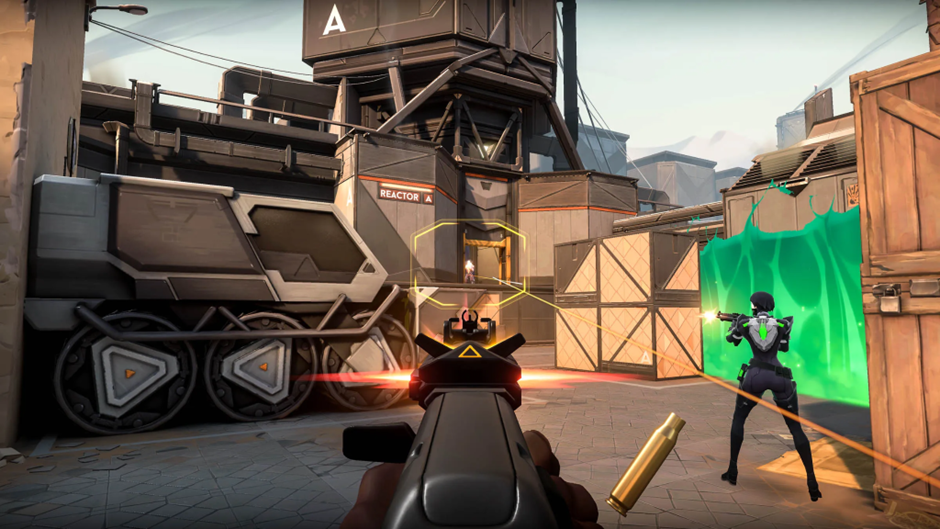
Riot Games’ Valorant has become one of the most influential tactical shooters in recent years, blending precise gunplay with hero-style abilities. Unlike traditional FPS titles, Valorant requires players not only to aim well but also to think strategically about agent abilities, team synergy, and map control.
As players explore the game, many are drawn to unlocking weapon skins, battle passes, and premium bundles that enhance the overall experience. These items require in-game currency, which can be acquired when you choose to buy Valorant points. For a secure and smooth transaction, I’ve found LootBar to be one of the most reliable platforms, offering fast service and peace of mind when topping up.
Core Gameplay and Mechanics
Valorant is built on competitive integrity and teamwork. Each match pits two teams of five against each other, with one side attacking and the other defending. The attackers plant the “Spike” (similar to a bomb), while the defenders aim to prevent detonation.
What makes Valorant stand out is its unique blend of classic FPS gunplay with hero-based abilities. Unlike pure shooters, where winning relies solely on aim, Valorant demands strategic use of smokes, flashes, heals, and other utility skills. This layered complexity ensures that no two matches feel the same.
For casual players, the game offers quick modes like Spike Rush and Deathmatch, making it easy to enjoy Valorant in short sessions. Hardcore players, meanwhile, can grind ranked matches, aiming to climb from Iron all the way to Radiant.
Agents and Customization
The roster of agents in Valorant is one of its biggest attractions. Each agent has unique abilities that can turn the tide of a match, from duelists designed to secure kills to controllers that manipulate the battlefield with smokes and walls.
Customization plays a huge role in keeping the game fresh. Skins for weapons are more than just cosmetic—they provide sound effects, finishers, and animations that add flair to your victories. While skins don’t alter gameplay balance, they are highly sought after in the community, becoming a way to show identity and prestige.
This is where Valorant Points (VP) come in. Skins, bundles, and event passes all require VP, making them the primary currency for players who want to personalize their gameplay.
Valorant’s Payment System and Monetization
Overview of In-Game Purchases
Valorant uses two main currencies:
· Valorant Points (VP): Purchased with real money and used for skins, bundles, and event passes.
· Radianite Points (RP): Primarily used to upgrade weapon skins, often acquired alongside VP.
Players frequently invest VP to unlock exclusive cosmetics, such as seasonal collections, limited bundles, or battle passes. These time-sensitive offers often create a sense of urgency, encouraging players to recharge quickly so they don’t miss out.
Pay-to-Win Considerations
One of the strongest aspects of Valorant’s system is that it avoids being “pay-to-win.” Spending money does not grant raw gameplay advantages—accuracy, reflexes, and teamwork still determine victory. Instead, purchases enhance the game’s aesthetic and social experience.
That said, investing in skins can save time compared to grinding for smaller rewards, and it allows players to participate fully in seasonal events without limitations.
Safe, Fast, and Reliable Top-Up Solutions
When it comes to topping up, safety and speed are critical. Players don’t want to risk their accounts or experience delays. That’s why many turn to platforms like LootBar, which emphasize secure transactions, fast delivery, and a smooth user interface.
LootBar stands out with strong trust metrics and a reputation among gamers for reliability. Using it ensures you can focus on playing Valorant, rather than worrying about whether your points will arrive on time.
Community, Social Features, and Competitive Scene
Valorant thrives not only as a game but also as a global esports phenomenon. It’s ranked ladder fuels competition, while international tournaments like the VCT (Valorant Champions Tour) attract massive audiences.
For casual players, the game’s social features make it easy to connect with friends, form squads, and join communities. Limited-time events and seasonal missions encourage teamwork and participation, keeping the community active year-round.
This dual approach – serving both casual and competitive players—is one of Valorant’s greatest strengths.
Pros and Cons of Valorant
Pros
· Tight, strategic gameplay with high skill expression
· Wide roster of agents with unique playstyles
· Regular updates and seasonal events keep the game fresh
· Strong esports ecosystem and global recognition
Cons
· Steep learning curve for beginners
· Skins and bundles can be costly
· Free players may face long grinds to maximize progress
While these drawbacks exist, they are softened by the fact that the core gameplay remains free-to-play and fair. Occasional VP purchases can help smooth the journey without undermining balance.
Tips for New Players
For those just starting out, it’s wise to:
· Begin with easier agents like Phoenix or Sage to learn core mechanics.
· Play unranked modes before diving into competitive matches.
· Save Valorant Points for bundles or battle passes, which offer more value.
A small VP purchase early on can also give new players access to skins that make the experience more enjoyable, without being overwhelming.
Conclusion: Is Valorant Worth Playing?
Valorant has cemented its place as one of the best tactical shooters available today. It combines strategic depth, fast-paced gunplay, and a thriving community, making it appealing to both casual and competitive players.
For those looking to personalize their journey, unlocking skins and bundles is part of the fun. The safest and most convenient way to do so is to buy Valorant points through LootBar. With a trusted platform handling the transaction, players can focus on what matters most—outsmarting opponents and enjoying every match.
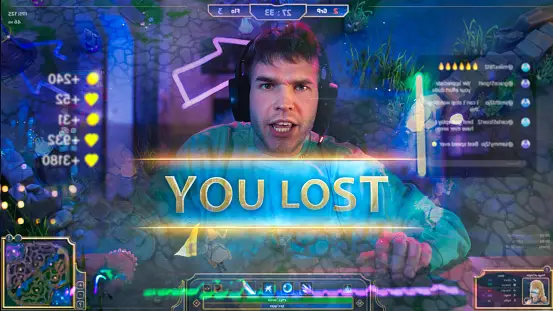
In the rapidly expanding realm of Valorant eSports, statistical analysis plays a pivotal role in understanding player performance, team dynamics, and the strategic nuances that define success in competitive play. This article delves into the significance of Valorant eSports stats, their impact on the competitive landscape, and how they empower players, teams, and fans alike.
Key Metrics in Valorant eSports Stats
Valorant eSports stats encompass a wide array of metrics that provide insights into player proficiency and team strategies. These include individual performance indicators such as kill-death ratios (K/D), average damage per round (ADR), headshot percentages, and assist counts. Team statistics such as round win percentages, first blood percentages, and economy management efficiency further illuminate strategic strengths and areas for improvement.
Analyzing Player Performance and Contribution
For professional Valorant players, statistics serve as a critical tool for evaluating individual performance and contribution to team success. By analyzing metrics like K/D ratios and ADR, players can assess their impact in securing eliminations, dealing damage, and supporting team objectives. This data-driven approach enables players to identify strengths to leverage and weaknesses to address, enhancing their overall effectiveness in competitive matches.
Strategic Insights and Adaptation
Valorant eSports stats provide valuable strategic insights that shape team tactics and gameplay adaptations. Coaches and analysts analyze statistical trends to optimize agent selections, refine map strategies, and counter opponents’ playstyles effectively. The ability to leverage data-driven decision-making empowers teams to evolve their tactics, adapt to meta-game shifts, and maintain a competitive edge in the dynamic world of Valorant eSports.
Tracking Tournament Trends and Meta-Game Evolution
Beyond individual matches, Valorant eSports stats track broader tournament trends and meta-game evolution. Historical data on agent pick rates, map preferences, and round outcomes reveal emerging strategies and meta-shifts over time. This analytical depth allows teams and analysts to anticipate trends, innovate strategies, and stay ahead of competitors in high-stakes tournaments and league play.
Fan Engagement and Spectator Experience
Valorant eSports stats enrich the spectator experience during live broadcasts and tournament coverage. Fans can follow real-time updates on player performances, compare stats across matches, and engage in discussions about standout plays and strategic decisions. Interactive platforms and statistical dashboards enhance viewer engagement, fostering a deeper connection with the competitive narratives unfolding in Valorant eSports.
Impact on eSports Betting and Fantasy Leagues
Valorant eSports stats play a crucial role in eSports betting markets and fantasy leagues, where informed decision-making hinges on statistical insights. Bettors and fantasy league participants leverage player and team stats to assess form, predict match outcomes, and manage their investments strategically. Real-time updates and comprehensive data analysis enhance the strategic depth and excitement of eSports engagement for fans worldwide.
Technological Advancements and Data Visualization
Advancements in technology have revolutionized how Valorant eSports stats are accessed and analyzed. Streaming platforms and eSports websites offer sophisticated data visualization tools, interactive heatmaps, and player performance overlays that enhance the depth and accessibility of statistical analysis. These technological innovations provide analysts, commentators, and fans with enhanced insights into gameplay dynamics and strategic decision-making.
Future Innovations in Statistic Analysis
As Valorant continues to evolve as an eSports powerhouse, the future of statistical analysis promises further innovations. AI-driven predictive analytics, enhanced machine learning algorithms, and real-time performance tracking technologies are poised to revolutionize how eSports stats are processed and utilized. These advancements will elevate the precision, depth, and predictive capabilities of statistical analysis in Valorant eSports, shaping the future of competitive gaming.
-
 Guides6 years ago
6 Proven Ways to Get more Instagram Likes on your Business Account
-
Mainstream12 years ago
BioWare: Mass Effect 4 to Benefit From Dropping Last-Gen, Will Not Share Template With Dragon Age: Inquisition
-
 Mainstream8 years ago
How to Buy Property & Safe Houses in GTA 5 (Grand Theft Auto 5)
-

 Guides2 years ago
Free Fire vs PUBG: Comparing Graphics, Gameplay, and More
-

 Guides2 years ago
50+ Free Fire ID and Passwords Login List (Giveaway) 2025
-
 Casual3 years ago
8 Ways to Fix Over-Extrusion and Under-Extrusion in 3D Printing
-

 Other2 years ago
Ajjubhai UID: Free Fire Details & Earnings
-

 Features2 years ago
Exploring Valorant eSports Stats: Unveiling the Metrics Behind Competitive Excellence