
Video Games
10 Best BGMI Player in India 2024


With a powerful esports scene and a broad pool of skilled players, Battlegrounds Mobile India (BGMI) has established itself as a major assistant in the Indian gaming market. As 2024 approaches, the top ten BGMI players in the country are featured; each player develops a unique element to the game’s allure and fierce competition.
Each of these players brings a unique blend of skill, strategy, and flare to the virtual battlefields, making them a rich tapestry of brilliance. The roster features a strong group of gaming virtuosos, ranging from the unrivalled skill of Jonathan, who is regarded as the undisputed champion, to the clutch plays of Goblin and the close-range mastery of AkshaT.
The BGMI environment is further enhanced by NinjaJOD’s lightning-fast reflexes, Jokerr’s fortitude in the face of difficulty, AquaNox’s dependable work as the unsung hero, and Spower’s quick ascent to prominence. Together with them, ClutchGod’s seasoned leadership, Omega’s seasoned strategic acumen, and NakuL’s unwavering spirit of competition complete the list, demonstrating the breadth and depth of skill present in India’s BGMI community.
The captivating stories and thrilling gameplay in BGMI keep fans and viewers alike captivated, and these ten players are living proof of both the game’s lasting appeal and the limitless potential of Indian esports talent.
10 Best BGMI Player in India
1. Jonathan: The Unrivalled Prodigy
In the world of BGMI, Jonathan “Jonathan” Amaral is a formidable presence, having cemented his position as the undisputed winner among Indian gamers. His grasp of the nuances of the game mechanics is astounding, and he stands out from his classmates with his level of ability and dexterity.
Jonathan’s impressive history of MVP honours, which attest to his unwavering excellence and superior performance in the virtual battlefield, is what really makes him stand out. With each triumph, he establishes his authority even more in the professional gaming world, making it difficult for anybody to challenge or compete with him.
In addition to his amazing gaming skills, Jonathan’s influence goes much beyond the game’s boundaries. He has amassed a sizable fan base on streaming services and established himself as a gaming legend, enthralling viewers with his skill at gameplay and likeable demeanour.
To put it simply, Jonathan’s path to become the undisputed BGMI prodigy is the pinnacle of commitment, talent, and love in the Indian gaming community. His reputation as a gaming icon only gets greater with every victory that he achieves, as he captivates crowds and motivates aspiring players.
Also Read: Is Golf With Your Friends Cross-Platform?
2. Goblin: The Clutch Master
It is well-deserved that Harsh “Goblin” Paudwal, one of India’s best gamers, is known as the “Clutch Master” in the BGMI arena. His outstanding performance propels him into the upper echelons of the BGMI player community, where he is regarded and respected.
Goblin is well-known for his aggressive gameplay and clutch plays. He performs best under duress and can frequently swing the flow of a match with his quick decisions. He stands out for his ability to maintain composure under pressure, which has earned him recognition as one of the top entry fraggers in the nation. Goblin’s presence on the battlefield inspires confidence in his team and terrorises his opponents, whether he’s securing vital kills or pulling off daring manoeuvres.
Goblin’s strategic thinking and ability to create faultless plans on the spot are what really set him apart. With every victorious performance on the virtual battlefield, Goblin solidifies his reputation as one of India’s greatest gamers and encourages other players.
3. AkshaT: The Close-range Virtuoso
In the BGMI sphere, Akshat “AkshaT” Goel gained notoriety as “The Close-range Virtuoso” due to his unmatched skill in close-quarters fighting. Because of his skill in this area of the game, he stands out among the best BGMI players in India, garnering the admiration and respect of teammates and followers alike.
AkshaT’s remarkable match awareness and intuition take his gaming to new levels, enabling him to effortlessly handle challenging battleground situations. AkshaT has been instrumental in helping teams achieve success at the highest levels of competition, whether they are representing other esteemed organisations or Team SouL.
AkshaT’s proficiency in close-quarters fighting, along with his keen strategic thinking and unyielding will, confirms his status as a genuine BGMI maestro. With every victorious outing on the virtual battlefield, AkshaT solidifies his reputation as one of India’s best BGMI players and leaves his mark on the esports arena.
Also Read: Jump Throw Bind in CSGO [The Complete Guide]
4. NinjaJOD: The Reflex Maestro
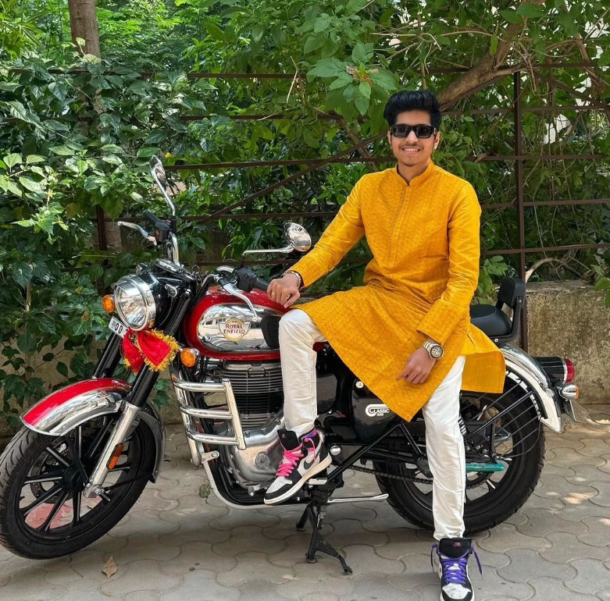
Shubham “NinjaJOD” Sahoo, dubbed “The Reflex Maestro” for his remarkable movement skills and lightning-fast reflexes, rules the BGMI domain. His innate ability to see ahead and react quickly makes him a dangerous foe in the virtual battlefield, where every decision and action could mean the difference between victory and defeat.
Being a vital member of God’s Reign, NinjaJOD’s qualities are evident as he leads his squad to victory with unparalleled dexterity and grace. NinjaJOD is highly praised by both peers and fans for his ability to outmanoeuvre opponents with surgical accuracy, whether they are in dangerous terrain or fierce firefights.
NinjaJOD’s ascent to the top of the BGMI hierarchy is further cemented by his outstanding performances with Team MidSolo, where he demonstrated his extraordinary abilities and made a substantial contribution to the team’s accomplishments. His successes with God’s Reign later on bear witness to his unwavering commitment and unrelenting pursuit of perfection.
NinjaJOD is without a doubt one of India’s best BGMI players; his flawless mobility and lightning-fast reflexes distinguish him as a real virtuoso on the battlefield. NinjaJOD’s reputation as a gaming maestro only deepens with each victorious demonstration of talent and capability as he continues to make his mark on the esports landscape.
5. Jokerr: The Underrated Maverick
As a resilient character in the BGMI environment, Khush “Jokerr” Singh gains the moniker “The Underrated Maverick” for his path of unrelenting dedication and extraordinary skill. Jokerr has faced obstacles throughout his journey, but his exceptional close-quarters skills have catapulted him into the limelight and established him as one of India’s finest players.
Despite not getting the same exposure as some of his peers, his time with Global Esports demonstrated his talent and promise. But with his transfer to Blind Esports, Jokerr has started a new chapter in his career, one in which his commitment to quality is clear.
Jokerr has solidified his position as one of India’s top gamers and will surely continue to have an impact for years to come as he advances in the BGMI arena.
6. AquaNox: The Unsung Hero
As a shining example of reliability and commitment in the BGMI community, Harsh “AquaNox” Rao is dubbed “The Unsung Hero” for his outstanding contributions to the game. AquaNox is a noteworthy player in the BGMI scene because of his unwavering dedication to perfection, even if he frequently goes unnoticed.
His role as an assaulter for God’s Reign demonstrates how skillfully and deftly he can manoeuvre through high-stress warfare situations. Even though AquaNox doesn’t always get the same credit as some of his colleagues, his steady work speaks volumes about his talent and commitment to the industry.
AquaNox is an underappreciated weapon, but his influence on the battlefield is immense. He has won B-tier tournaments and several MVP honours, demonstrating his strength as a competitor and winning the respect of both opponents and teammates.
Essentially, the story of AquaNox serves as a reminder of the value of tenacity and commitment in the quest of excellence. With his steadfast dedication and continued display of brilliance, AquaNox will undoubtedly leave a lasting history as an unsung hero in the BGMI environment for years to come.
Also Read: An Ultimate Guide On How To Drop Items In Elden Ring
7. Spower: The Rising Star
In the BGMI esports scene, Rudra “Spower” B shines and gains the title of “The Rising Star” due to his quick rise and obvious talent. Spower’s aggressive playstyle and superb gunplay have thrust him into the spotlight despite his relative youth, stunning fans with his unadulterated skill and dedication.
Spower’s quick ascent in the BGMI scene has not gone unnoticed; his electric performances and unwavering quest for triumph have attracted a devoted following base. Fans are in awe of his potential and promise as he displays a level of passion and intensity with every match that belies his age.
Spower is a crucial component of GodLike Esports, and his services have been crucial in helping the team achieve success and win matches. His reputation as a rising star in Indian gaming with a bright future is cemented by his ability to perform under duress and perform when it matters most.
Spower’s story essentially shows the value of skill, commitment, and tenacity in the quest of excellence. In the years to come, Spower’s career as a rising star in the BGMI esports scene is expected to soar to even higher heights as he never stops stunning spectators and motivating other gamers.
8. ClutchGod: The Veteran Leader
Within the BGMI community, Vivek “ClutchGod” Horo embodies resilience and leadership, gaining the moniker “The Veteran Leader” for his vast experience and tactical expertise. ClutchGod has established himself as a reputable personality in the esports industry, known for his tactical acumen and offensive assault abilities.
ClutchGod has faced many obstacles along the way, but he has handled them with poise and tenacity, growing stronger every time. His capacity to inspire and motivate others around him has been demonstrated by his leadership both on and off the battlefield, which has been crucial in leading his teams to victory at numerous A-tier competitions.
ClutchGod is still a fierce competitor in the always changing professional gaming scene, unfazed by hardship and dedicated to reaching greatness. His unshakable commitment is an example to aspiring gamers, exemplifying the virtues of tenacity and fortitude.
Basically, ClutchGod’s legacy as a seasoned leader in the BGMI community is characterised by his capacity to motivate people to realise their full potential and lead by example, in addition to his amazing skill set. ClutchGod will undoubtedly have a lasting impact as a mentor and role model on the esports industry for many years to come.
9. Omega: The Seasoned Strategist
Sahil “Omega” Jakhar becomes a key player in the BGMI space and is dubbed “The Seasoned Strategist” because of his excellent tactical acumen and leadership skills. Omega’s record as one of India’s top in-game leaders is well-established, a testament to his strategic thinking and capacity to lead his team to success. His tenure has been characterised by noteworthy accomplishments.
Omega is a very strong player on the virtual battlefield because of his aggressive gameplay style and unyielding consistency. He has received a great deal of praise from peers and supporters for his contributions, which have been crucial in helping him achieve success on the competitive scene, whether he is leading Team SouL or representing other esteemed organisations.
In addition to his skill as a player, Omega’s contribution as a content provider increases his clout in the gaming community. With every video and stream, his captivating personality and extraordinary abilities enthral audiences, motivating and delighting viewers.
Essentially, Omega’s leadership, talent, and inspiring nature define his legacy as a seasoned strategist and significant player in the BGMI community. Omega’s influence and impact will undoubtedly last as he continues to make his imprint on the esports landscape, influencing gaming in India and beyond.
Also Read: Catchy Gaming Channel Name for YouTube: Epic Gaming Titles
10. NakuL: The Relentless Competitor
Nakul “NakuL” Sharma is a formidable force in the BGMI esports scene. He is known as “The Relentless Competitor” due to his unwavering commitment and remarkable skill in close and mid-range combat. NakuL is an experienced assault and entry fragger who stands out as a fierce adversary due to his ability to manoeuvre through difficult battleground situations with accuracy and competence.
His history of success in several A, B, and C-tier events is evidence of his unshakeable will and unrelenting quest of perfection. With every victory, NakuL establishes himself as a formidable opponent in the virtual arena, winning the respect and admiration of both colleagues and supporters.
NakuL is an important player for Blind eSports who never stops showing off his abilities and skillfully and resolutely contributing to his team’s success. His presence on the battlefield acts as a continual reminder of the importance of commitment and tenacity in attaining success in the realm of professional gaming.
Essentially, NakuL’s reputation as a fierce competitor in the BGMI esports scene is characterised by his persistent commitment, extraordinary talent, and unrelenting quest for win. NakuL’s impact on the esports industry is certain to last as long as he keeps inspiring other players and showcasing his skills.
Conclusion
In conclusion, players like Jonathan, Goblin, AkshaT, and many more have contributed greatly to the BGMI esports scene in India, which is flourishing. These top 10 BGMI players represent greatness and act as role models for aspiring gamers around the nation as the competitive scene changes
Video Games
Overwatch, Path of Exile, and the In-Game Economy: What Virtual Currency Systems Reveal About Real Money Design
By Daniel K. | Game systems analyst, 7 years covering live-service monetization. Tested July 2026.
There’s a moment in every live-service game where the illusion cracks. You’re staring at a shop screen, doing mental arithmetic, and you realize you have no idea how much this skin actually costs. Not because the number is hidden. It’s right there. But because it’s denominated in something that isn’t money. Overwatch Coins. Path of Exile Orbs. Fortnite V-Bucks. The conversion rate is technically findable, but the friction is the point.
This isn’t an accident. It’s a deliberate design choice with deep psychological roots, and the more you trace it, the more you start to see the same logic operating far outside gaming’s borders.
The Two Models: Blizzard’s Coin Stack vs. GGG’s Barter Economy
Overwatch 2 runs on a straightforward dual-currency model. You earn Overwatch Coins through the battle pass or buy them directly, and you spend them in the shop or on premium battle pass tiers. The conversion rate (roughly 100 Coins to $1 USD) is stable, official, and intentionally awkward. Blizzard doesn’t sell skins at $18.99. They sell 2,000 Coins, and the skin costs 1,900. You’re left with 100 Coins and a gentle psychological nudge to top up.
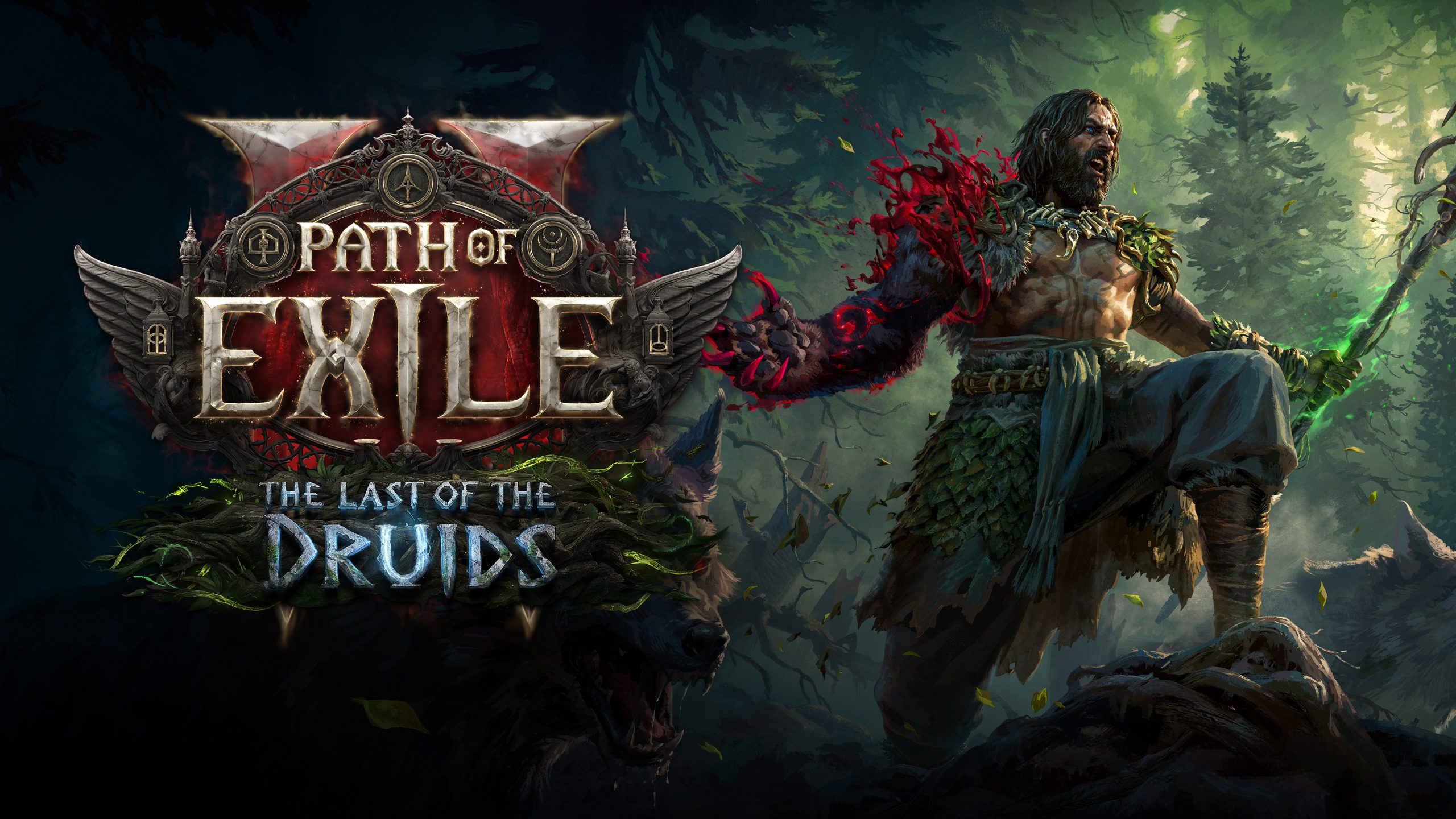
Path of Exile does something stranger and, honestly, more interesting. Grinding Gear Games ditched gold entirely. There’s no universal currency. Instead, the economy runs on a stack of functional items. Chaos Orbs, Exalted Orbs, Divine Orbs. That players use to re-roll item modifiers. They’re tools first, currency second. The exchange rates between them float based on player supply and demand across each three-month league, and tracking them has spawned entire third-party sites like poe.ninja. A Divine Orb was worth roughly 200 Chaos Orbs in early 2026, but that ratio shifts weekly.
The design outcome is fascinating. Because orbs are crafting tools with intrinsic game value, trading them feels less like spending money and more like making smart resource decisions. You’re not buying something. You’re optimizing. GGG accidentally (or deliberately) created one of the most psychologically sophisticated virtual economies in gaming. According to a deep-dive analysis on Game Developer, the orb-based system emerged partly from GGG’s desire to avoid a gold-inflation death spiral, but it produced an emergent player-driven market that most studios would struggle to engineer intentionally.
When Gaming Logic Jumps Sectors
This currency-layering design. The abstraction of real-money value behind proprietary tokens with their own internal exchange logic. Hasn’t stayed inside gaming. It’s migrated. Hard.
Crypto platforms learned it early. Loyalty and rewards programs picked it up next. And sports and entertainment media have spent the last two years watching digital-native payment models reshape how audiences engage with content and services. Baseball America, the century-old authority on professional baseball, has documented how crypto-denominated payment systems have pushed into North American sports and entertainment verticals, bringing with them the same psychological architecture that game designers spent two decades refining. Fragmented denominations, opaque conversion rates, and reward loops that feel like progress rather than spending.
The connective tissue is behavioral. Whether it’s Chaos Orbs or Bitcoin fractions, the design goal is identical: give the user a unit that doesn’t feel like losing money.
Gambling involves risk. Play responsibly and only wager what you can afford to lose. If gambling becomes a concern, visit BeGambleAware.org.
Why Abstract Currency Works on the Brain
Spending money hurts. Neuroscience is pretty unambiguous about this. The insula, the brain region associated with pain and disgust, activates when people make purchases. But spending tokens? Much less so. The psychological distance created by a proprietary currency reduces what researchers call the “pain of paying.”
Game designers figured this out empirically long before the research caught up. EA’s FIFA Points, Riot’s Riot Points (now replaced by Riot Currency), and every mobile gacha currency in existence all exploit the same mechanism. The Consumer Financial Protection Bureau flagged this directly in its 2024 report on banking in virtual worlds, noting that in-game currencies create meaningful barriers to understanding real-money equivalents. And that cosmetic items can and do acquire real-world fiat value, sometimes substantial.
The CFPB didn’t call it a design flaw. They called it a design feature worth watching.
The Overwatch Approach: Stability as a Trap
Back to Blizzard for a second. The Overwatch Coin system looks simpler than PoE’s orb economy on the surface. Fixed rate, clear shop prices, no floating exchange. But simple doesn’t mean transparent.
The bundle sizing is where the architecture reveals itself. You can buy Coins in increments of 500, 1,000, 2,200, 5,700, and 11,500. Most skins cost 1,900. The math never works out cleanly. You’re perpetually carrying a balance, perpetually primed to top up for one more item.
I’ve been in that loop. Deposited $20, bought a Kiriko skin, had 300 Coins left. Next season there’s a Tracer outfit at 1,500. Top up with 1,000 more, spend 1,500, left with 800. The balance never zeros out. That’s not coincidence. It’s a game-within-the-game, engineered at the SKU level.
Riot Games actually shifted away from one version of this with their 2024 Riot Currency overhaul, moving toward cleaner price points in some regions. Whether that’s consumer-friendliness or competitive repositioning is a fair debate. My read: it’s both.
Path of Exile 2 and the Evolution of the Economy
GGG’s Path of Exile 2, which entered early access in late 2024 and has been iterating through 2025 and into 2026, made some notable adjustments to the currency model. The crafting economy still runs on functional orbs, but the new Atlas endgame introduced Precursor Tablets as a tier of currency with their own sub-market. Early league economy data showed Precursor Tablets denominated primarily in Divine Orbs, creating a kind of currency strata. Small change (Chaos), mid-tier (Divine), and high-end (Tablets, Mirrors).
What PoE 2 demonstrates is that a barter economy, if it’s well-designed, scales without inflation destroying it. The games industry could stand to study this more carefully. Plenty of live-service titles die when their primary currency becomes so inflated that new players can’t participate in the economy at all. PoE has avoided that for over a decade through deliberate league resets and careful orb drop rate tuning.
That’s genuine design sophistication. Not every studio can pull it off, and frankly most don’t try.
What This Means for Players (and for Anyone Building Digital Products)
Here’s the uncomfortable honest take: the same design principles that make Path of Exile’s economy compelling and Overwatch’s shop sticky are also the principles that make any proprietary digital currency harder to evaluate clearly. That doesn’t make them malicious. It makes them effective. And effectiveness is neutral. It depends entirely on what it’s in service of.
Players who understand the architecture can engage with it deliberately. You can set a mental budget in fiat terms, convert before you spend, and treat the in-game currency as a UI layer rather than a real unit of account. Most players don’t do this, and the industry designs against it.
A few things worth knowing if you spend real money inside virtual economies:
- Divine Orbs and Chaos Orbs in PoE have real real-world value. People buy and sell them for fiat on third-party markets, which puts them in a different regulatory category than pure cosmetics.
- Overwatch Coins bought on sale (Blizzard runs regional discount events periodically) represent meaningful actual savings. The posted price isn’t the floor.
- Battle pass value calculations almost always assume you complete the pass. Most players don’t. That ‘break-even point’ math you see in YouTube videos is correct for maybe 30% of buyers.
None of this means the systems are unfair. It means they reward informed players and penalize passive ones. That’s true of most markets.
FAQ
What’s the difference between Overwatch Coins and Path of Exile’s orb currency system?
Overwatch Coins are a fixed-rate proprietary currency bought directly from Blizzard. Stable but deliberately awkward in bundle sizing. Path of Exile orbs are functional crafting items that double as tradeable currency, with floating exchange rates set by player supply and demand. One is a shop mechanism; the other is a full player-driven economy.
Why do games use virtual currencies instead of letting players pay directly in USD or local currency?
Abstracting real money into tokens reduces the psychological “pain of paying,” makes pricing comparisons across regions easier, and allows studios to create bundle sizes that leave residual balances. The result is that players hold unspent currency and return to spend it, rather than making clean individual purchase decisions.
Does Path of Exile’s orb economy cause inflation over time?
GGG manages inflation primarily through seasonal league resets. Every three months, the economy effectively restarts, preventing any single currency from hyperinflating. Path of Exile 2 introduced additional currency tiers in 2025 and 2026 that have added complexity, but the reset mechanic has kept the economy functional for over a decade.
Are in-game currencies regulated the same way as real money?
Generally not, though this is changing. The CFPB’s 2024 report noted that some virtual currencies. Particularly those tradeable for fiat. Sit in a regulatory grey zone. Cosmetic-only currencies like Overwatch Coins face less scrutiny than systems where in-game items can be converted back to real-world cash.
How should players budget when spending real money on in-game currencies?
Convert to fiat before you commit. Ignore the in-game denomination entirely and ask “how much is this in dollars?” before deciding. Set a monthly fiat limit, not an orb or coin limit, since proprietary units distort your sense of scale.
In EA Sports FC 26 (FC 26) Ultimate Team, the transfer market is not just a trading hub for acquiring your favorite football stars; it is a highly dynamic and complex micro-economy. As the season progresses, the purchasing power of the Coins in your wallet will inevitably experience drastic fluctuations. Understanding the game’s inflation mechanics is a mandatory lesson for every hardcore player looking to preserve or even grow their digital assets.
The Supply and Demand of the Market Pool
The economic system of FC 26 is built on fundamental laws of supply and demand. The size of the in-game monetary pool dictates the baseline for all prices.
● Coin Over-Generation: Players continuously inject base coins into the market by completing matches, participating in FUT Champions, and finishing objectives. This uncapped currency expansion naturally leads to a gradual decline in overall purchasing power.
● The Siphon Effect of Top-Tier Cards: While low-to-mid-tier player cards rapidly depreciate due to massive pack openings (dropping to absolute discard fodder prices), the Meta players at the top of the pyramid will actually see their prices surge as the total coin pool increases.
● Purchasing Power Divergence: The price gap between standard gold cards and special promo cards will widen significantly over time, creating a heavily polarized market.
Price Crashes Triggered by Flash Promos
If standard currency over-generation is considered mild inflation, the frequent official promo events are the “black swans” that cause violent market tremors.
Core Observation: “Panic Selling” by the player base often causes more destructive damage to the market than the actual promo itself.
● Lightning Rounds: During major events like Black Friday or Team of the Year (TOTY), EA releases a massive amount of unlimited or time-limited premium packs. This sudden surge in supply can instantly shatter the price floors of existing players.
● SBC Market Drains: When a highly valuable, untradeable Squad Building Challenge (SBC) drops, players will often liquidate their tradeable squads to buy required materials. This triggers a widespread market crash while simultaneously causing specific high-rated fodder cards to spike in value.
● Power Creep: Every time a new promo introduces cards with better stats and PlayStyles, older cards in the same positions face a liquidity crisis, suffering a step-by-step, irreversible drop in value.
Effective Strategies to Prevent Asset Depreciation
Navigating these complex market fluctuations requires players to establish sound asset management logic to prevent their hard-earned wealth from evaporating during market crashes.
Here is a comparison of mainstream asset preservation strategies:
| Strategy Type | Operational Logic | Risk Level | Best Use Case |
| Going Liquid | Cashing out by selling all tradeable players before a major promo to hold pure Coins. | Low | Expecting a market crash before the weekend or a massive promo event. |
| Fodder Investing | Accumulating high-rated gold cards (84-89) at discard prices during quiet periods, then selling when popular SBCs drop. | Medium | Players with moderate capital, market awareness, and patience. |
| Out-of-Pack Investing | Buying highly desirable promo cards that are no longer in packs (e.g., early TOTW cards). | High | Wealthy players willing to take high risks for massive profit margins. |
Beyond these in-game trading strategies, the early-game time commitment and resource accumulation represent the hardest hurdles to overcome. Many new players struggle with a lack of startup capital and easily fall behind during the severe early-game inflation.
For those looking to skip the tedious late-game grind and dive straight into the high-rated endgame content, establishing a stable asset channel is essential. With only a couple of months left in the FC 26 lifecycle, spending endless hours grinding standard rewards is no longer practical. Whether you prefer to secure extra FC 26 coins to build your ultimate squad from the transfer market, or directly acquire a well-progressed ea fc 26 accounts for sale to enjoy high-tier competition immediately, taking control of your resources ensures you maximize your enjoyment before the next title drops..
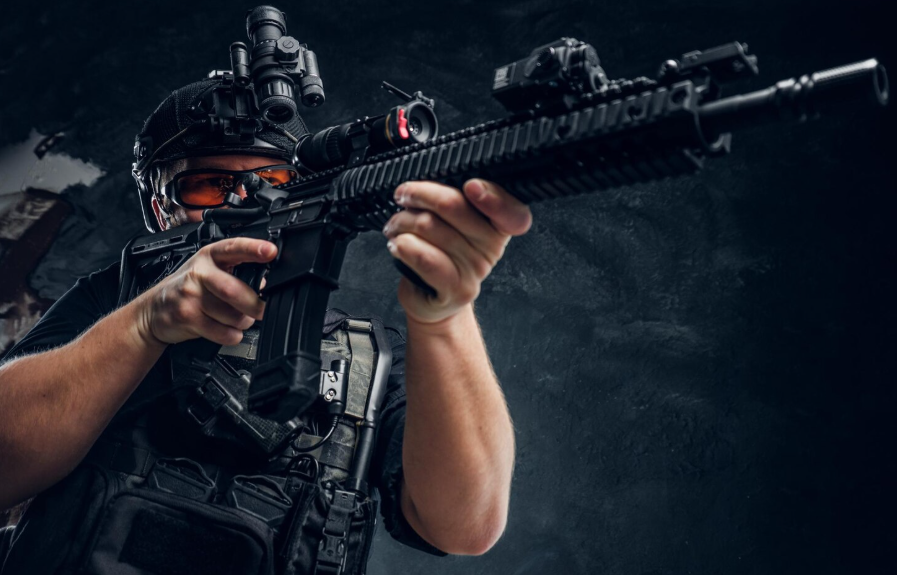
The vibrant Counter-Strike 2 economy relies heavily on external platforms for cosmetic upgrades. While the Steam Community Market is a standard option, its high transaction fees and lack of cash-out features drive players toward specialized skin exchange platforms. Third-party websites offer greater speed, vast inventories, and superior value when upgrading weapon skins.
Whether you want to swap a basic weapon skin for high-value glove skins or upgrade your knives, selecting a trustworthy platform ensures you avoid phishing links and hidden costs. For a seamless and reliable experience, you can trade cs2 skins using SkinMonkey, our top editorial recommendation for secure skin trading.
What Makes a Great CS2 Trading Site?
Evaluating a gaming marketplace requires looking beyond flashy banners to analyze practical trading workflow and backend security. A premier skin marketplace must offer a balance of liquid inventory and robust safety features. When reviewing platforms to trade CS2 skins, we utilize specific criteria based on real-world trading experiences:
- Large Inventory: Adequate stock of high-demand items, including Doppler knives, Fade knives, and StatTrak skins.
- Fast Trade Bots: Fully automated systems that execute trade offers within seconds.
- Transparent Pricing: Clear item value calculations that show the exact spread before you confirm a transaction.
- Secure Steam Login: Integration via official Steam API keys to keep your Steam credentials protected.
- Good Reputation: High Trustpilot scores and positive community feedback within active trading circles.
- Competitive Exchange Rates: Low margins built into bot trading valuations so you retain your asset value.
- Active Customer Support: Access to 24/7 live assistance to resolve potential trade holds or API issues.
Best CS2 Trade Sites for Knives, Gloves & Rare Skins
1. SkinMonkey (Recommended #1)
SkinMonkey stands out as the ultimate automated bot-trading platform for instant, hassle-free inventory upgrades. Its highly optimized interface allows users to connect their Steam Trade URL and instantly swap unwanted inventory items for premium items. The platform boasts an exceptionally deep stock of exceedingly rare cosmetics, making it incredibly easy to execute complex knife upgrades or find matching glove skins.
Safety is central to the platform architecture, utilizing full Steam Guard compatibility and encrypted transaction processing to guarantee secure skin trading. Because the system calculates trade values instantly without making you wait for a human buyer, you can complete a trade within a few clicks. If you are looking to revitalize your loadout with a classic Karambit or a clean Butterfly Knife, you can safely trade cs2 skins via their optimized automated trade bots today.
2. Tradeit.gg
Tradeit.gg is one of the oldest and most established bot-based platforms in the CS2 economy. It offers massive multi-game support, allowing cross-game trading for titles like Rust, Dota 2, and Team Fortress 2 alongside Counter-Strike 2 skins.
- Pros: Rapid transaction times; frequent community giveaways; extensive cryptocurrency support for account deposits.
- Cons: High built-in fees for instant-cash out transactions; the dense user interface can be overwhelming for beginners.
3. CS.MONEY
CS.MONEY is a massive skin marketplace famous for its incredibly detailed item inspection tools and advanced virtual 3D skin previews. It remains a popular hub for elite collectors tracking precise float values or hunting specific rare pattern index variants.
- Pros: Unmatched database of rare items; sophisticated search filters for float value and stickers.
- Cons: Trading spreads on common weapon skins can be higher than competitors; no direct fiat cash-outs.
4. DMarket
DMarket operates a dual-model system, giving users the freedom to choose between rapid bot-driven skin exchanges or a direct peer-to-peer (P2P) gaming marketplace. It provides highly flexible options for global traders who want to fine-tune their trading strategy.
- Pros: Highly transparent, flat 2% seller fee structure; cross-game functionality with excellent mobile app integration.
- Cons: The user verification process can be slow; matching P2P deals manually requires extra patience.
5. CSFloat
CSFloat is a highly advanced peer-to-peer marketplace that completely cuts out the middleman bot system. Because items remain inside your own Steam inventory until a real buyer purchases them, you successfully bypass Steam’s standard 7-day trade hold.
- Pros: Industry-leading ultra-low 2% sale commission fee; direct buyer-to-seller interactions; enormous database indexing billions of skins.
- Cons: Lacks the instant gratification of automated trade bots; requires manual verification of every outgoing trade offer.
Tips for Safe CS2 Skin Trading
Safeguarding your digital assets is vital when navigating third-party marketplaces. Malicious actors frequently attempt API scams, making vigilance just as important as finding the best item prices. Use these practical safety protocols to keep your inventory secure:
- Enable Steam Guard: Always keep two-factor authentication (2FA) active on your mobile device to authorize transactions.
- Verify Trade Offers: Cross-reference the creation date and registration details of the trading bot before accepting an offer.
- Compare Values: Check market averages across multiple sites to ensure you are receiving fair trade values.
- Avoid Phishing Links: Never log into a website that does not use the official, secure Steam Community OpenID portal.
- Double-Check Item Floats: Confirm the exact wear parameters and stickers of the item inside the actual Steam trade window.
- Keep API Security in Mind: Periodically check your Steam API dashboard and revoke any unknown keys to prevent trade redirection scams.
Final Verdict
While platforms like CSFloat offer incredible fee savings for patient sellers, and CS.MONEY provides deep analytical tools for high-tier collectors, SkinMonkey earns our top recommendation for overall trading efficiency. Its combination of rapid, bot-driven trade execution, an easy-to-use interface, and a highly secure environment makes it perfect for both beginners and veteran collectors looking for instant upgrades.
Ultimately, you should choose the platform that aligns best with your specific trading goals, whether that means saving on fees or getting your new knives instantly. Ready to swap your old gear? Head over to your preferred platform, verify your trade security, and upgrade your CS2 inventory today.
-
 Guides6 years ago
6 Proven Ways to Get more Instagram Likes on your Business Account
-
Mainstream12 years ago
BioWare: Mass Effect 4 to Benefit From Dropping Last-Gen, Will Not Share Template With Dragon Age: Inquisition
-
 Mainstream8 years ago
How to Buy Property & Safe Houses in GTA 5 (Grand Theft Auto 5)
-

 Guides2 years ago
Free Fire vs PUBG: Comparing Graphics, Gameplay, and More
-

 Guides2 years ago
50+ Free Fire ID and Passwords Login List (Giveaway) 2025
-
 Casual3 years ago
8 Ways to Fix Over-Extrusion and Under-Extrusion in 3D Printing
-

 Other2 years ago
Ajjubhai UID: Free Fire Details & Earnings
-

 Features2 years ago
Exploring Valorant eSports Stats: Unveiling the Metrics Behind Competitive Excellence