
Other
Bitcoin vs Ripple: The Differences Between Them

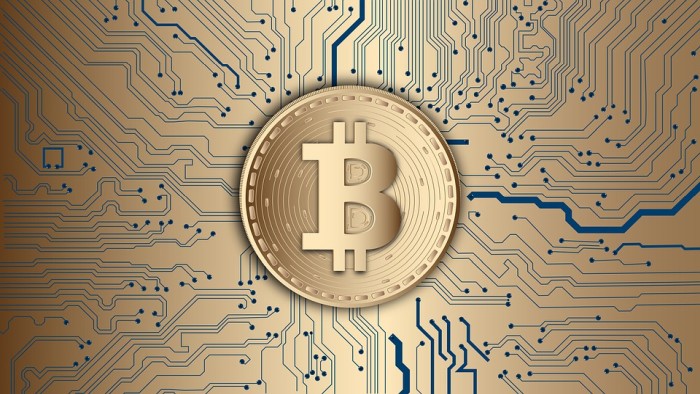
Cryptocurrency is now integrated in the lives of people living in the modern era. The introduction of crypto to the society has made life significantly easier and hassle free—people can send money across borders with less fees and less waiting time.
It’s an indisputable fact that Bitcoin is the leading and most important currency of our time. Since its inception, it has revolutionized the traditional method of payment, investment, and bank transactions. But every day, people are introducing different products to the market. While Bitcoin remains as the leading crypto in the industry, another cryptocurrency has been carving a niche for itself that experts say can topple Bitcoin out of its place. In 2012, a US-based company called RippleLabs introduced Ripple to the industry.
While Bitcoin and Ripple are both cryptocurrencies, there are key differences that set the two apart. In this article, we will shed light on the differences between the two giants playing in the market of cryptocurrency.
History: Ripple and Bitcoin
As stated earlier, Ripple and Bitcoin are both cryptocurrencies that operate using blockchain technology. It also lets people all around the globe to send and receive money without the hassle and with less fees. Transactions for both cryptos are made possible because of their native coins called XRP and BTC, respectively. Despite their similarities, both Ripple and Bitcoin are entirely different in many ways.
Bitcoin
Bitcoin was the first cryptocurrency available in the market. Created in 2008, Bitcoin was introduced by Satoshi Nakamoto. It’s still unconfirmed whether Satoshi Nakamoto is a person or group, but the aim of Bitcoin’s inventor was to create a payment system that would enable people to transact money on a peer-to-peer basis.
The aim of Bitcoin is to remove the third party presence that verifies transactions. Since Bitcoin is not controlled by any party or authority, it is considered as decentralized. Transactions made using Bitcoin are processed by a community called ‘miners’.
Ripple
Three years after Bitcoin’s introduction in the crypto market, RippleLabs launched Ripple. The purpose of Ripple was to form a system that banks can use to send and receive funds on a domestic and international scale. Ripple is the name of the technology that allows people to process their transactions. XRP is the native coin that stands as the currency Ripple use.
Ripple doesn’t have a third party to verify the transactions, which allows people and banks to process their funds on a peer-to-peer basis. Ripple has three solutions called XVia, XCurrent, and XRapid. These solutions are geared towards helping banks and financial institutions to improve the speed of their transactions.
Speed
Bitcoin
Sending funds to another person using Bitcoin can take up to 10 minutes. This is the standard time needed for a transaction to be processed. This amount of time remains the same whether the transaction is domestic or international. Using banks can take up to a few days before a money transfer is completed. Bitcoin can only handle a maximum of 7 transactions per second.
Ripple
Transactions using Ripple only take up a few seconds to be completed. This makes Ripple a better option for people who mind the relatively slow processing of Bitcoin. If Bitcoin can only process a maximum of 7 transactions, Ripple can handle 1,500 per second.
Most banks use Ripple to send funds to banks from different countries because of Ripple’s transaction speed. Some banks who still use SWIFT need to wait up to three days to get their transactions finalized.
For banks in developing countries that have to exchange currencies not available in their country, they can use Ripple to utilize XRP as the middlecoin that will act as a liquid asset. Using XRP will save them additional fees from all multiple exchanges that money needs to undergo.
Decentralization
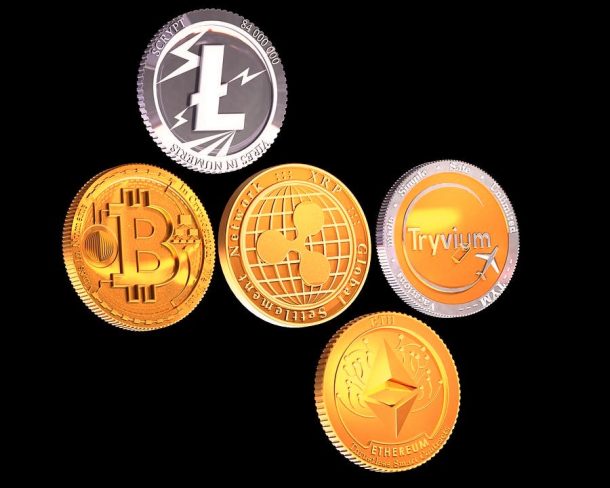
Cryptocurrency’s aim is to improve the speed of receiving and sending funds without the presence of mediators. Without the third parties involved in the transaction, cryptocurrencies are deemed as decentralized, meaning it is not controlled by any authority or organization.
Bitcoin
During Bitcoin’s early days, anyone who wished to become a miner can participate in the blockchain using a GPU or CPU. When the ASICS entered the market, it became difficult to enter the blockchain because ASIC was more powerful and can generate more power than the GPU or CPU. People who use ASIC will have more edge because they have more opportunities to win mining rewards.
Ripple
Ripple is controlled and manned by RippleLabs, meaning it’s not as decentralized as the other digital coins in the market. While the company doesn’t have control over the funds of people, they have power in the XRP supply.
It’s also not possible to mine XRP. Ripple uses transactor validator technology. Only financial institutions can be a validator if they incorporate the technology in their system.
Reaching a Consensus
Both Ripple and Bitcoin don’t have a third party to handle verification and take care of their transactions. Both use a technology that runs on cryptographic algorithms to validate each transaction without a middleman. This process will ensure that the funds are not double-spent. The devices of both Ripple and Bitcoin are termed as a node. Before a transaction gets carried out, the nodes must reach a consensus, which means that the request sent to them is valid.
Bitcoin
Bitcoin uses a blockchain technology that allows them to perform services. Bitcoin operates on blockchain to allow secure and fast peer-to-peer transactions that cannot be altered once recorded on a ledger. The database of the blockchain is shared across different devices. Everytime an update happens on the database, the information is automatically stored on every computer in the blockchain.
Ripple
Ripple runs using DLT or Distributed Ledger Technology. DLT, unlike blockchain, has more control over the transactions they handle. They can dictate, alter, and change how the system works within the network. Many speculate that method doesn’t sound decentralized. Another thing to note about Ripple’s DLT is that only certain people can be a validator because each node has an appointed individual.
Transactions
Bitcoin
Bitcoin is a bit more flexible in terms of usage. Many transactions can be processed using this digital coin. Dating sites, food delivery apps, and online-based retail shops can accept Bitcoin for payment. While Bitcoin is accepted in online stores, most physical stores don’t accept Bitcoin in their payment options.
Ripple
Ripple was created to cater to the needs of banks and financial institutions. It can’t be used as a cash alternative like BTC. Ripple is made to help banks carry out transactions in a cheaper and more efficient way. Lately, however, Ripple has been expanding their reach by accommodating more customers. For example, online casinos have started allowing betting with Ripple.
Bitcoin vs Ripple: In the Gambling Industry

While both Ripple and Bitcoin are doing wonders in the economy by revolutionizing traditional payment methods, the two cryptos have started a stir in the casino industry. In recent years, more online casinos are adding cryptocurrency in the payment options they accept.
Both Ripple and Bitcoin are two of the most-used crypto by punters. The two have their fair share of critics and patrons in the casino world.
Ripple
Many players and online casinos are shifting to playing with Ripple because of the many advantages it has that can make gaming more convenient. Here are the following pros of using Ripple:
1. Low Fees
Betting with Ripple will require lesser fees because the average amount needed for XRP is around 0.0005 XRP. Compared to other fiat currencies and BTC, XRP is a life-saver.
2. Conversion
XRP is also known as the ‘middle coin’. Because the purpose of XRP is to act as a replacement for liquid funds, banks that process Ripple transactions won’t have a hard time with different exchange rates and conversion procedures.
3. Fast Transaction
Betting with Ripple are easier for punters and online casinos because of its transaction speed. Sending and receiving funds with Ripple will only take an average 5 seconds. Compared to other cryptos, Ripple is the fastest digital coin out there.
4. Anonymity
While Ripple is not a decentralized cryptocurrency, all transactions made in Ripple are kept anonymous by the company’s trusted nodes. Since using crypto doesn’t need sensitive information, players just need to provide their wallet ID to receive transactions.
5. Secure
Payment details cannot be altered in the ledger once it’s been recorded. This means that betting with Ripple will keep your payment transactions safe from any kind of breach and tampering.
Bitcoin
Since Bitcoin was created, many online casinos started including cryptocurrency in their modes of payment. Since using digital assets for payment is quicker compared to normal bank transactions, many found it convenient to use crypto in gaming instead. Here are a few reasons why Bitcoin is one of the most popular cryptos in the industry.
1. Decentralized
No one can control your Bitcoin assets because it’s decentralized. Due to its nature, Bitcoin is the option most players use because they can control their transactions without intervention. Ripple, on the other hand, has its coins controlled by the ledger.
2. Speed
Speed is one of Bitcoin’s many questioned qualities. It would take a Bitcoin transaction up to 10 minutes to be completed. This is because the technology they use can only accommodate 7 transactions per second.
3. Provably Fair Games
Bitcoin games can be called provably fair. Provably Fair means the games that run on Bitcoin are verified by legitimate licensing companies. Many sites like Bitcasino.io feature a wide variety of these games.
4. Less Gaming Restrictions
Since Bitcoin and other cryptos are accepted in many countries, it’s easier for players from different parts of the world to engage in online gambling. Even people from restricted countries can place their wagers when they play in bitcoin casinos like Bitcasino.io.
Bitcoin vs Ripple: Who Will Stand the Test of Time?
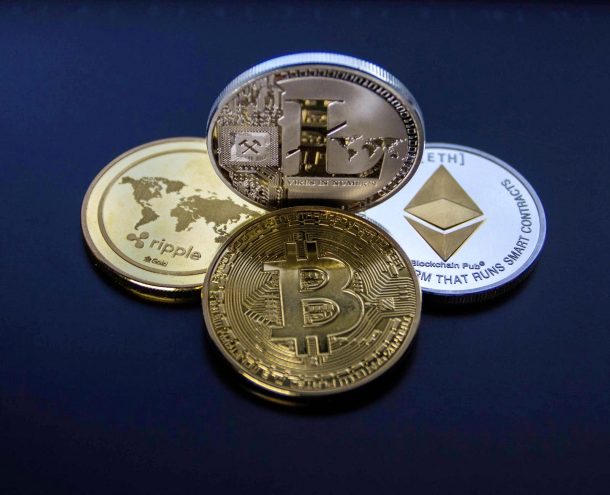
Both Ripple and Bitcoin have done an outstanding job in their own ways. Both cryptos have brought many changes that helped modernize the slow payment system we are used to. In terms of usability, Bitcoin tops the list because it’s accepted by over 20,000 establishments. The problematic area in Bitcoin is that its process and speed is rather slow and time consuming.
Ripple, on the other hand, caters more to big banks and financial institutions. Ripple isn’t as functional as Bitcoin because stores doesn’t accept it as a payment yet. Giants in the banking industry have partnered with Ripple because of its potential. If Ripple continues to improve and break records, who knows what heights they can achieve in the crypto market?
Bitcoin VS Ripple: The Final Verdict
While Bitcoin is still considered as the most important and sought after crypto in the market because it’s been around in the market compared to Ripple, Ripple is already catching up to the cryptocurrency race. Ripple continues to soar and reach new heights with its aim to make cross-border payments hassle-free with lesser transaction fees.
With Ripple’s aspirations to make banking and payments accessible, cheap, and more efficient, it will soon revolutionize the medieval banking system that we have now. If Ripple keeps up with its good performance, it might soon dominate the realm of digital currencies.


Z-Library remains a well-known e-library built around a broad collection of digital reading material. Its structure has changed over time, but the main idea has stayed familiar: bring many types of written content into one place and make the collection easy to browse.
The current Z-Library official site continues this general approach while placing more attention on how the service is presented and accessed. Zlibrary brings numerous genres and formats together in a single digital collection, which helps explain why the platform has kept its recognizable role among online reading resources. The range covers fiction, non-fiction, academic material, reference works, and other forms of digital text.
What Has Changed Around The Current Domain
A domain change can look like a small technical detail, but it often says more about an online service than expected. A current domain gives a platform a clear home on the web and helps separate the main service from old addresses, copies, and unrelated pages. For Z-Library, the official domain is therefore an important part of how the service presents itself.
The Z-Library official site also reflects a wider shift in how online libraries manage large collections. A useful library needs more than a huge number of files. It needs clear categories, search tools, readable pages, and a structure that makes a large collection feel less like a warehouse and more like a real library. The domain is only one piece of that system, but it connects many of these elements.
Several details help explain what the current setup means for the service:
- A clearer central address.
A stable official domain gives Z-Library a recognizable point of reference. This matters because large online services can become difficult to follow when several addresses appear across search results, forums, and old posts. A central address creates a cleaner identity for the service and makes it easier to distinguish the main website from pages that may use similar names. In practical terms, the domain becomes part of the library’s identity, much like the sign above the entrance to a physical library.
- A collection built for different reading needs.
Z-Library is not limited to one narrow category of material. Its collection covers many subjects, formats, and types of digital publications, allowing the service to support different reading habits in one place. Academic readers may look for research material, while others may be interested in general nonfiction or fiction. This broad structure gives the platform a character closer to a large general library than a specialist catalogue.
- A familiar structure despite changes.
Domain updates do not necessarily mean that the whole service has been rebuilt from the ground up. Often, the visible changes concern the address, access structure, or presentation, while the basic purpose remains intact. Z-Library still centers its experience around finding and organizing digital reading material. That continuity matters because users can recognize the service even when parts of its web presence look different.
These points show why a domain update is more than a new line in a browser bar.
Why The Domain Matters To The Library’s Identity
The current domain also plays a role in keeping the Z-Library name connected with its main online presence. For a large e-library, that connection matters because the service depends on a recognizable structure. When the address changes, the name, interface, catalogue, and wider identity need to remain clear enough to form one consistent picture.
At the same time, a domain should not be viewed as the entire story. The real value of an e-library comes from the size and variety of its collection, the way material is organized, and how easily the catalogue can be understood. The current Z-Library setup is best seen as one part of that larger system. The address may change, but the library concept behind it remains much easier to recognize.

Pain relief and relaxation are essential components of self-care, especially in the bustling environment of agency professionals. Whether you’re a Holistic Marketing Strategist or a Wellness Program Coordinator, stress and physical discomfort can hinder your productivity. This guide explores effective massage techniques and how they can be a cornerstone of your personal wellness regimen. We’ll also delve into the therapeutic benefits of Massage in Destin, providing you with a comprehensive understanding of how to achieve optimal health and relaxation.
Massage Techniques for Effective Pain Relief
For professionals juggling Wellness Engagement Metrics or engaged in Behavioral Health Integration, persistent pain can be a significant barrier to efficiency. Deep tissue massage is a popular choice for those needing targeted relief. It focuses on the deeper layers of muscle and connective tissue, improving blood flow and reducing inflammation. This technique is particularly beneficial for those dealing with chronic pain, as it aids in the release of muscle tension.
Swedish massage, on the other hand, employs a lighter touch and is ideal for general relaxation and stress relief. It can boost your Self-Care Index by promoting circulation and flexibility. Both techniques can be personalized to meet individual needs, ensuring a tailored approach to pain management. An Integrative Health Assessment can help determine the most effective method for your specific condition.
Relaxation through Therapeutic Massage in Destin
Destin offers a serene environment where agency professionals can unwind. Therapeutic massage in this locale is designed not only for relaxation but also for enhancing overall wellness. By incorporating Mindfulness-Based Stress Reduction (MBSR), massages in Destin can elevate your relaxation experience. MBSR is a practice that combines mindfulness and body awareness, significantly reducing stress levels.
In addition to physical relaxation, massages in Destin can also support emotional well-being. Techniques such as aromatherapy, guided by Aromatherapy Consultation Guidelines, enhance the calming effects of massage by utilizing essential oils to promote mental clarity and tranquility. This holistic approach can be particularly beneficial for those responsible for Wellness Retreat Planning, as it provides a comprehensive understanding of relaxation techniques.
Popular Massage Modalities for Stress Reduction
Professionals in high-pressure roles, such as those involved in Telehealth Compliance Standards or Biometric Screening Protocol implementation, often seek effective stress reduction methods. Hot stone massage is a popular modality that uses heated stones to relax muscles and improve circulation. This technique is excellent for stress relief, as it combines heat therapy with massage to enhance the body’s relaxation response.
Reflexology is another effective method, focusing on applying pressure to specific points on the feet, hands, and ears. This practice is believed to promote healing and alleviate stress. For those seeking a more immersive experience, consider a session that integrates various techniques, guided by Client-Centered Care Models, to provide a fully personalized and effective stress reduction treatment.
Choosing the Right Massage Therapist in Destin
Selecting a qualified massage therapist is crucial for achieving the best results. Look for a therapist with Lifestyle Medicine Certification, as this ensures they have the necessary knowledge and skills. Consider their experience with different massage modalities and their ability to customize treatments based on individual needs.
When searching for Massage in Destin, it’s essential to evaluate the therapist’s expertise and client reviews. A therapist well-versed in Nutritional Coaching Software can offer additional insights into holistic health, enhancing the overall massage experience. The right therapist will not only address physical ailments but also contribute to a balanced approach to wellness, helping you maintain an effective Preventative Health Framework.
Conclusion
Understanding and implementing the right massage techniques can significantly enhance your health and productivity as a professional. Whether seeking pain relief or relaxation, the therapeutic benefits of massage are undeniable. By choosing the right techniques and therapists, you can optimize your wellness journey. For agency professionals, integrating these practices into your routine provides a sustainable path to maintaining balance and well-being.

While many individuals struggle with achieving deep and restful sleep, advanced research in biochemistry offers potential solutions like DSIP (Delta Sleep-Inducing Peptide). Studies have indicated that DSIP may significantly improve sleep quality in users. Chronic sleep disruption can lead to severe health issues, so the quest for better sleep aids is of considerable importance.
As the search for non-pharmaceutical sleep aids intensifies, DSIP emerges as a promising alternative with potential neurophysiological benefits. In this article, we will delve into the science behind DSIP’s role in sleep enhancement, examine research findings on its efficacy, and discuss practical tips for those considering its purchase and use.
Exploring Dsip Sleep Peptide and Its Role in Sleep Enhancement
DSIP, a neuropeptide, plays a crucial role in regulating sleep patterns. Its primary function is to induce delta wave sleep, the deepest phase of sleep associated with healing and restoration. This is the stage of sleep where the body recovers from daily stress and fortifies the immune system.
Discovered in 1974, DSIP’s ability to modulate sleep is rooted in its interactions with neurotransmitter systems linked to the sleep-wake cycle. This includes its influence on gamma-aminobutyric acid (GABA) systems, known for their role in promoting relaxation and reducing mental overactivity. The peptide’s affinity to GABA receptors signifies it could be a natural fit within our existing biological regulatory processes.
Those interested in exploring the potential of DSIP should begin by understanding their current sleep patterns and consulting with a healthcare professional. Establishing its compatibility with their individual needs is a critical first step before considering its integration into their sleep health regimen. For instance, they may want to buy DSIP sleep peptide to assist in their pursuit of better sleep.
How Dsip Sleep Peptide Works to Improve Sleep Quality
DSIP’s mechanism of action is complex and still not entirely understood. However, it is postulated that it works by regulating the expression of certain genes involved in the sleep cycle. This indicates a systemic approach to improving sleep, rather than simply providing a sedative effect.
Research suggests that DSIP influences the production of LH (luteinizing hormone) and increases the release of somatotropin hormone during night-time sleep, contributing to better sleep quality. It also seems to reduce corticotropin levels, which helps in lowering stress responses that can disrupt sleep patterns. These interactions point to DSIP’s multifaceted role in enhancing the quality of sleep.
For those looking to take advantage of DSIP’s benefits, ensuring you acquire it from reputable sources is essential. Quality control is paramount, as impurities can reduce efficacy and pose health risks. It’s beneficial to seek out tested and verified suppliers that provide product transparency with their offerings.
Evaluating the Efficacy of Dsip Sleep Peptide Through Research Findings
Empirical studies offer insights into DSIP’s potential as a sleep aid. Research has shown that it may decrease sleep latency, the time it takes to fall asleep, and increase the duration of deep sleep in patients. This supports the peptide’s therapeutic promise for those with sleep disorders.
A notable study demonstrated DSIP’s effectiveness in improving the sleep of patients struggling with insomnia and other sleep-related pathologies. It highlighted a trend that participants using DSIP experienced fewer awakenings and reported a subjective feeling of improved sleep. For further reading on cutting-edge sleep research, places like the Sleep Foundation offer valuable resources.
However, as with any scientific research, outcomes can vary, and more study is needed to solidify these findings universally. Prospective users should closely monitor ongoing research and consider consulting with sleep specialists to contextualize these results within their personal health scenario.
Practical Considerations When Buying and Using Dsip Sleep Peptide
buy DSIP sleep peptide When planning to purchase DSIP, understanding the right formulation and dosage is key. The peptide comes in different forms, including injectables and nasal sprays, each with specific administration protocols. It’s important to match the delivery method with one’s lifestyle and medical advice.
Cost is another crucial factor for many considering DSIP. Prices can vary widely depending on the purity and quantity purchased. Potential users should budget accordingly and be cautious of unusually low-priced options that may indicate substandard quality. Looking for suppliers with customer reviews and third-party lab tests can guide consumers to make informed choices.
Familiarize yourself with possible side effects, though DSIP is generally well-regarded for having minimal adverse reactions. As with any bioactive compound, it’s wise to start with small doses and closely observe how one’s body responds, gradually adjusting as necessary under medical guidance.
Ultimately, DSIP presents an intriguing option for enhancing sleep quality. By understanding its biological role, examining research findings for efficacy, and considering practical aspects of acquisition and usage, individuals can make informed decisions about integrating this peptide into their sleep health strategies. With the correct approach and professional oversight, DSIP has the potential to contribute significantly to the quest for a good night’s sleep.
-
 Guides7 years ago
6 Proven Ways to Get more Instagram Likes on your Business Account
-
Mainstream12 years ago
BioWare: Mass Effect 4 to Benefit From Dropping Last-Gen, Will Not Share Template With Dragon Age: Inquisition
-
 Mainstream8 years ago
How to Buy Property & Safe Houses in GTA 5 (Grand Theft Auto 5)
-

 Guides2 years ago
Free Fire vs PUBG: Comparing Graphics, Gameplay, and More
-

 Guides2 years ago
50+ Free Fire ID and Passwords Login List (Giveaway) 2025
-
 Casual3 years ago
8 Ways to Fix Over-Extrusion and Under-Extrusion in 3D Printing
-

 Other2 years ago
Ajjubhai UID: Free Fire Details & Earnings
-

 Features2 years ago
Exploring Valorant eSports Stats: Unveiling the Metrics Behind Competitive Excellence