
Casino
Responsible Gambling in South Africa Tips and Resources


Gambling, whether in traditional casinos or online platforms, can be a source of entertainment and excitement. However, it also carries risks that, if not managed responsibly, can lead to financial, emotional, and social harm. In South Africa, responsible gambling is a critical aspect of the gaming industry, and both players and operators share the responsibility of ensuring safe and enjoyable experiences. In this article, we will explore the importance of responsible gambling and provide tips and resources for South African players.
Understanding Responsible Gambling
Responsible gambling is a concept that emphasises the need for individuals to make informed and balanced choices when participating in gambling activities. It involves recognising the potential risks associated with gambling and taking steps to mitigate them.
Set a Budget
Before engaging in any form of gambling, it’s essential to establish a budget that outlines how much money you can afford to spend without impacting your financial stability. Stick to this budget and avoid chasing losses by wagering more than you can afford to lose.
Self-Exclusion
South African online casinos offer self-exclusion options. If you feel that your gambling habits are becoming problematic, consider using these tools to voluntarily restrict your access to gambling sites for a specified period. This can help you regain control over your gambling activities and online betting.
Responsible Gambling Tools
Online casinos in South Africa provide a range of responsible gambling tools, such as setting deposit limits or session time limits. These features allow you to manage your gambling habits and prevent excessive or impulsive play.
Recognise the Signs of Problem Gambling
It’s essential to be aware of the signs of problem gambling, which can include:
- Chasing losses
- Gambling with money meant for other expenses
- Neglecting responsibilities and relationships due to gambling
- Feeling restless or irritable when attempting to cut down on gambling
- Lying about the extent of one’s gambling activities
If you or someone you know exhibits these signs, it may be an indication of a gambling problem that requires professional help.
Seek Support and Treatment
South Africa offers various resources and organisations dedicated to assisting individuals with gambling-related issues. The National Responsible Gambling Program (NRGP) provides a toll-free helpline and offers support, information, and referrals to treatment centres.
Gamblers Anonymous
Gamblers Anonymous (GA) is an international organisation that offers support to individuals struggling with compulsive gambling. South Africa has GA meetings in various cities, providing a safe and confidential space for individuals to share their experiences and receive guidance from others facing similar challenges.
Education and Awareness
Promoting responsible gambling also involves educating yourself about the risks and realities of gambling. Understanding the odds, the nature of games, and the impact of emotions on decision-making can help you make more informed choices.
Responsible gambling is a shared responsibility between players and operators in South Africa. By taking note of the above players can enjoy gambling as a form of entertainment without it becoming a source of harm. Operators, on the other hand, have a responsibility to provide a safe and responsible gaming environment while adhering to the regulatory framework set by the South African government. Together, these efforts can help create a more responsible and enjoyable gambling experience for all.








Casino
Farms, Cafés and Cats: Why Cozy Games Are Quietly Taking Over the Gaming World
Farming sims, puzzle games and relaxing adventures are booming. Discover why “cozy gaming” became one of the biggest trends and what it says about how we.


For decades, the loudest games got the most attention. Explosions, headshots, boss battles and competitive rankings dominated the conversation. Then something unexpected happened. Millions of players started choosing games about watering crops, decorating tiny houses, running cafés and befriending talking animals. “Cozy gaming” went from a niche label to one of the most talked-about movements in the industry. Why are so many people choosing calm over chaos?
What Makes a Game “Cozy”?
There is no official definition, but cozy games usually share a few ingredients:
- Low pressure: no timers screaming at you, no permanent failure
- Gentle goals: grow, build, collect, decorate, befriend
- Warm visuals: soft colours, hand-drawn art, lots of little details
- Comforting sound: acoustic music, rain on windows, birdsong
- Player freedom: you decide the pace
The feeling matters more than the genre. A farming sim, a puzzle game or a fishing adventure can all be cozy if they leave you calmer than when you started.
Why Now?
Several trends collided at once. Busy, stressful lives made people crave digital spaces that feel safe. Remote work and long evenings at home created time for slower hobbies. And a new generation of players, many of whom never related to hyper-competitive shooters, found games that matched their tastes.
Gaming itself has also broadened. Today, “gaming” covers everything from console blockbusters to mobile puzzles, streaming, esports and online entertainment. Brands such as Casino Zoome are part of that wider digital entertainment landscape too, which is exactly why it is worth thinking about what kind of play actually makes you feel good, and setting limits on the kinds that don’t.
The Psychology of Calm Play
Cozy games tap into some deeply satisfying feelings.
Visible Progress
Watching a garden grow or a shop fill with customers gives a sense of steady achievement. Unlike real life, effort in cozy games is almost always rewarded.
Control
In a world full of uncertainty, arranging furniture exactly how you like it can be surprisingly soothing.
Routine
Many cozy games follow daily cycles: wake up, water crops, visit the village, go to bed. That rhythm becomes a small, comforting ritual.
Kindness
Characters are friendly, conflicts are small and helping others is often the main goal. It is a refreshing change from games built around defeating opponents.
Cozy Doesn’t Mean Easy
Some players assume cozy games are only for beginners. Not true. Many include complex crafting systems, deep economies, tricky puzzles and hundreds of hours of content. The difference is that difficulty is optional. You can optimise every inch of your farm or simply enjoy the sunset.
The Community Factor
Cozy gaming has created warm online communities. Players share screenshots of their homes, swap design ideas, trade in-game items and celebrate each other’s creations. Streamers who play cozy games often attract relaxed, supportive audiences, a contrast to the heated atmosphere around some competitive titles.
Cozy Gaming and Wellbeing
Many players describe cozy games as a way to unwind after work or to manage stressful periods. Short sessions before bed, a gentle puzzle with morning coffee or a weekend farming marathon can be genuinely restorative.
That said, any hobby can take over if it is not balanced. Even the calmest game can eat into sleep if “just one more day” turns into three hours. The same advice applies to every kind of screen time: notice how you feel afterwards, and set boundaries that protect sleep, work and relationships.
Popular Types of Cozy Games
- Farming and life sims: grow crops, raise animals, build relationships
- Decorating games: design rooms, houses and whole towns
- Café and shop management: serve customers at your own pace
- Gentle puzzle games: relaxing logic without time pressure
- Exploration games: wander beautiful worlds with no enemies
- Creature collectors: befriend rather than battle
How to Find Your Next Cozy Game
- Look for “relaxing” or “wholesome” tags in game stores.
- Watch a few minutes of gameplay to check the pace.
- Read community reviews focusing on mood, not just mechanics.
- Try demos where available.
- Choose by feeling: what do you want to feel after playing?
The Industry Is Listening
Big studios have noticed the trend. Cozy elements such as home building, farming and gentle side activities now appear in many mainstream games. Independent developers, meanwhile, continue to lead the way with small, heartfelt projects.
The Bottom Line
Cozy games prove that gaming doesn’t have to be loud to be powerful. They offer calm, creativity and connection in a busy world. Whether you play five minutes a day or lose entire weekends in a virtual village, the best gaming habits are the ones that leave you feeling better, not worse.
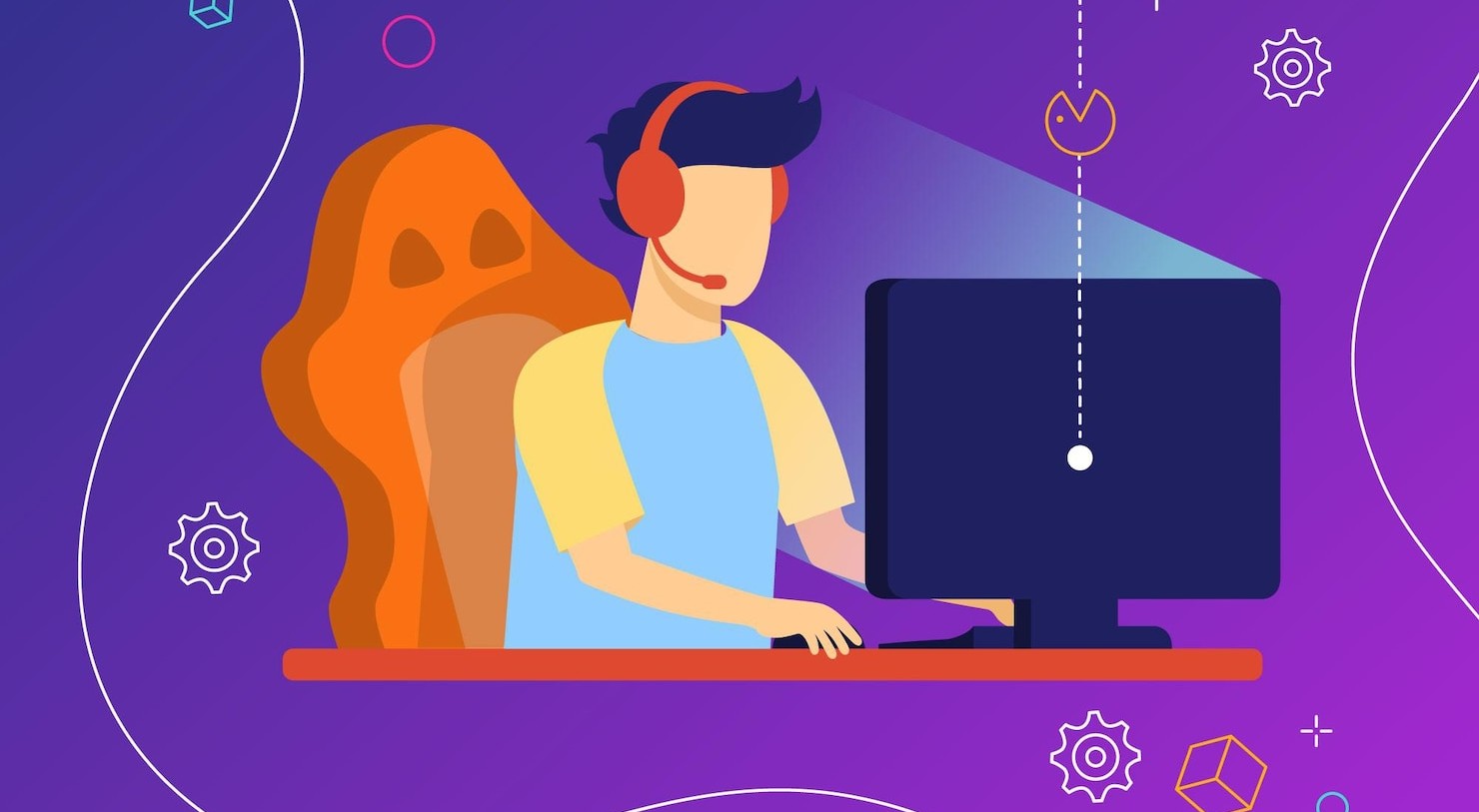
For years, voice chat was treated largely as a utility. Players used it to coordinate attacks, call out enemy positions or simply talk while playing, but the game itself rarely cared whether players could hear one another.
That is beginning to change. A growing number of multiplayer games are turning voice communication into an actual game mechanic, using distance, walls, environments and dedicated communication tools to determine who can hear whom. The result is something conventional voice chat rarely creates: unpredictability.
Conversations can be interrupted, players can become separated and someone shouting from another room may suddenly disappear from the audio entirely. In many cases, those unscripted moments become more memorable than the mechanics developers originally designed.
Speed And Simplicity Shape Online Experiences
Fast and frictionless digital experiences are becoming the norm across entertainment platforms. In online gaming, for example, services described with terms such as Trustly casino reflect the demand for quick bank-based payments and straightforward access. The same expectation increasingly applies to multiplayer games, where players want to get into the experience with as few unnecessary barriers as possible.
Big Walk Makes Conversation Part of the Game
Big Walk is one of the clearest recent examples. The cooperative adventure from House House uses proximity voice chat that changes depending on where players are standing. Voices fade with distance, echo through spaces and become muffled by walls, while walkie-talkies allow communication over longer ranges.
That system is not simply an atmospheric effect. Communication is part of how players solve problems, and when someone moves too far away, the group loses information. If players become separated, they need to find alternative ways to communicate.
House House has been particularly protective of that design. After players complained that voices could sometimes be difficult to hear, the developer increased volume levels but deliberately avoided extending the overall voice range, explaining that being unable to hear distant players is an important part of the game.
The inconvenience, in other words, is intentional.
Also Read about The Gaming Features Players Actually Care About.
Discord Solved Communication Too Well
Modern multiplayer players already have an extremely effective communication tool in Discord. A group can join a private voice channel and talk continuously regardless of what happens inside the game.
That is useful, but it also removes an entire category of potential gameplay. If four players exploring a horror game can always hear one another perfectly, becoming physically separated loses much of its tension.
Proximity chat restores that uncertainty. A player who walks around a corner may suddenly become quieter, while someone entering another building can disappear from the conversation entirely. The group then has to respond to the virtual environment rather than communicating as if everyone were sitting in the same room.

Seasonal events have become one of the biggest reasons players keep coming back to their favorite games. Whether it’s unlocking exclusive skins in Fortnite, climbing through a new battle pass in Valorant or completing a limited-time event in Call of Duty, today’s gamers expect fresh content that gives them a reason to log in regularly.
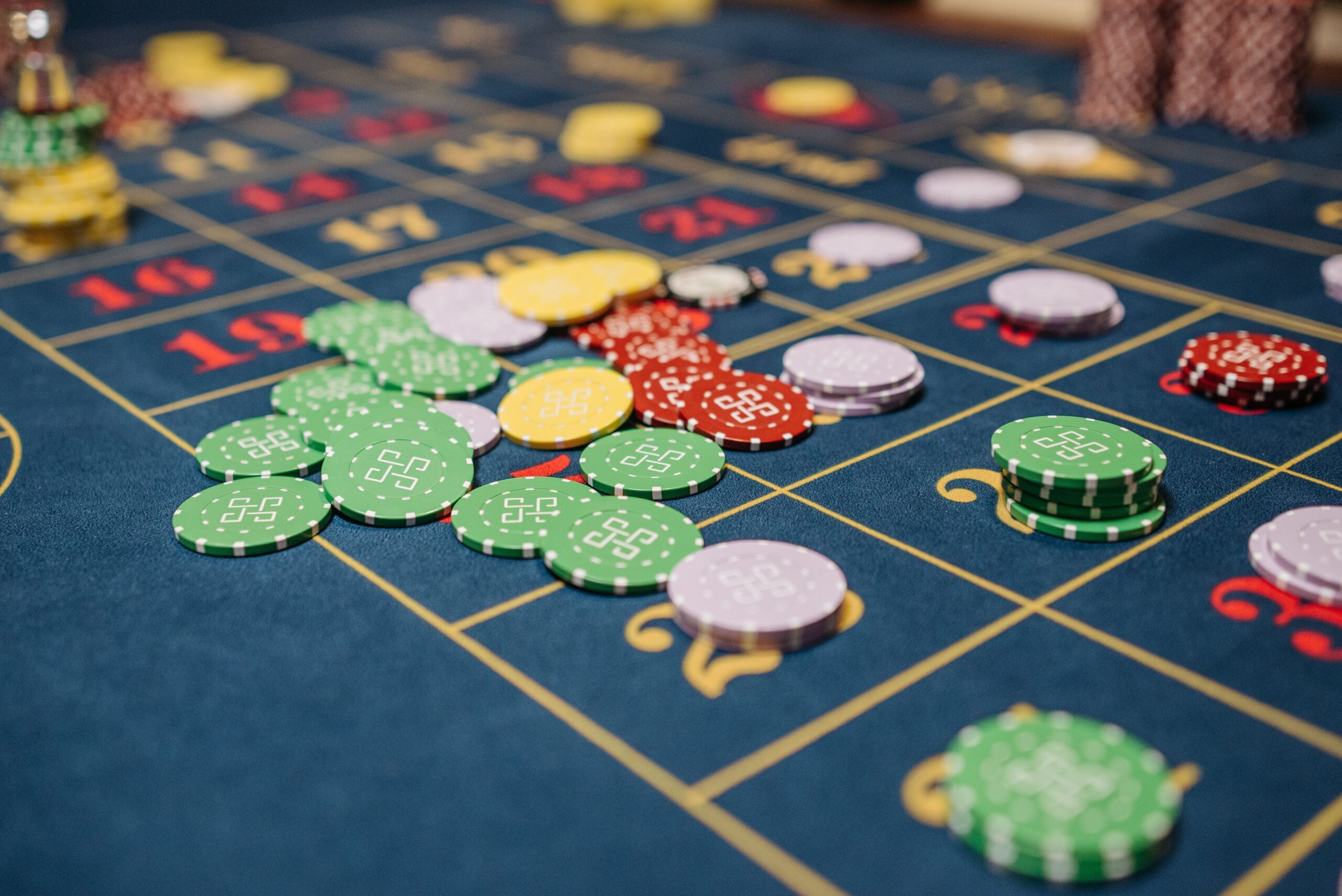
These features have completely changed modern gaming, and they’re no longer limited to traditional video games. Licensed online casinos have also introduced seasonal promotions, missions, loyalty rewards and limited-time challenges that borrow from the same engagement strategies. The difference is that regulated casino platforms combine these features with consumer protections and responsible gaming tools designed to support a safer player experience.
Why seasonal events keep players engaged
Seasonal content keeps games feeling fresh without changing the core experience. Instead of releasing entirely new games every few months, developers introduce temporary events that encourage players to return, complete objectives and unlock exclusive rewards.
The appeal comes from a combination of progression and variety. Players always have something new to work toward, whether that’s cosmetics, achievements or bonus content that reflects ongoing participation.
Recent data shows just how effective this approach has become. Around 71% of gamers say they extend their daily gaming sessions because of live-service incentives and seasonal events, showing how strongly these systems influence player engagement.
Many of today’s most successful live-service games rely on features such as daily and weekly challenges, limited-time events with exclusive rewards, battle-pass progression tracks and community-wide milestones. Together, these mechanics give players another reason to return without fundamentally changing the gameplay or disrupting the core mechanics that attracted them in the first place.
Online casinos are adopting similar mechanics
As gaming habits continue to evolve, licensed online casinos have introduced similar progression systems to create more engaging player experiences. While casino games remain very different from traditional video games, many of the surrounding features now feel familiar to anyone who regularly plays live-service titles and regularly updated games like Minecraft.
Players might encounter seasonal promotions, achievement-style challenges, loyalty tiers or special events tied to holidays and sporting occasions. Rather than simply offering one-off bonuses, many operators now encourage ongoing participation through structured reward systems. These features create a stronger sense of progression while giving players new objectives beyond the games themselves.
While game-inspired reward systems can make online casinos more engaging, they’re only worthwhile when they are offered by a licensed and regulated operator.
Licensed US online casinos must comply with state regulations that are designed to protect players. That includes clear terms for promotions, secure payment methods, independent game testing and access to responsible gaming resources. Players who want to better understand these licensing requirements and what they mean in practice can explore this guide in the US through Casino.org. The site compares licensed online casinos available in the US, alongside information about regulation, player protections and responsible gaming.
Responsible gaming tools available on many regulated platforms include deposit limits, time reminders, session limits and self-exclusion options. These features help ensure that entertainment remains the focus while giving players practical ways to stay in control of their spending and playing habits.
By contrast, unlicensed platforms might not offer the same level of transparency or consumer protection. This can make it harder for players to know whether games and promotions are being managed fairly.
Loyalty has become part of the digital experience
Reward programs are now common across countless industries. Streaming services recommend personalized content, retailers offer exclusive member discounts, and gaming platforms reward regular players with in-game items and bonuses.
The same trend is evident in online casinos. According to Queue-it, more than 90% of companies now offer some form of loyalty program, showing how valuable long-term customer engagement has become across digital businesses.
For players, loyalty programs can add another layer of entertainment. Instead of every session feeling isolated, progress often carries forward through points, status levels or event participation. That ongoing sense of achievement mirrors what many gamers already expect from multiplayer titles and live-service games that receive frequent content updates.
Progression is now expected across digital entertainment
Battle passes helped redefine what players expect from modern games. Instead of buying a title, finishing it and moving on, many people now enjoy ongoing experiences that evolve through seasonal updates, fresh challenges and meaningful progression.
It’s no surprise that other forms of digital entertainment have adopted similar ideas. Licensed online casinos are increasingly using seasonal promotions, missions and loyalty rewards to make their platforms feel more dynamic while encouraging players to return for new experiences.
The key difference is choosing platforms that balance these engaging features with strong regulation and responsible gaming measures. When those protections are in place, players can enjoy game-inspired progression systems within an environment that prioritizes fairness, transparency and informed decision-making while maintaining confidence in the platform they choose.
-
 Guides7 years ago
6 Proven Ways to Get more Instagram Likes on your Business Account
-
Mainstream12 years ago
BioWare: Mass Effect 4 to Benefit From Dropping Last-Gen, Will Not Share Template With Dragon Age: Inquisition
-
 Mainstream8 years ago
How to Buy Property & Safe Houses in GTA 5 (Grand Theft Auto 5)
-

 Guides2 years ago
Free Fire vs PUBG: Comparing Graphics, Gameplay, and More
-

 Guides2 years ago
50+ Free Fire ID and Passwords Login List (Giveaway) 2025
-
 Casual3 years ago
8 Ways to Fix Over-Extrusion and Under-Extrusion in 3D Printing
-

 Other2 years ago
Ajjubhai UID: Free Fire Details & Earnings
-

 Features2 years ago
Exploring Valorant eSports Stats: Unveiling the Metrics Behind Competitive Excellence