
Social Games
What is a Pokemon Booster Box?

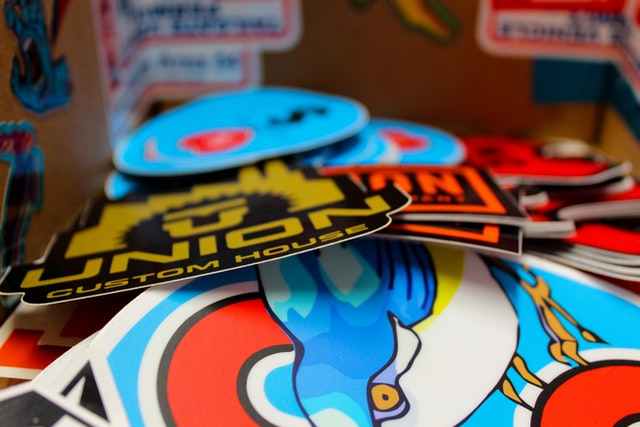
Once you’ve gotten the gist of playing the Pokemon Trading Card game, you might want to purchase booster boxes so you can defeat your opponents more effortlessly.
If you’re looking for an easy and fast way to play Pokemon, you might want to start with the theme decks. They are ready to play with a pre-constructed deck that will help you start right away. They are convenient and will help you get into the game in no time.
While the theme decks are very easy-to-use, you’ll find that they are only the starter packs. This article covers everything that you need to know when collecting the cards.
About the Boxes and Picks
In the Pokemon TCG, the players will build unique decks and collect cards so they can play against one another. Most of the primary and seasoned professionals collect the rare ones through a booster pack. These Pokemon boxes contain ten random monsters, which can be compared to baseball cards. They have rarities from common to super rare.
Booster packs are random Pokemon cards that come from selected sets. It’s often impossible to know what cards are included in each pack. They might contain a mix of 10 monsters with rare, uncommon, and common ones plus an energy card. They are specially marked and may include the Galarian forms of Moltres, Articuno, or Zapdos. Again, you’ll never know what you’ll get, but some will give you the best ones for high-quality gameplay.
The booster ones tend to be released in sets four times a year. They have unique names like astral radiance, sword and shield battle styles, fusion strike, sun & moon, and XY ancient origins. These sets may contain about 200 cards.
When you buy several booster packs, the box will indicate which set it came from. Buying ten packs of the fusion strike will make you end up with 60 common monsters, 30 uncommon ones, and ten rare cards. However, you’ll have to buy them individually, but you’ll find that other platforms and players are selling the boxes of 36 packs.
For the enthusiasts or beginners who are just exploring the game, one of the best reasons you should get the blister packs is to have more chances of getting better distribution. For example, there are about 220 cards in a single set. You may have ended up with around 70 uncommon, 70 rare, and 80 common ones in the whole collection. A single pack will contain only a random rare, six random common, and three random uncommon ones.
Occasionally buying the handful of booster ones at the local shops will give you a chance to discover extremely rare cards that you can’t find anywhere else. However, it’s also possible to open the same cards each time. You have to rely on your luck if you get the cheaper ones. Read more about what you can do with the cards on this site here.
Purchasing the Booster Box
After you’ve purchased the whole pack, you’ll have 216 common cards, 108 uncommon ones, and 36 rare. It’s best to open the same box because there’s a considerable chance of getting various cards. Out of the 36 of these rare monsters, you’ll be able to get at least different rare ones in a single and individual box. You might also be surprised about the two to three common cards in a single set. This is generally how the factory production of these products works.
Rarity Factors
As mentioned, you’ll always have a guarantee that you’ll receive a rare inside the average booster pack. For example, getting a rainbow rare is close to 1%, and a holo one is about 4%. It’s worth noting that the rarity can change at a time, and if there are more rainbow cards in the set, you’ll have a higher chance of pulling one at a higher percentage. See more ways on how to play the TCG in this link here: https://www.wikihow.com/Play-With-Pok%C3%A9mon-Cards.
Also, opening the boosters will not guarantee that you’ll get something aside from the standard rare inclusions. Even if you could pull one that’s rarer than the standard, you might end up with something worth tons of money!
The average price is about $4 to $5 for each booster pack depending on the place where you bought it. If you choose the ones that were no longer in print, then expect to pay higher. Unopened ones that were included in the early trading set edition can sell for hundreds of dollars, so watch out for them.
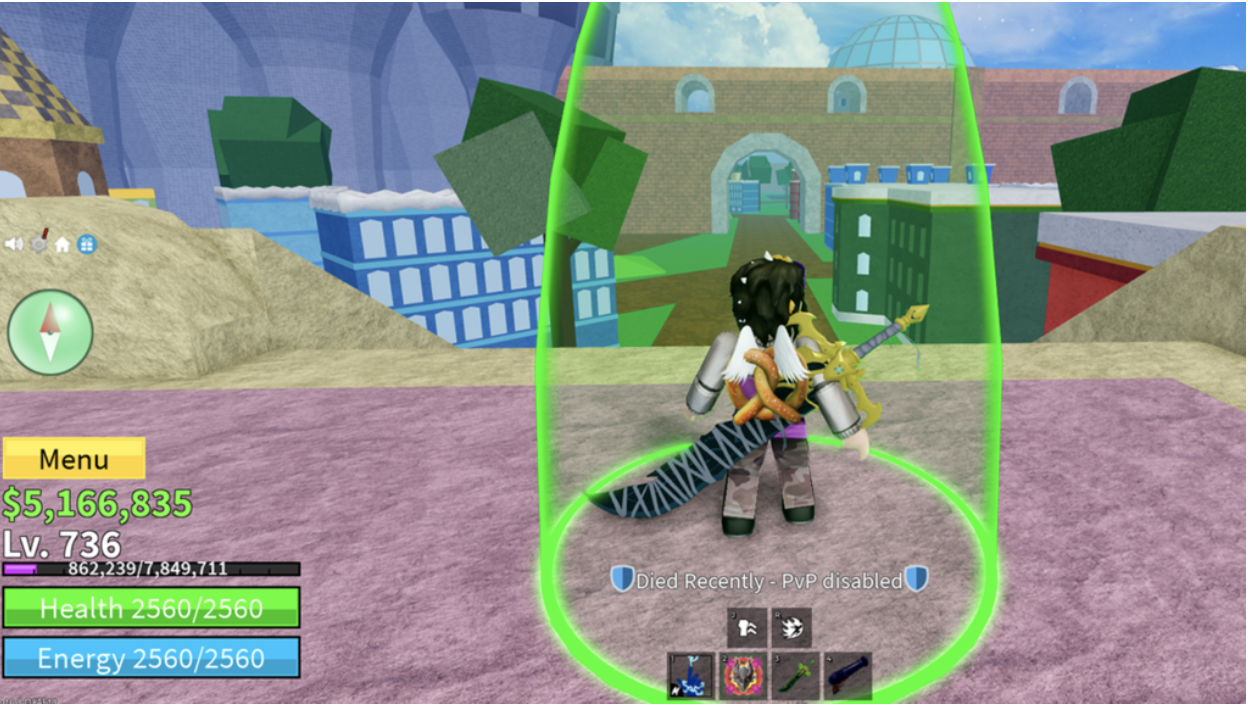
Money is one of three primary currencies in Blox Fruits. It lets players purchase items like Fighting Styles, Swords, Guns, Blox Fruits, Accessories, Abilities, and Raid Chips. While the prices are high, Money is the most accessible currency in the game, players can earn it quickly through straightforward methods.
Players can hold up to $1,000,000,000, giving them substantial purchasing power. In this guide, we’ll reveal the fastest ways to maximize your Money earnings in Blox Fruits, helping you afford the upgrades you need.
How to Get Money Fast in Blox Fruits
Blox Fruits offers multiple ways to earn money. Each method has its advantages, whether you’re looking for steady income or quick cash injections.
Money can be earned through:
- Purchasing with Robux
- Game Passes
- Defeating Enemies & Bosses
- Redeeming codes
- Quests
Let’s break down each method to help you choose the best approach for your gameplay style and goals.
Purchasing With Robux
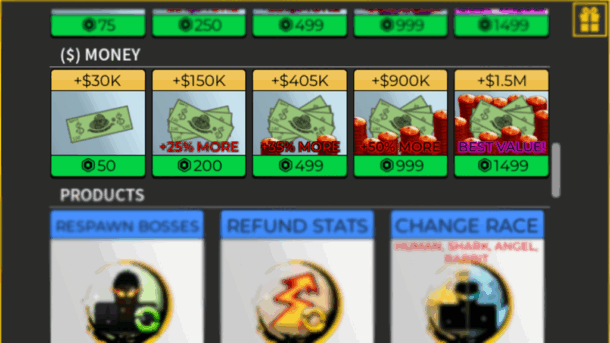
Buying Money with Robux offers instant access to the exact amount you need. Players can purchase:
- 30,000 Money (50 Robux)
- 150,000 Money (200 Robux)
- 405,000 Money (499 Robux)
- 900,000 Money (999 Robux)
- 1,500,000 Money (Best value at 1,499 Robux)
While 1,499 Robux may seem steep, many players choose this route for its immediacy and guaranteed results. Some even buy Robux specifically to acquire their target Money amount, skipping the grind of other earning methods.
To purchase Money in-game, open Menu, select “Shop,” scroll to ($) Money, and choose your amount. Alternatively, visit Blox Fruits on Roblox’s website, click “Subscriptions & Passes,” and buy your desired game pass without launching the game.
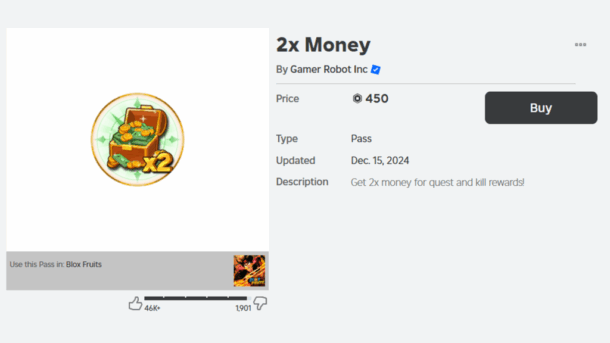
Game Passes – 2x Money
The 2x Money game pass doubles all Money earned from NPCs and Quests. It doesn’t affect chest rewards but maximizes earnings for players focused on combat and mission grinding.
This pass pairs well with questing strategies and NPC farming, making it a powerful tool for efficient Money earning. Players looking to earn money fast through active gameplay will find this especially valuable.

Defeating Enemies & Bosses
Enemies (NPCs) spawn in groups across different areas, providing steady Money drops when defeated. While regular enemies offer little rewards, bosses offer substantially higher Money and EXP.
Sea 1 introduces starter bosses like Gorilla King and Yeti, while Sea 3 features powerful ones like Stone and Hell’s Messenger. Your earnings scale with boss difficulty.
It is always recommended to equip strong fruits like Dragon or Kitsune for Boss farming. These premium fruits maximize your damage output and survival, leading to faster kills and more Money.
Redeeming Codes
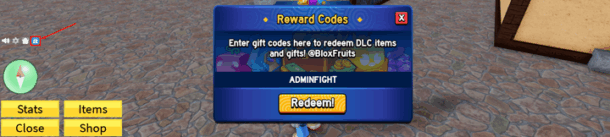
Codes offer a simple path to free Money, though they require patience and timing. Developers give them away through social media, Discord servers, and in-game notifications.
To redeem simply click the gift icon on the left side of your screen and enter your code. While most codes grant EXP multipliers, some provide direct Money rewards. Check official channels regularly for new code releases.
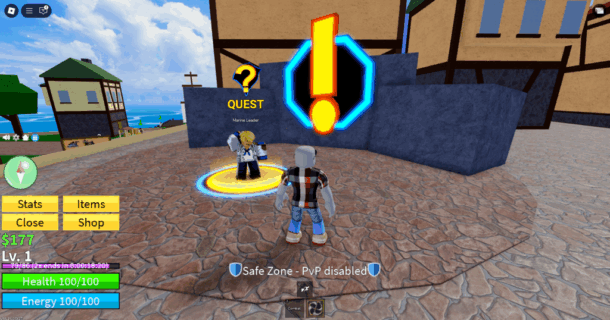
Quests
Quests provide steady Money while advancing your character. They scale in difficulty and reward as you progress. Each quest has a level requirement you must meet before accepting. Early quests might ask you to defeat a few NPCs for hundreds of Money. Later quests demand more challenging tasks but pay thousands. This makes questing an efficient way to earn while naturally leveling up.
Final Words
Money is your progression in Blox Fruits. Whether you choose to purchase it with Robux, farm bosses, complete quests, use codes, or combine multiple methods, consistent effort pays off. Pick the strategy that matches your playstyle and resources, then stick to it. The path to earning money is clear, you just need to choose your method.
As players accumulate wealth and unlock their desired fruits and equipment in the game, fans can express their love for the game by creating Neon Signs, bringing the unique aesthetics of Blox Fruits into their own rooms.
Fans can customize Blox Fruits-themed neon lights, replicating classic fruit silhouettes from the game or recreating the iconic combination of coins, swords, and fruits. Using bright, retro neon lights, they can capture the passion and fun of the game in a real-world setting.
Social Games
Ping, Not Panic: A Canadian Gamer’s 2025 Travel Stack – Steam Deck & Switch Updates, Remote Play, Con Wi-Fi Triage, and Instant Data Abroad

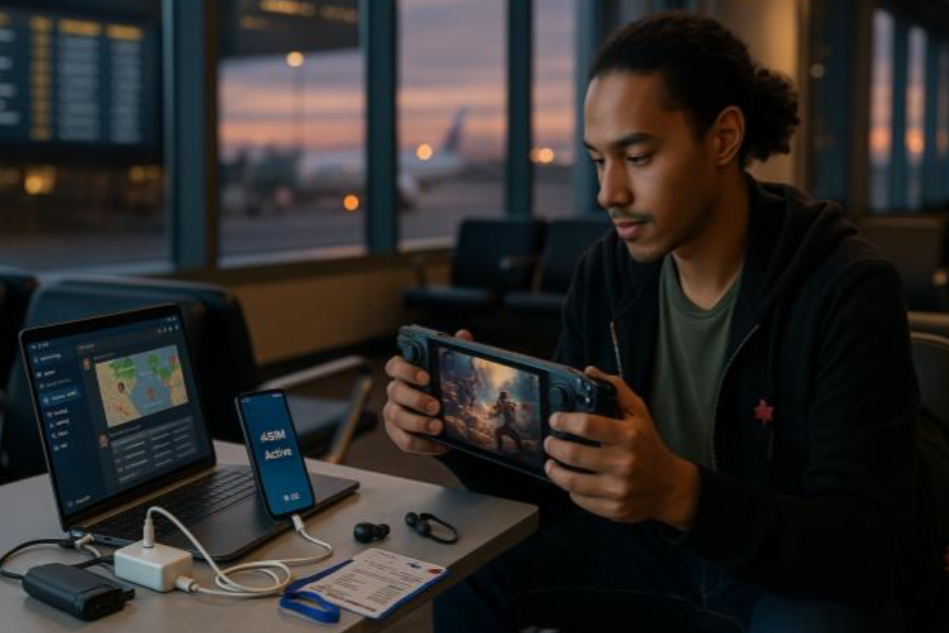
You’ve cleared security at YYZ with a backpack full of cables, a Steam Deck, and a wish to dodge Day-0 patch hell. Across the ocean, a con queue snakes past a venue that’s already melting its Wi-Fi. The goal is simple: play more, fiddle less. This field-tested guide gives Canadian gamers a clean travel stack—latency expectations, handheld tuning, hotspot etiquette, and a data setup that just works when you land.
Latency 101 (Know Your Ceiling Before You Chase Frames)
You can’t beat physics, but you can plan around it. Treat latency like weather: check it, adapt, win anyway.
Practical targets on the road
| Use Case | Target RTT | Bitrate Tip | Notes |
| Cloud gaming (Stadia-like/GeForce NOW) | ≤ 40–60 ms | 10–25 Mbps | Best in major metros; hotel Wi-Fi often too spiky |
| Remote Play (PS/Xbox → hotel/phone) | ≤ 60–80 ms | 5–12 Mbps | Cap at 720p/30 for reliability |
| Online shooters (native on handheld) | ≤ 40–70 ms | 3–6 Mbps | Prefer mobile data over café Wi-Fi |
| MMO/Co-op (native) | ≤ 70–120 ms | 1–3 Mbps | Slight input float is survivable |
Rule of thumb: In crowded venues, mobile data beats venue Wi-Fi for stability. Save giant downloads for hotel fiber; use cellular for sessions and comms.
Connectivity in 3 Minutes (No Kiosk Drama)
Skip airport SIM lines and roaming roulette. Install a travel eSIM at home so Discord, Remote Play, and patch checks work the second you land.
How to set it up
- Buy a plan online; you’ll receive a QR code.
- On your phone: Settings → Cellular/Mobile → Add eSIM → scan → label it Trip Data.
- Set Trip Data as Mobile Data, keep your Canadian number for calls/SMS/2FA.
- Turn Data Roaming ON for Trip Data only. Test once, then toggle data off until touchdown.
Want a simple option you can activate in minutes? Compare and set up Holafly’s esim for travelers.
If data naps after landing: Airplane Mode 10 seconds → confirm Trip Data is active → Data Roaming ON (that line only) → quick reboot.
Device Playbooks (Steam Deck, Switch, Remote Play)
Steam Deck / ROG Ally (and handheld PCs)
- Patch discipline: On hotel Wi-Fi, queue updates manually. Avoid “auto update everything” at 8 p.m. when everyone’s streaming.
- Shader cache sanity: Pre-cache big titles before you fly; it saves battery, heat, and stutter.
- Proton/version pinning (Deck): If a game breaks, roll back to the last known-good Proton. Keep a note of your stable pair.
- Performance caps: Lock to 40–45 fps with a frame limiter + half-rate vsync; drop TDP to keep temps—and fans—civilized.
Nintendo Switch
- eShop regions: Pre-download; don’t count on regional eShop switching abroad.
- Cloud saves: Confirm sync for your travel titles; manual upload before leaving home.
- RF survival: Pair controllers in your hotel room, not on the show floor where Bluetooth is chaos.
Remote Play (PS/Xbox/PC streaming)
- Encode targets: 720p/30 at ~5–8 Mbps is “it just works” on the road. 1080p/60 is hotel-fiber territory.
- Controller input: Wired (USB-C) or 2.4 GHz dongles beat Bluetooth in noisy RF environments.
- NAT hiccups: If your home router gets stubborn, enable UPnP or forward the official Remote Play ports before you travel.
Power & Thermals (The Silent Boss Fight)
- GaN charger: A dual-port 45–65W brick keeps phone + handheld happy.
- Power bank: 20,000 mAh with USB-C PD (at least 30W out) will top up a Deck on trains and in queues.
- Right-angle cables: Friendlier for hands; fewer port mishaps.
- Heat management: Pop a slim kickstand and lift the back off fabric surfaces. In flights, cap brightness and fps to cut heat and whine.
Security & Accounts (No Lockouts, No Leaks)
- 2FA: Keep your Canadian SIM active for OTPs; data rides on eSIM.
- Password manager: Ensure offline vault access for those check-in moments with bad Wi-Fi.
- VPN judgment: Use it for banking; avoid it for services that geo-fence streams/games unless you know the rules.
- Captive portals: Accept the splash page on your phone first, then tether the handheld.
Con & Tournament Survival (Queues, Badges, Backups)
- Badge & ticket hygiene: Screenshot every QR into a “Tickets” album—basements kill signal.
- Backpack loadout: Hard case for handheld, microfiber cloth, tiny stand, spare microSD, earplugs (hotel AC), cable ties for field fixes.
- Comms: Pin a Discord channel for your squad; set slow mode so plans don’t vanish in meme spam.
- Filming etiquette: Ask before filming cosplayers or booths; offer to DM selects.
Data Options: Quick Compare for Travellers
| Option | Setup | Multi-Country | Cost Predictability | Pros | Cons | Best For |
| Carrier roaming pass | None | Limited | Low | Familiar | Pricey daily caps | One-city sprints |
| Airport SIM per country | Queue | No | Medium | Local rates | Time sink + SIM swap | Long single stay |
| Pocket Wi-Fi | Pickup/return | Yes | Medium | Shareable | Extra device/battery | Groups/teams |
| Preinstalled eSIM | ~3 min | Yes | High | Land connected; keep CA number | Needs eSIM phone | Most trips |
Packing List (Gamer Edition, Carry-On Only)
- Handheld + rigid case
- 20k PD power bank + dual-port GaN charger
- Two short USB-C cables (one right-angle), 1x USB-A adapter
- Travel router (optional) to tame hotel Ethernet/Wi-Fi
- Spare microSD (formatted and empty)
- Foldable stand, microfiber, mini cable ties
- Earbuds with foam tips (better isolation on planes)
- Compact multitool (check airline rules if in carry-on)
A 24-Hour “Fly-to-Queue” Timeline (Copy & Tweak)
- T-18h (home): Pre-cache shaders, update core games, verify cloud saves, download offline maps. Install eSIM, test, then toggle data off.
- Airport: Join captive portal on phone, then tether the Deck to check for critical hotfixes.
- Flight: Battery mode: 30–40 fps cap, low brightness, story games > shooters.
- Hotel check-in: Speed test. Queue big downloads now, not at 8 p.m. when everyone’s streaming.
- Con morning: Phone data on, Discord open, badge QR ready. Handheld in case; power bank 100%.
- Evening: Batch-export clips, upload on hotel fiber; schedule posts for Canada prime time.
Troubleshooting in 30 Seconds
- Lag spike mid-fight? Drop res to 720p/30, move off congested Wi-Fi to mobile data, or stand near a window.
- Packet loss on venue Wi-Fi? Forget the network; tether to your phone.
- Deck won’t charge while playing? Use a PD port capable of >30W and a certified cable; lower TDP/fps to stay net positive.
Final Save: Play More, Fiddle Less
Travel gaming works when you make latency predictable, power abundant, and data boring. Pre-patch at home, cap frames smartly, treat venue Wi-Fi as suspect, and land with connectivity already solved. Do that—and keep your crew aligned on Discord—and your next PAX, Gamescom, or Tokyo pilgrimage will be about games, not guesswork.

Does gaming society need a reboot? Many people think so, with current platforms viewed by newcomers as either a mass of impenetrable content, or a world of strange and unwelcoming cliques. Nerd Culture aims to change that with a welcoming, engaging and accessible platform where all are welcome, and everyone can build their own hub, both for online celebration of all things nerdy, and for getting together offline in real life.
From PC and video gaming to board games, cosplay to fandom across movies, games and media, all areas of nerd culture are celebrated in smaller, safer hubs — including fun distractions like word games that bring people together through shared geekiness.. Places for fans to create their own spaces or join ones they feel at home in.
Features of Nerd Culture
Nerd Culture was built by a small team who felt like most of us do when facing the wall of social pressure around anything we love. It offers:
Easy and advanced group creation and search, allowing members to create, find and build groups dedicated to topics and events of interest. Note that members need to be 18+ to sign up, with fan, content creator and business categories delineating a level of interest.
Forums help create thematic communities focused on whatever is popular or niche, but important to fans with adjustable chat and feed features to help share fan voices in a reasonably-sized gathering, without being swamped by bots, trolls and other agent provocateurs. To keep them out, smart user safety features allow for intuitive moderation, chat mute and reporting tools to ensure safe social experiences.
When in the society and forum of their choice, fans can use real-time secure messaging to discuss the latest news or opinions, and collaborate in real time. Privacy settings can be customized to a level users are happy with, with privacy and safety settings that let them control who sees their content.
As part of the offline features, fans can arrange meetups and event management to link up with like-minded hobbyists in the real world, with event scheduling to promote and manage real-world events.
Fans Benefit from Rewards
To encourage engagement, contributions, responsible behavior and society-building, users can level-up their status, earning rewards through a built-in XP system. They can earn points by starting discussions, organizing events and helping people fall in love with new and familiar hobbies, unlocking levels, achievements and real-world prizes as they go.
“It’s like leveling up by helping build the community and fostering real connections,” said Nerd Culture co-founder Steven Weingarth. “Creators and members can also gain Nerd Cred for being a community advocate, and that unlocks more than just bragging rights.”
Nerd Culture is free to join and use, helping to recreate the social community of popular topics before they become swamped by low-quality content and bots. Designed for and by fans of gaming, fandom culture and creative hobbies, Nerd Culture welcomes new friends, helps them dive deeper into favorite interests or explore new worlds.
By helping users connect, discover and adventure together, with intuitive tools to help build meaningful communities, there’s plenty to see and do both online, through voice and video calls with your new buddies, and through new friends out in the real world through meetups and hangouts.
About Nerd Culture
As the founders (six lifelong nerds) put it, our new social platform sets out to fix the most frustrating problem: Why is it so hard, even in giant cities like LA, to find people who share my niche interests?
“When I moved to LA, I was shocked by how difficult it was to find a D&D group. Sites upon sites, Discord invites, bouncing between Reddit threads and Meetup and Facebook groups” writes Co-Founder Steven Weingarth. “It felt like yelling into a void. So our team set out to build the platform we all wish existed — a single place to connect and share stories with people over the things we love.”
Whatever your experience, many of us have felt unwelcome or overwhelmed in one place or another. Nerd Culture aims to offer a welcome hand to the nervous, or a new platform that we can build to create a more welcoming space about the topics we love.
-
 Guides6 years ago
6 Proven Ways to Get more Instagram Likes on your Business Account
-
Mainstream11 years ago
BioWare: Mass Effect 4 to Benefit From Dropping Last-Gen, Will Not Share Template With Dragon Age: Inquisition
-
 Mainstream7 years ago
How to Buy Property & Safe Houses in GTA 5 (Grand Theft Auto 5)
-

 Guides1 year ago
Free Fire vs PUBG: Comparing Graphics, Gameplay, and More
-

 Guides1 year ago
50+ Free Fire ID and Passwords Login List (Giveaway) 2025
-
 Casual2 years ago
8 Ways to Fix Over-Extrusion and Under-Extrusion in 3D Printing
-

 Other2 years ago
Ajjubhai UID: Free Fire Details & Earnings
-
 Mainstream13 years ago
Guild Wars 2: The eSports Dream and the sPvP Tragedy