
iGaming
Is Having More Games Better for Online Casinos?

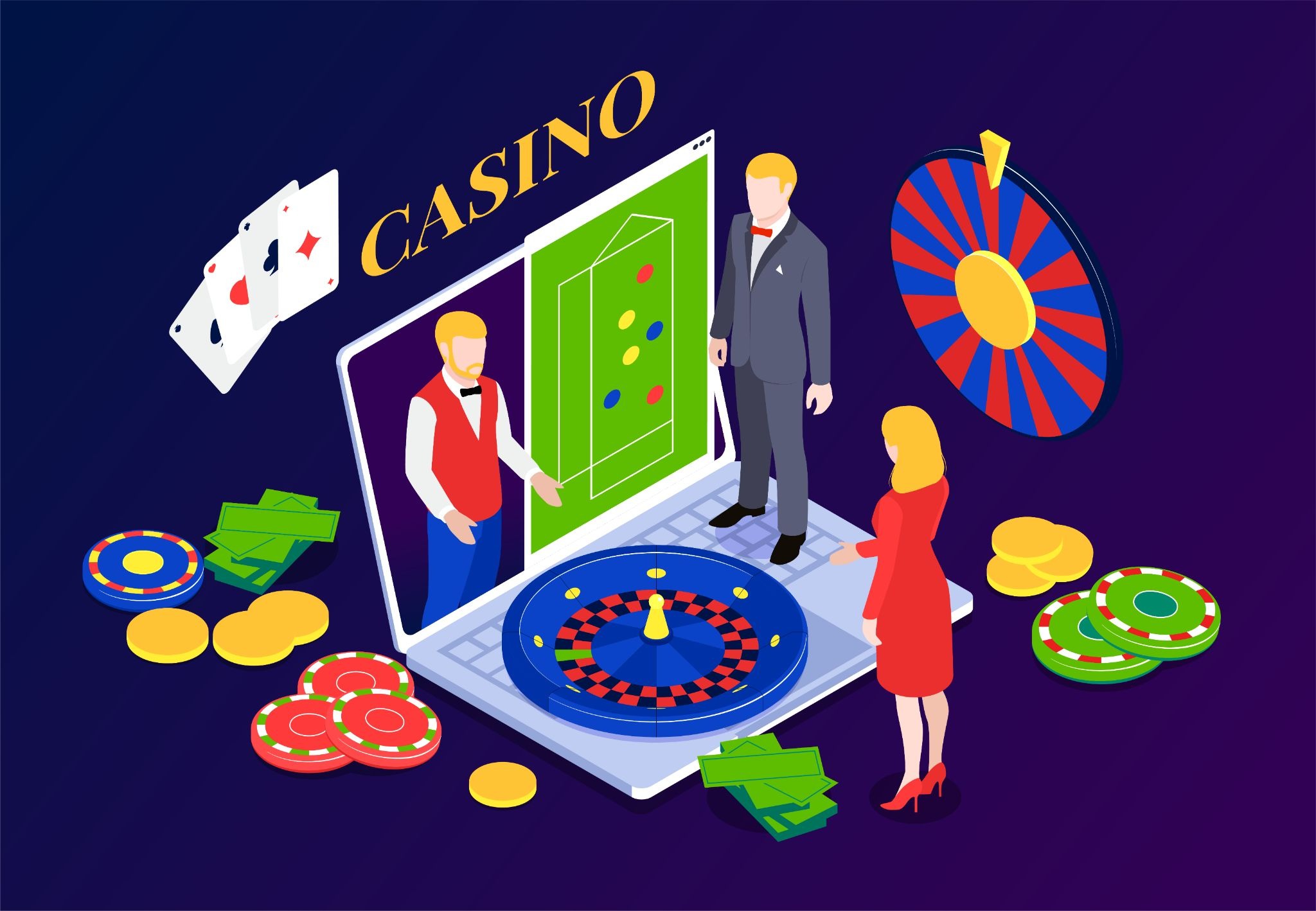
Online casinos often promote the size of their game library as a sign of quality. A platform may highlight hundreds or even thousands of titles, hoping that players will see variety and feel more interested in signing up. At first, this makes sense. More games should mean more choice, more entertainment, and more chances for each player to find something they enjoy.
For operators, the challenge is not only adding more titles but managing them properly. The Zenith aggregator solution helps online casinos connect a wider range of games through one technical setup, making it easier to expand the library without creating unnecessary complexity.
But in practice, the answer is not that simple. Having more games can help an online casino grow, but only when the library is well organised, technically stable, and relevant to the audience. A huge game collection can impress visitors, yet it can also become confusing if players cannot find the right titles quickly.
Why Variety Matters
Choice is important in online gaming. Players do not all enjoy the same experience. Some prefer classic slots with simple rules, while others look for modern video slots, jackpots, live dealer tables, crash games, or instant-win formats. A wider library helps a casino serve different player types instead of depending on one category.
Variety also supports retention. A player who enjoys one game today may want something different tomorrow. If the platform keeps offering fresh options, users have more reasons to come back. In a competitive market, that extra choice can make the difference between a short visit and a repeat player.
For operators, a broad game library can also support marketing. New releases, provider highlights, tournaments, and themed campaigns all become easier when there is enough content to work with.
When More Games Become a Problem
More games are not always better by default. A casino with too many titles and poor navigation can feel messy. Players may scroll for a long time, open random games, and leave because the experience feels overwhelming.
This is similar to a streaming platform with too much content and weak recommendations. The library is large, but the user still struggles to choose. In online casinos, this can damage engagement because players usually want fast access to entertainment, not a long search process.
There is also a technical side. Every game needs to load correctly, connect to the platform, track balances, support different devices, and follow compliance rules. Without the right infrastructure, the result may be slower performance, errors, or inconsistent user experience.
Quality Beats Raw Numbers
The best online casinos do not simply ask, “How many games can we add?” They ask, “Which games are right for our players?”
Quality may refer to trusted providers, mobile performance, clear rules, strong visual design, fair testing, or popularity in a certain market. A smaller library of well-chosen games can sometimes perform better than a huge library full of titles that users ignore.
This is where data becomes valuable. Operators need to understand which games attract attention, which titles keep players active, and which categories perform better in each region. Without this information, adding more games is mostly guesswork.
The Role of Aggregators
Game aggregators have become important because they help casinos expand their libraries without dealing with every provider separately. Instead of building many individual integrations, operators can use one connection to access multiple studios and game types.
A solution like the Zenith’s helps operators approach game variety in a more structured way. Zenith’s OneAPI is positioned as a full-suite game aggregator, offering access to more than 2,000 game titles from over 60 partners, with support for multiple languages, currencies, back-office tools, analytics, and operational support.
This matters because aggregation is not only about collecting games. It is also about making the content easier to manage. Operators need tools to organise the lobby, monitor performance, add new titles, and adapt the offer for different audiences.
Personalisation Makes Large Libraries Work
If a casino wants to offer many games, personalisation becomes essential. Players should not have to browse every title manually. Search filters, category pages, trending sections, recently played lists, and recommendations can all help users find suitable games faster.
Personalisation can also support local markets. A game that performs well in one country may not work as well in another. Operators that understand these differences can create more relevant game lobbies instead of showing every user the same content.
Having more online games can be better for online casinos, but only when quantity is supported by strategy. A large library can improve choice, retention, and marketing opportunities. However, it can also create confusion and technical pressure if the platform is not built to manage it properly.
The future of online casino content is not about adding games endlessly. It is about offering the right mix of variety, quality, performance, and personalisation. Players want choice, but they also want a smooth experience.
iGaming
Beyond the Final Whistle: Mastering the Digital Second-Screen Experience for University Sports Fans

If you’ve ever found yourself huddled over a laptop at three in the morning, frantically refreshing a box score while a grainy livestream plays on your tablet, you’re likely one of us. There’s a particular kind of magic found in American college sports, specifically when the madness of the spring tournament rolls around. It’s an atmosphere that’s hard to replicate, a mixture of pure amateur spirit and high-stakes pressure that keeps us glued to our screens. But for the modern superfan, just watching the game on the telly isn’t enough anymore. We’ve moved far beyond being passive observers. We’re now active participants in a multi-platform, data-heavy experience that lasts long after the final whistle blows.
The way we consume these games has shifted dramatically over the last decade. It wasn’t that long ago when your only way of keeping up with the scores was the occasional update on the evening news or a tiny column in the sports section of the paper. Today, we’re living in an era where the “second screen” isn’t just an option; it’s an essential part of the kit. Whether it’s following real-time analytics or arguing with strangers on social media about a controversial foul call, the digital world has made the experience of being a fan more immersive than we ever thought possible.
From the Sofa to the Smartphone: A New Era of Fandom
The evolution of tournament fandom has been nothing short of a revolution. We used to sit and wait for the broadcasters to tell us what was happening. Now, we’re often better informed than the commentators themselves. The shift from passive viewing to multi-platform interaction has changed the very nature of how we experience NCAA March Madness. I’ve noticed that during any given game, my eyes are darting between the live action and a smartphone screen at least once every few minutes.
This isn’t just about checking scores from other games. It’s about the data. We want to know the “effective field goal percentage” of a point guard in real-time. We want to see how a team’s defensive efficiency fluctuates during a 10-0 run. This data-centric interaction has turned us all into amateur scouts. We aren’t just cheering for a team; we’re analysing their every move. The availability of real-time stats through various apps and websites has created a community of fans who value technical insight just as much as team loyalty.
It’s also about the social connection. In the past, you might have watched the game with a few mates at the pub. Now, you’re watching it with thousands of people across the globe. Digital platforms allow us to share the highs and lows instantly. When an underdog hits a game-winning shot, the collective roar isn’t just heard in the arena; it’s felt across the internet. This shared digital space has bridged the gap between the live broadcast and the fan, making us feel like we’re part of something much larger than a simple sports match.
Cracking the Code: The Science of the Perfect Bracket
Every year, millions of people fill out their brackets, most of them relying on nothing more than “gut feeling” or the colour of a team’s jersey. But for the superfan, bracketology is a serious business. It’s a technical challenge that requires a deep dive into authoritative rankings and hierarchical team data. We’ve moved away from the era of pure luck and into an age of “technical scouting” where the right information can give you a massive competitive edge in your friend circles or office pools.
If you want to be successful, you have to look beyond the basic win-loss record. I find myself spending hours looking at KenPom rankings or the NCAA’s own NET (NCAA Evaluation Tool). These systems provide a much more nuanced view of how a team actually performs. They take into account things like strength of schedule and scoring margin, which are much better indicators of future success than a simple seed number.
This analytical approach has changed the way we discuss the game. Instead of saying a team is “good,” we talk about their “adjusted offensive efficiency.” It’s a more intellectual way of engaging with the sport, and it adds a layer of satisfaction when your data-driven prediction actually comes true. When a 12-seed upsets a 5-seed, it isn’t just a shock to us; it’s the result of hours spent looking at the numbers and realising that the lower-seeded team actually had a statistical advantage in key areas.
Living in the Multi-Screen Moment
The concept of “second-screen synergy” is what really defines the modern sports fan. It’s the art of balancing multiple streams of information at once without losing track of the game. We’ve seen a rise in gamified fandom, where digital platforms offer real-time challenges and interactive elements that run alongside the live broadcast. You might be participating in a live poll about who will hit the next three-pointer or tracking your “fantasy” players as they rack up points.
This real-time engagement has bridged the gap between the broadcast and interactive entertainment. The live game provides the foundation, but the digital experience provides the texture. I’ve often found that the most memorable moments of a game aren’t the ones the TV cameras focus on, but the weird stats or funny interactions I see on a secondary feed. It makes the whole experience feel more personal and curated. You aren’t just being fed a one-size-fits-all narrative; you’re building your own story of the tournament.
What’s interesting is how this has influenced the way the games are broadcast. We’re starting to see more on-screen graphics that lean into this technical side of things, providing the kind of data that used to be the exclusive domain of hardcore fans. It’s a sign that the “second screen” is becoming the primary way we think about sports. The interaction isn’t just a distraction; it’s the main event.
Keeping the Momentum During the Quiet Months
The biggest problem with being a college sports superfan is that the “madness” eventually has to end. When the final confetti falls and the trophies are handed out, there’s often a bit of a slump. How do you maintain that high-energy mindset when there are no games to watch? This is where the “off-season playbook” comes into effect. Strategic scouting of digital platforms keeps the engagement high, whether you’re following the transfer portal or tracking recruiting news for the next season.
There’s something about that last-second, bracket-busting win that stays with you. It’s that feeling of high-tempo energy and the satisfaction of an instant result coming through just when you need it most. When you’re in the middle of a long halftime break or navigating the quiet lulls of the off-season, you can still find ways to keep that engagement going. For many, the transition to other forms of interactive entertainment is a natural one. You might decide to play online slots as a way to maintain that quick-fire pace and keep your mind sharp while waiting for the next tip-off.
The mechanics of digital gaming actually mirror the unpredictability of college sports quite well. You have to be quick on your feet, stay focused, and be ready for a sudden shift in momentum. It’s a brilliant way to pass the time between the major tournament windows, ensuring that your competitive edge doesn’t get dull while the players are off the court. By staying active on high-engagement platforms, you keep that “always-on” mentality that makes the tournament season so special.
The Technical Crossover: Strategy and Stats
In the end, the transition from courtside excitement to digital reels isn’t as big a leap as you might think. If you treat your fandom like a technical hobby, you can see the parallels everywhere. Think of it like a scouting report. A 15-seed that somehow makes it to the Sweet Sixteen is essentially a “high-RTP” (Return to Player) option in the tournament world. They represent a high level of volatility but offer the most interesting technical narrative.
When we look at online gaming through this same analytical lens, it becomes an extension of our hobby. We aren’t just looking for a simple distraction; we’re looking for something that respects our love for stats, patterns, and unpredictable outcomes. The mechanics of these games, much like a mid-major team’s zone defence, rely on a specific set of rules and probabilities that a dedicated fan can appreciate.
Translating the unpredictability of college sports into immersive digital mechanics is the final stage of the superfan’s journey. We’ve moved from the stands to the screen, and from the screen to the stats. By embracing the full range of digital tools available to us, we’ve turned a simple game into a year-round obsession. Whether it’s through meticulous bracketology, real-time social interaction, or a quick game during a commercial break, the modern fan is always connected to the action.
18+. Please gamble responsibly. For help and support, visit BeGambleAware.

Estonia has built a strong reputation as one of Europe’s most digitally advanced countries. From online public services to a technology-friendly business environment, the country is often associated with efficient digital infrastructure. That reputation increasingly extends into online entertainment, where players are paying more attention to how casino platforms are structured, licensed and connected to the wider European market.
Estonia’s Digital Identity Shapes Expectations
Estonia is widely recognised for making digital services part of everyday life.
Residents are accustomed to online administration, electronic identification and technology-led public services. That does not automatically make every private digital service better but it does create a culture where users expect online platforms to work efficiently.
Those expectations carry into entertainment.
People want websites that load quickly, mobile interfaces that feel natural and account processes that do not create unnecessary friction. The same principles apply whether someone is using a banking app, booking travel or opening an online gaming platform.
For Finnish players researching virolaiset nettikasinot, Estonia can therefore feel familiar as a nearby digital market. Geography matters but so does the country’s broader reputation for technology and online services.
That combination helps explain why Estonian casino platforms attract interest beyond the country itself.
Online Casinos Depend on Strong Digital Infrastructure
A modern online casino is essentially a technology platform.
The front end may focus on slots, live casino games and account management but the underlying service depends on multiple systems working together.
Payments need to be processed reliably. User accounts need to remain secure. Game providers need to connect through stable integrations. Mobile devices need to display the same information clearly as desktop browsers.
This makes digital infrastructure central to the experience.
Players rarely think about APIs, databases or server architecture while using a casino. They notice the results instead.
If games launch quickly, payment pages are responsive and account information stays consistent, the platform feels dependable. If these systems behave unpredictably, trust can disappear quickly.
Estonia’s broader technology reputation creates an interesting backdrop for this type of service because the country is already associated with digital-first thinking.
Cross-Border Interest Is Natural in the Nordics
Finland and Estonia are closely connected geographically and culturally.
Travel between the two countries is common and many Finnish consumers are already familiar with Estonian businesses and digital services. That makes cross-border curiosity around online entertainment relatively unsurprising.
Online casinos also reduce the importance of physical distance.
A player does not need to travel to use a digital platform. What matters more is language support, payment compatibility and whether the overall service feels understandable.
This creates competition based on localisation.
An Estonian operator hoping to appeal to Finnish users needs more than a functioning website. Finnish-language content, clear account information and familiar payment methods can make a major difference.
The same applies across Europe.
International casino platforms increasingly compete by making a cross-border service feel local. Strong localisation can reduce the sense that the user is dealing with a distant or unfamiliar company.
Game Variety Strengthens the International Appeal
Another reason Estonian casino platforms attract attention is access to the wider European gaming ecosystem.
Modern online casinos can integrate content from many different studios rather than relying on one supplier. This allows operators to offer large libraries covering both traditional and newer game formats.
Players may encounter:
- classic slot designs
- modern video slots
- live casino tables
- jackpot games
- mobile-optimised titles
- games from multiple European studios
The challenge is making that variety easy to navigate.
A casino with a large library still needs effective search tools and useful categories. Players should be able to filter by provider, find recent releases or return to games they have already played.
This is where design becomes part of the product.
The strongest casino platforms increasingly resemble other digital entertainment services because they focus on discovery as much as content volume.
Trust Is Built Through the Entire Experience
A country’s digital reputation can create interest but it does not replace the need for careful comparison.
Players still judge casino platforms individually.
Clear payment information, understandable account procedures and reliable customer support all contribute to whether a service feels trustworthy. Licensing context is also relevant because it helps users understand the operating environment behind the website.
The important point is that trust is cumulative.
A polished interface alone is not enough. Neither is a large game catalogue. Users build an impression through every interaction, from registration to payments and game discovery.
Estonia’s strength is that it enters this market with an established identity as a digitally capable European country.
That reputation creates a natural connection between the country and online gaming but the individual platform still has to deliver.
For Finnish players, Estonian casinos are therefore interesting not simply because they are nearby. They sit at the intersection of cross-border entertainment, digital infrastructure and a market that increasingly expects online services to feel fast, clear and dependable.

The casino experience is a form of entertainment that attracts millions of people around the world. Like any other recreational activity, whether it’s a concert, a vacation, or a dinner at a restaurant, it involves spending money. Setting clear limits and sticking to them can make a gaming session a controlled and enjoyable experience, without affecting your personal financial stability.
Why does pre-game financial planning matter?
Many Romanian players enter a casino without a clear plan, which can lead to impulsive decisions and unforeseen expenses. Financial planning does not mean eliminating fun, but creating a framework in which fun remains healthy. A well-established budget works as a safety net, allowing the user to enjoy the moments of play without worrying about the financial consequences. Therefore, in licensed casinos like nv casino, setting deposit limits and maintaining rigorous self-control are essential steps for a safe experience.
Planning ahead also gives you a realistic perspective on your financial situation. When you carefully assess your monthly income and expenses, you can accurately determine how much you can dedicate to recreational activities without affecting your essential financial obligations.
Separation of funds for entertainment
The first concrete step is to isolate the amount of money you spend on gambling from the rest of your personal finances. Money spent on gambling should never come from funds intended for rent, bills, or savings. Treat it just like a ticket to a sporting event or a weekend trip. Once it’s spent, the activity is over.
One effective method is to use a bank account dedicated exclusively to entertainment expenses. This way, you transfer a set amount at the beginning of the month and easily monitor how much you have spent and how much you have left. This visual and practical separation eliminates the temptation to access funds that are intended for other purposes.
Setting time and amount limits
In addition to the financial limit, the time spent playing has a direct impact on spending behavior. Prolonged sessions often lead to mental fatigue, which affects the ability to make rational decisions. Set a fixed time limit for yourself and stick to it regardless of the results.
A simple trick is to set an alarm on your phone to notify you when the set time limit is approaching its end. This method works as an objective external signal, useful in times when the perception of time is distorted due to emotional involvement in the game.
Practical methods for controlling expenses
There are several proven strategies that help players stay in control of their casino entertainment budget. These methods don’t require advanced financial knowledge, just consistency and honesty with yourself.
Here are some effective money management techniques:
- Fixed percentage rule — allocate a maximum of 5-10% of your monthly disposable income for entertainment, including casino games.
- Envelope method — put the amount dedicated to gambling in a separate envelope, physical or virtual, and do not exceed its contents.
- Spending journal — note each session, the amount invested, and the result, to identify patterns of behavior.
- Using self-exclusion tools — most online platforms offer options to limit daily, weekly, or monthly deposits.
- Mandatory breaks — set regular intervals during which you do not participate in any gambling activity.
Combining multiple methods increases the efficiency of financial control. For example, a monthly expense journal can show you whether the fixed percentage rule is being followed or if limits need to be adjusted.
Alarm signals: how to react?
Recognizing when entertainment becomes problematic is as important as planning ahead. Regular self-examination and honesty about your habits are the foundation of responsible behavior.
Here are the differences between healthy recreational behavior and one that requires attention:
| Healthy behavior | Alarm signal |
| Only play with money you can afford to lose. | Borrow money to play |
| Respect the established time limit | Extend your sessions to recover your losses |
| Do you consider gaming a form of entertainment? | You feel anxious when you don’t play. |
| Discuss openly about gaming activity | You hide the amounts spent by the family |
| You can stop the session at any time. | You feel a compulsive need to continue. |
If you find yourself in the red flag column, it’s essential to reach out for support. Organizations like Gamblers Anonymous or the Romanian national counseling hotlines offer free and confidential assistance. There’s no shame in asking for help — acknowledging a problem and taking proactive action shows maturity and responsibility. Many of these organizations also have online programs, making it easier to access support for those who prefer this format.
Financial discipline as the foundation of fun
A healthy relationship with casino games is built through repetition and consistency, not through isolated decisions. Every conscious choice — from the first transfer to a dedicated account to the moment you close the app or leave the table — reinforces a behavioral pattern that, over time, becomes automatic. This automation of financial prudence frees up mental resources for what really matters: the joy of the moment. When worries about money no longer occupy space in your thoughts, your attention is fully directed towards the experience itself. After all, the real value of any form of recreation is not measured in wins or losses, but in the quality of the hours spent and the peace with which you return to your daily routine.
-
 Guides6 years ago
6 Proven Ways to Get more Instagram Likes on your Business Account
-
Mainstream12 years ago
BioWare: Mass Effect 4 to Benefit From Dropping Last-Gen, Will Not Share Template With Dragon Age: Inquisition
-
 Mainstream8 years ago
How to Buy Property & Safe Houses in GTA 5 (Grand Theft Auto 5)
-

 Guides2 years ago
Free Fire vs PUBG: Comparing Graphics, Gameplay, and More
-

 Guides2 years ago
50+ Free Fire ID and Passwords Login List (Giveaway) 2025
-
 Casual3 years ago
8 Ways to Fix Over-Extrusion and Under-Extrusion in 3D Printing
-

 Other2 years ago
Ajjubhai UID: Free Fire Details & Earnings
-

 Features2 years ago
Exploring Valorant eSports Stats: Unveiling the Metrics Behind Competitive Excellence