
Video Games
Anticipating 2026: Video Games That Will Define the Year


Gaming’s next chapter is almost here, with 2026 shaping up to be a landmark year for new releases. From cinematic adventures to competitive online titles, the games on the horizon promise innovation and excitement.
“The number of video game firms in Canada more than doubled in a decade, rising from 775 in 2013 to 1,628 in 2022. This increase was driven by Canadian-owned firms, primarily engaged in video game design and small firms with fewer than five employees. Revenue in the video game industry rose from $2 billion to $7 billion from 2013 to 2022″ (statcan.gc.ca, 2025).
As the gaming world looks ahead to 2026, anticipation is building for titles that could redefine gameplay, storytelling and player engagement. Developers are pushing boundaries with immersive worlds, refined mechanics and cross-platform play that connects millions. Whether you’re into narrative-driven epics or competitive online experiences, 2026 is shaping up to be one of the most thrilling years in recent memory.
Next-Generation Franchises Poised to Shape 2026
Some of the most anticipated titles of 2026 come from established franchises or franchises evolving into new directions. Games like Primary, a fast-paced platformer with intense puzzle elements, as seen in Unigamesity coverage, demonstrate how indie charm can still break through in a world filled with high-budget titles.
Another standout is Battle Arena, a competitive multiplayer experience that fosters social engagement and strategic collaboration. Such titles promise to blend classical mechanics with innovative design, appealing to long-time gamers and newcomers alike. Next-gen franchises will likely combine deep narrative arcs with engaging multiplayer components, making them integral to the gaming landscape of 2026.
Fans are watching how studios will expand universes and bring fresh energy to beloved characters, ensuring a wide variety of experiences across genres.
Technological Breakthroughs Driving Gameplay Evolution
2026 promises major technological leaps that could transform player interaction. Advances in AI, procedural world generation and adaptive difficulty will make games feel more alive and responsive. Streaming technologies are also set to improve, reducing load times and increasing accessibility across devices.
For example, browser and online experiences are increasingly seamless, with Unigamesity highlighting that many games now load instantly without downloads, a trend that could extend to larger titles by 2026. Enhanced physics engines, real-time ray tracing and haptic feedback integration are also expected to push immersion to new heights. These innovations mean worlds will feel more dynamic, battles more visceral and stories more impactful.
Narrative-Focused Titles Redefining Player Expectations
Storytelling remains a core strength of video games and 2026 is expected to deliver several powerful narrative experiences. Games like Ancient Quest, noted for transporting players through mythic landscapes with rich world-building, show how interactive storytelling can emotionally resonate with players.
Similarly, Island Explorer combines survival elements within a narrative framework that rewards exploration and player choice. These kinds of titles often blur the line between interactive fiction and traditional gaming, encouraging deep emotional engagement and replayability.
Expect developers to experiment with branching narratives, moral choice systems, and characters that grow with players, not just plot devices to move the action forward. Narrative evolution will be a hallmark of games that define 2026.
How Live-Service and Cross-Platform Games Will Dominate
Live-service models and cross-platform play are now staples in modern gaming and they show no signs of slowing down. Competitive online experiences like Team Fortress, which emphasise coordination among distinct roles and cooperative gameplay, are a great example of how multiplayer titles build vibrant communities.
These games constantly evolve through seasonal content, community challenges and ongoing updates, keeping players engaged long after the initial release. Cross-platform play also ensures friends can connect regardless of their device, lowering barriers and uniting communities worldwide.
Games like Crystal Connect, with its engaging jewel-matching puzzles and complex patterns, show that even simple mechanics can be elevated through innovative design and artistic flair. Meanwhile, Empire Builder, a strategic civilisation game, demonstrates how thoughtful gameplay can offer depth and long-term replay value.
In 2026, commentators expect more titles to embrace this model, building environments that reward long-term play, encourage social interaction and regularly introduce fresh content to keep fans invested.
The Broader Digital Economy
2026 is not just about the games themselves; it’s about the ecosystem surrounding them. Gaming continues to intersect with other digital entertainment sectors and even licensed platforms like top rated Canadian online casinos illustrate how interactive content spans beyond traditional games into online wagering and skill-based challenges. Independent reviewers have tested and evaluated hundreds of Canadian online casinos to bring you the best expert insights, exclusive bonuses and top real money games, offering players a broader view of digital play and entertainment.
This cross-industry influence means improvements in payment systems, security, social connectivity and streaming tech benefit gamers and online entertainment consumers alike. The growing synergy between gaming, esports and digital platforms points to a richer ecosystem in 2026.
2026 is shaping up to be a landmark year in gaming history. From narrative-driven epics to innovative multiplayer worlds, the titles on the horizon promise to reshape expectations and broaden what games can be. Technological leaps, creative storytelling, and cross-platform engagement will define the year, making it an exciting time for gamers of all types.
Whether you’re drawn to strategic conquests, cooperative arenas, or immersive single-player journeys, the games emerging in 2026 will offer something unforgettable. As developers push boundaries and players embrace new experiences, this year will likely stand out as one of the most influential in modern gaming.
Aimbot software feels like a shortcut. Anti-cheat feels like a coin flip until you actually look at the numbers, and then it stops feeling like a coin flip at all.
CS2’s Valve Anti-Cheat and VACnet system, Riot’s Vanguard, Activision’s Ricochet, and BattlEye all run different detection logic, different appeal odds, and wildly different ban cadences. Some wipe accounts in the tens of thousands. Others clear closer to a million in a single day.
None of that math changes because a product markets itself as undetectable. Undetectability is engineered risk reduction, not a promise. Battlelog.co builds toward that with 60+ hours of weekly QA and daily status updates, but the account still carries the exposure. Here’s what the risk actually looks like before deciding if aimbot ban risk is worth carrying into a ranked queue.
Key Takeaways
- Anti-cheat systems now ban faster and smarter than most players assume, whether it’s an aimbot, a wallhack, or ESP triggering the flag.
- False positives happen, and aim assist or high-refresh mice can get flagged too.
- VAC, Vanguard, Ricochet, and BattlEye differ sharply in strictness and appeal odds.
- Bans can spread beyond the game into streaming platforms and esports contracts.
- Undetectability is engineered risk reduction, never a guarantee against bans.
How Fast Anti-Cheat Actually Catches Aimbot Software
Valve doesn’t publish official VAC numbers, but community trackers paint a rough picture. Csstats.gg estimated 100,000+ CS2 accounts banned in July 2025 alone, the largest wave that year.
Ban Waves, Detection Timelines, and What the Numbers Show
Early 2026 cooled to roughly 57,000 bans over 30 days, still far above baseline. Daily volume usually sits in the low thousands, spiking past 9,000 on major wave days.
The outlier: on March 27, 2026, CS2 lead Ido Magal confirmed Valve banned 960,000 bot farm accounts in a single day, the largest ban operation in the game’s history. January 2026 alone saw 26,000+ accounts sanctioned in two weeks. None of this is instant detection. It’s pattern recognition catching up in batches, sometimes months later, and every wave means another round of permanent bans.
The Legal Fine Print Nobody Reads Before Cheating
Every EULA and terms of service agreement for CS2, Valorant, Call of Duty, and Fortnite bans cheat software explicitly. That’s not boilerplate, it’s the legal basis publishers use to justify permanent bans without refund.
ToS Violations, DMCA Claims, and Financial Exposure
Battle pass purchases, skins, and rank progress all get wiped with the account ban. Some anti-cheat vendors have pursued DMCA claims against cheat software developers directly, not users, but that legal exposure sits upstream of anyone running the software. The financial hit lands on the player either way: lost purchases, lost time, zero recourse through the platform. Account recovery isn’t part of the deal once a permanent ban lands.
VACnet, Vanguard, and the Machine Learning Watching Your Mouse
VACnet isn’t rule-based anymore. It’s a machine learning detection layer trained on millions of matches, flagging statistical anomalies in mouse movement, headshot ratio, and reaction timing.
Statistical Anomaly Models Explained Without the Jargon
Vanguard runs kernel level and always-on for Valorant, watching processes system-wide rather than just in-match. Ricochet does something similar for Warzone, cross-referencing input patterns against known aimbot and triggerbot signatures. Easy Anti-Cheat, used across several titles including Apex Legends and Fortnite, leans on similar heuristics.
None of these systems need to catch every cheat instantly. They need enough anomalies stacked up to justify a wave. That’s why detection often lags weeks behind actual aimbot and wallhack use, not hours.
Curious how a QA-driven product approaches that gap? Testing cadence factors heavily into engineered risk reduction against these exact detection models, so find out more here.
VAC vs Vanguard vs Ricochet vs BattlEye: Who Bans Hardest
Not every anti-cheat plays the same game. Some ban fast and loose, others wait and swing a heavier hammer. Knowing the difference matters before deciding where your aimbot ban risk is highest.
Kernel-Level Anti-Cheat and Strictness Compared
Vanguard runs kernel level and boots with Windows itself, giving Riot visibility other systems don’t get. That’s why Valorant bans skew fast and permanent, with almost no wiggle room for edge cases.
Ricochet takes a similar kernel level approach for Call of Duty, layering driver-level monitoring on top of server-side stats. Activision has leaned harder into this since 2023, targeting Cronus devices and traditional aimbots alike, including ESP and wallhack overlays.
VAC stays mostly usermode and statistical, which is part of why CS2 ban waves land in batches instead of real time. Easy Anti-Cheat sits somewhere in the middle, used across multiple titles including Apex Legends, with inconsistent strictness depending on the publisher’s configuration.
BattlEye splits the difference too, running kernel components in some games and lighter detection in others. None of these systems ban instantly, but the kernel-level ones close the detection window considerably. Some publishers escalate repeat offenders straight to an IP ban, cutting off new account creation from the same connection.
Appeal Policies Side by Side
Riot rarely reverses Vanguard bans once issued, treating them as final. Valve’s VAC bans are famously non-negotiable by design, permanent and untouchable through official support channels.
Activision offers a formal appeal path for Ricochet bans, though success rates for confirmed cheat software detection cases stay low. BattlEye’s appeal process varies by publisher, since BattlEye itself doesn’t run support, the game studio does. Account recovery after a confirmed aimbot ban is rare across all four systems, and a repeat offense can escalate an account ban into an IP ban on top of it.
When Aim Assist Gets Mistaken for an Aimbot
Here’s where things get messy. Anti-cheat doesn’t always know the difference between a skilled player and a scripted one.
Controller Input, High-Refresh Mice, and False Positives
Aim assist on controller inputs can mimic aimbot-style snapping, especially at tight FOV settings during close-range fights. Machine learning detection models flag statistical outliers, and unusually consistent tracking sometimes reads as one.
High-refresh mice paired with low sensitivity can also trigger false flags. Smooth, fast mouse movement across a wide FOV occasionally resembles the exact patterns anti-cheat trains itself to catch.
Console players crossing into PC lobbies via input converters face extra scrutiny too. Ricochet and Vanguard both watch for hardware signatures that suggest illegitimate legit hacking setups rather than raw skill, sometimes escalating straight to a hardware ban.
How to File an Appeal That Actually Gets Read
Support tickets that include match IDs, timestamps, and hardware specs get read faster than vague complaints. Screen recordings of the flagged session help more than any written explanation alone.
Keep language factual, skip the outrage. Reviewers move faster through appeals that look like evidence, not venting.
Beyond the Game Ban: Streaming, Esports, and Reputation Fallout
A ban doesn’t stay contained to one game client. It follows the account, and sometimes the person, well past the lobby.
Content Platform Policies
Twitch and YouTube both reserve the right to act on confirmed cheat software footage, especially if it’s tied to monetized content. Sponsorship deals often include morality clauses that treat a public ban as breach.
Contract Termination Risk for Competitive Players
Esports orgs treat confirmed aimbot use as a career-ending liability, not a minor infraction. An esports ban from a major title can end scrims, tournament eligibility, and signed contracts in the same week.
Competitive integrity rules at the org level often exceed what publishers require. Teams cut players preemptively just to protect sponsor relationships and league standing.
What Undetectable Software Actually Reduces (and What It Can’t)
No product erases risk entirely. What separates serious tools from throwaway ones is how the risk gets managed day to day.
Testing Cadence, Patch Response, and Refund Policy Explained
Battlelog.co runs randomized testing at least six times weekly against live anti-cheat builds, backed by 60+ hours of weekly QA. That cadence exists because detection models shift constantly, not once a season.
Immediate rebuilds follow every game patch, since a single anti-cheat update can flip a previously clean aimbot into a flagged one overnight. A daily-updated status page shows current detection state per title for aimbot, ESP, and wallhack products alike, no guesswork required.
HWID spoofers and cleaners get bundled into most products specifically because hardware bans and HWID bans hit harder than a simple account ban. A spoofer resets the hardware fingerprint tied to a prior HWID ban, though it does nothing against a network-level IP ban.
- Free swap or full refund if a product can’t be made to work against current detection.
- Sub-90-second live chat staffed by real agents, not bots, for urgent status questions.
- 493,751-member community sharing real-time reports on what’s holding up post-patch.
That’s engineered risk reduction. It’s not immunity, and no honest seller frames any cheat software that way. The current lineup covers aimbot, wallhack, ESP, and radar tools across supported titles, and availability rotates as the store refreshes regularly.
So, Is the Risk Worth It?
Depends what matters more: rank progress or the account itself. A permanent ban, hardware ban, or HWID ban can erase years of battle pass grinding overnight.
Anti-cheat keeps getting sharper, appeals stay a coin flip, and no cheat software removes risk completely. Engineered risk reduction is the honest ceiling here, not a promise. Account recovery almost never follows a confirmed aimbot ban, whether it happened in CS2, Fortnite, Apex Legends, or Warzone.
Weigh that before deciding whether dominating effortlessly is worth what’s on the line.

Casual games have become the small change of digital entertainment. You open one during a train delay, between messages, or while dinner sits in the oven. The session asks for little ceremony. It gives you a rule you can learn in seconds and a reward you can understand before the kettle boils. That compact design now shapes puzzle games, mobile games, and casino-style slots because many players want play that fits around life rather than taking over the evening.
The numbers explain why developers keep building for short attention windows. The 2025 Global Power of Play report surveyed 24,216 players across 21 countries and found that 58% played for stress relief or relaxation. Canada shows the same mobile habit in local form. The Entertainment Software Association of Canada said in 2025 that mobile had become the first-choice gaming device for 52% of Canadian players.
Comparison Helps Players Sort the Lobby
Casino comparison sites now serve a similar role to review pages in mainstream gaming. They help users compare payment methods, game libraries, bonus terms, and mobile access before signing up. That matters because a casino lobby can look simple on the surface while hiding key differences in wagering rules or withdrawal checks. A beginner needs the basics translated before the first deposit.
For Canadian readers looking a treal money slots Canada, comparison sites like Casino.org group options by category and explain what each site offers before a user opens an account. Its Canada app guide lists casino apps and shows details such as payment methods, bonuses, and payout timing. That helps players separate entertainment value from offer size. A large bonus may still come with rules that change how attractive it feels once the session begins.
The Reward Arrives Quickly
Short games work because they respect the first minute. A puzzle game may give a match. A runner may give coins. A slot may show a small win or a feature tease. The player doesn’t wait long to learn whether the action produced something. That rhythm keeps casual play accessible to people who would never sit through a long tutorial.
Designers also use progress to give small sessions a larger shape. A daily claim, a streak, or a collection meter tells the player that one short visit still counts. This is why many casual games feel busy without feeling difficult. The player understands the next action, then the game supplies a reason to return later.
Big Games Taught Smaller Lessons
GTA has become a useful reference point because it shows how much players enjoy layered reward systems. Open-world games reward travel, missions, collectibles, and social discovery. Casual games take a narrower lesson from that. They don’t need a whole city. They only need one clear action that pays back fast enough to hold attention.
Circana projected in 2026 that U.S. video game spending would reach $62.8 billion and pointed to strong anticipation for Grand Theft Auto VI as one driver of the year. That forecast says something broader about gaming culture. Players still love huge releases, but the habits formed by mobile play now sit beside those blockbuster moments.
Anticipation Has Its Own Pull
A short game often lives on anticipation as much as reward. The player watches a final tile drop, a wheel slow, or a bonus meter approach its target. The design gives just enough information to keep the next move legible. That is a powerful tool because the player feels involved even when chance controls the result.
Mass Effect 4 works as a useful contrast. A story-driven role-playing game asks for patience and memory. Players follow characters and choices across long arcs. Casual games head in the other direction. They compress the arc into seconds. You still get tension and release, but the whole structure fits inside a spare moment.
Why Slots Suit the Format
Slots fit casual behaviour because the base action is easy to grasp. The player chooses a stake, starts a spin, and watches the result. Bonus rounds add depth without asking for complex control. That blend explains why slot design has crossed into social casinos and mobile-first gaming habits. The format gives feedback quickly while still leaving room for feature variety.
Ontario’s regulated online market shows how large the casino side has become. iGaming Ontario reported $82.7 billion in total wagers and $2.9 billion in total gaming revenue for 2024-25. Its market update said casino wagers reached $69.6 billion, with casino games including slots and live table games. Those figures show why slot design deserves attention beyond old casino stereotypes.
Enjoyment Still Needs Boundaries
Research gives a calmer view of gaming than the loudest public arguments. Oxford researchers studied 39,000 players and found little evidence for a causal connection between time spent gaming and well-being. The same work drew a distinction between playing because you want to and playing because you feel you have to.
That distinction matters for short, reward-heavy games. A five-minute puzzle session can feel refreshing. A slot session can stay recreational when the player sets a limit before starting. Trouble begins when the reward loop starts making decisions for the user. The safest habit is to decide the time and budget first.
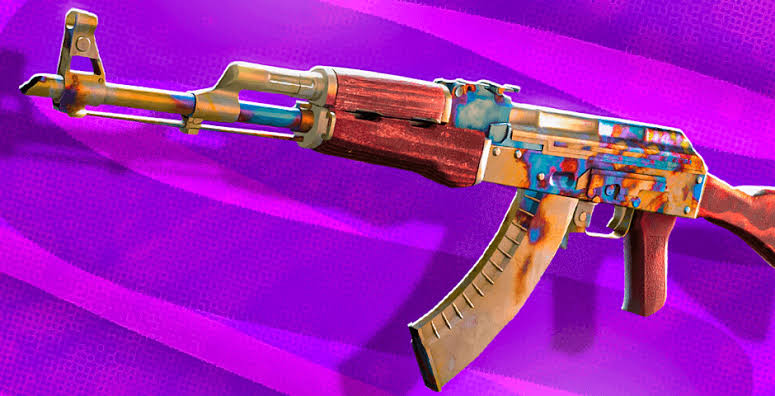
Skins do much more than change the appearance of your weapons. They let players express their style, stand out in matches, and even build valuable collections. But with thousands of skins available, choosing the right one isn’t always easy. In this guide, we’ll explore the most popular skin designs, how they affect prices, and a few skins that are worth checking out.
What Skin Designs the CS2 Community Likes Most
Everyone has their own preferences, but some skin designs are consistently more popular than others. Here are the styles that the CS2 community tends to like the most.
Simple Designs
Simple skins often remain popular because they are easy to recognize and never feel outdated. Instead of using dozens of colors or complex patterns, they focus on a clean appearance that works with almost any loadout. Skins like the AWP Graphite and Desert Eagle Blaze have stayed relevant for years despite many newer releases. Their designs are easy to match with different knives and gloves, which makes them appealing to a wide range of players rather than a small niche.
Detailed Skins
Many players are drawn to skins that reveal more detail the longer they are used. High-quality artwork, layered textures, and unique themes can make a skin stand out without making it look too busy. The AK-47 Bloodsport and M4A4 The Emperor are good examples because they contain plenty of small design elements while still feeling balanced. These skins often remain interesting over time because players continue noticing details that are easy to miss at first glance.
Consistent Themes
Many players prefer skins that fit together instead of choosing every item separately. A loadout where the colors and design style follow the same theme usually looks more complete than one made up of unrelated skins. For example, combining skins with blue finishes or building an inventory around the Neo-Noir series creates a more consistent appearance.
How Skin Design Affects CS2 Skin Prices
Design plays a big role in a skin’s value, but it’s not the only factor. Let’s look at how a skin’s appearance can influence its price and what else affects its value.
Rarity Comes First
In most cases, a skin’s design is only one part of its value. Rarity, drop source, and overall availability usually have a greater impact on the price. A well-designed Restricted skin may still sell for only a few dollars if thousands of new copies enter the market every day. Meanwhile, a Covert skin with a simpler appearance can cost much more simply because far fewer of them exist. This is why many players search what CS:GO red skins trade to good knives before deciding which skins to keep or trade.
Design Can Outweigh Rarity
There are also cases where appearance has a greater influence than rarity alone. Some skins continue attracting buyers because players enjoy using them, even when similar skins with the same rarity sell for less. The AWP Hyper Beast and AK-47 Ice Coaled are good examples. Their distinctive artwork has helped them maintain strong demand, allowing them to outperform other skins from the same rarity tier. In situations like these, popularity of the design becomes the main factor behind the price.
Event Collections
Skins from operations, limited-time collections, or special events often command higher prices because their supply is naturally limited. Once an event ends, the number of available skins gradually stops increasing. As time passes, fewer copies remain on the market, especially in better conditions. The St. Marc Collection and Canals Collection illustrate this well. Many skins from these collections have appreciated over time largely because they became harder to obtain, not because they had the flashiest designs.
Three of the Best Designed CS2 Skins
With so many great skins available, it can be difficult to choose. Here are three well designed CS2 skins that are definitely worth checking out.
M4A4 Howl
The Howl shows a screaming wolf painted in red and orange flames across a dark body, and it is one of the most recognized designs in the game. It came out in 2014 inside the Huntsman Case, but Valve removed it after a copyright problem with the original artwork. All existing versions moved to the Contraband tier, the only skin ever to receive it, so no new ones can appear. The float range goes from 0.00 to 0.40, and StatTrak versions exist. Prices start around $4,000 and can pass $25,000.
Desert Eagle Printstream
The Printstream turns the pistol into a clean black and white design with pearl highlights that shine when the weapon moves. It is a Covert skin from the Fracture Case, with a chance of about 0.32% per opening. The float range goes from 0.00 to 0.80, so every wear level exists, and StatTrak versions are available. The design became so popular that Valve later made Printstream versions for other weapons. Prices go from about $50 for worn versions to over $150 for the cleanest ones.
AWP Containment Breach
The Containment Breach covers the AWP with glowing green nuclear symbols and skeleton figures on a black body, one of the most detailed designs ever put on this weapon. It is a Covert skin from the Shattered Web Case, released in November 2019, with a chance of about 0.32%. The float range goes from 0.00 to 1.00, and low float versions keep the bright green color much better. StatTrak versions exist and cost noticeably more. Prices go from about $50 for worn versions to over $500 for Factory New.
Conclusion
In this guide, we explored some of the most popular CS2 skin designs, discussed how design can influence skin prices, and highlighted three skins that stand out for their appearance. We hope this guide helps you find a skin that matches your style.
-
 Guides6 years ago
6 Proven Ways to Get more Instagram Likes on your Business Account
-
Mainstream12 years ago
BioWare: Mass Effect 4 to Benefit From Dropping Last-Gen, Will Not Share Template With Dragon Age: Inquisition
-
 Mainstream8 years ago
How to Buy Property & Safe Houses in GTA 5 (Grand Theft Auto 5)
-

 Guides2 years ago
Free Fire vs PUBG: Comparing Graphics, Gameplay, and More
-

 Guides2 years ago
50+ Free Fire ID and Passwords Login List (Giveaway) 2025
-
 Casual3 years ago
8 Ways to Fix Over-Extrusion and Under-Extrusion in 3D Printing
-

 Other2 years ago
Ajjubhai UID: Free Fire Details & Earnings
-

 Features2 years ago
Exploring Valorant eSports Stats: Unveiling the Metrics Behind Competitive Excellence