
Video Games
LoL Champions by Release Date: A Complete Timeline


League of Legends was released by Riot Games in 2009, starting with 40 initial champions. From then on, the whole game has evolved significantly and entered the realm of international esports, continuously adding new unique characters. Every champion brought new mechanics, visuals, and a story, while influencing the meta and the overall feel of the game. The study of the release time for champions offers design insights from Riot and highlights milestones that defined various eras of League of Legends.
Every release registration layer marks a step forward in the history of the game: from the initial era with famous champions like Ashe and Ryze to the distant modern day with the likes of Hwei and Naafiri. This article takes you through a full timeline of LoL champions by release date, broken down by year, so you can understand how Summoner’s Rift has been transformed through more than a decade.
Champions Released in 2009: The Beginning
- League of Legends launched with 40 champions in October 2009.
- Some of the most notable originals: Ashe, Ryze, Annie, Alistar, Fiddlesticks, Jax, Kayle, Master Yi, Morgana, Nasus, Rammus, Sivir, Teemo, Tryndamere, Twisted Fate, Warwick.
- These early champions were designed with simpler kits, focusing on clarity and accessibility.
Champions Released in 2010: Establishing the Foundation
- Riot introduced new champions monthly, creating early diversity.
- Notable releases:
- Corki (Jan 2010) – the daring bombardier.
- Shen (March 2010) – one of the first global-ultimate tanks.
- Miss Fortune (Sept 2010) – a flashy marksman with strong presence.
- Lux (Oct 2010) – a versatile mage with crowd control.
- Corki (Jan 2010) – the daring bombardier.
- 2010 showed Riot’s focus on different roles: tank, support, mage, marksman, and assassin.
Champions Released in 2011: Expanding the Roster
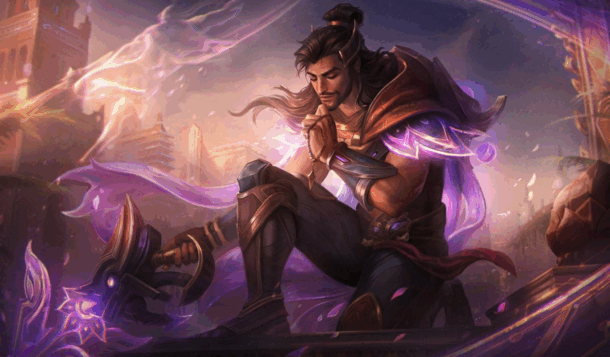
- League saw a major wave of popular champions in 2011.
- Key releases:
- Jarvan IV (March 2011) – introduced terrain-creating abilities.
- Vayne (May 2011) – a mobile, hyper-scaling marksman.
- Leona (July 2011) – a durable tank support.
- Riven (Sept 2011) – a high-mechanics champion that defined skill expression.
- Fizz (Nov 2011) – an agile assassin with playful animations.
- Jarvan IV (March 2011) – introduced terrain-creating abilities.
- By the end of 2011, the champion pool exceeded 80 characters.
Alongside champion releases, players have often looked for ways to customize their experience, with league of legends skins codes once being a popular topic among the community.
Champions Released in 2012: A Year of Creativity
- Riot experimented heavily with champion designs.
- Notable champions:
- Nautilus (Feb 2012) – a CC-heavy tank.
- Draven (June 2012) – a marksman with his unique spinning axes.
- Diana (Aug 2012) – moon-themed AP fighter.
- Syndra (Sept 2012) – power-scaling mage with her “Unleashed Power.”
- Nami (Dec 2012) – a support enchanter with strong crowd control.
- Nautilus (Feb 2012) – a CC-heavy tank.
- 2012 highlighted Riot’s move toward higher skill ceilings and diverse roles.
Champions Released in 2013: Versatility and Meta Shifts
- 2013 brought iconic champions who shaped competitive play.
- Standout additions:
- Thresh (Jan 2013) – one of the most popular supports in LoL history.
- Aatrox (June 2013) – originally designed as a darkin fighter.
- Lucian (Aug 2013) – a fast-paced ADC.
- Yasuo (Dec 2013) – infamous for his skill-based wind mechanics.
- Thresh (Jan 2013) – one of the most popular supports in LoL history.
- Riot increasingly created champions that appealed to mechanical mastery.
Champions Released in 2014–2015: Expanding the Fantasy
- 2014 highlights:
- Vel’Koz (Feb 2014) – a void mage with true damage.
- Braum (May 2014) – tanky support with protective abilities.
- Gnar (Aug 2014) – a unique form-swapping champion.
- Kalista (Nov 2014) – introduced linked ally mechanics.
- Vel’Koz (Feb 2014) – a void mage with true damage.
- 2015 highlights:
- Bard (March 2015) – highly mobile roaming support.
- Ekko (May 2015) – introduced time-manipulation mechanics.
- Kindred (Oct 2015) – dual spirit champions with thematic ultimate.
- Bard (March 2015) – highly mobile roaming support.
Champions Released in 2016–2017: Complex Mechanics Rise
- 2016:
- Aurelion Sol (March) – cosmic star dragon.
- Taliyah (May) – a stone-weaving midlaner.
- Camille (Dec) – mechanical precision fighter.
- Aurelion Sol (March) – cosmic star dragon.
- 2017:
- Xayah and Rakan (April) – the first designed duo champions.
- Kayn (July) – transformation mechanic between assassin and bruiser.
- Ornn (Aug) – a tank who forges items mid-game.
- Xayah and Rakan (April) – the first designed duo champions.
While looking at champions over the years, it’s also interesting to know how long is a league of legends game on average, since match length has influenced champion design and gameplay pacing.
Champions Released in 2018–2019: Expanding Identities

- 2018:
- Kai’Sa (March) – an adaptive marksman.
- Pyke (May) – assassin support.
- Neeko (Dec) – a trickster with disguise mechanics.
- Kai’Sa (March) – an adaptive marksman.
- 2019:
- Sylas (Jan) – ability theft mage.
- Yuumi (May) – attached support with unique playstyle.
- Qiyana (June) – terrain-based assassin.
- Aphelios (Dec) – complex marksman with weapon system.
- Sylas (Jan) – ability theft mage.
Champions Released in 2020–2021: Innovation and Lore Expansion
- 2020:
- Sett (Jan) – powerful brawler.
- Lillia (July) – dreamy jungler.
- Yone (Aug) – long-awaited brother of Yasuo.
- Samira (Sept) – stylish combo ADC.
- Seraphine (Oct) – pop-idol inspired support/mage.
- Sett (Jan) – powerful brawler.
- 2021:
- Viego (Jan) – Ruined King, lore-heavy champion.
- Gwen (April) – doll-turned fighter.
- Akshan (July) – marksman with a revive mechanic.
- Viego (Jan) – Ruined King, lore-heavy champion.
Champions Released in 2022–2023: Modern Design Standards
- 2022:
- Zeri (Jan) – high-mobility ADC.
- Bel’Veth (June) – void queen fighter.
- Nilah (July) – melee ADC.
- Zeri (Jan) – high-mobility ADC.
- 2023:
- Milio (March) – gentle flame support.
- Naafiri (July) – assassin with a pack mechanic.
- Briar (Sept) – hunger-driven berserker.
- Milio (March) – gentle flame support.
Champions Released in 2024–2025: The Latest Additions
- 2024:
- Smolder (Jan) – young dragon ADC.
- Hwei (Dec) – painter mage with flexible spells.
- Smolder (Jan) – young dragon ADC.
- 2025:
- Riot has teased continued expansion with at least one new champion per role. Updates continue to refine balance between complexity and accessibility.
- Riot has teased continued expansion with at least one new champion per role. Updates continue to refine balance between complexity and accessibility.
Alongside new champion releases, the league of legends mmr system has also shaped how players progress and face opponents, ensuring matches stay balanced over time.
Champion Releases by Role
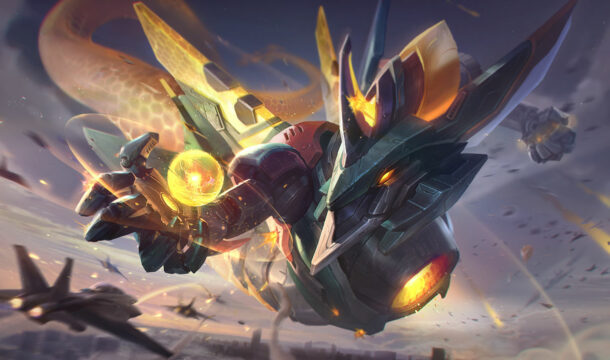
One of the more interesting aspects within the history of League of Legends champions is how Riot Games have balanced the release of champions across the various roles. Since the beginning, it was known that the game needed a healthy representation of tanks, supports, mages, assassins, and marksmen just to keep things varied.
- 2009–2012: The early years were chiefly concerned with establishing the five core roles. Throughout this era, many champions were mages and fighters like Ryze, Morgana, and Diana, to allow some depth for mid-lane and jungle roles. Supports such as Nami and tanks such as Shen also emerged, giving early variation to roles.
- 2013–2016: Riot began looking into complex mechanics but also tried to fill any gaps left by different roles. Thresh became one of the most iconic supports, while Lucian gave the ADC pool a real fill. Camille, Taliyah, and Aurelion Sol gave the solo lane some high-skill antiseptic.
- 2017–2020: The peculiar combinations of roles started in these years. Xayah and Rakan became a marksman-support duo, Kayn brought transformation to the jungle, whereas Sett and Samira became very different representations of styles on the top and bot lane. Here clearly defining innovations in roles were initiated.
- 2021–2025: Besides the contemporary few, there are many who have complexity. Milio and Seraphine added creative support options, Viego and Briar pushed the jungler role into the spotlight, while Smolder gave bot-lane players a fresh dragon-themed marksman.
Overall, Riot has consistently ensured that no single role is neglected, with each era bringing new champions to every position. This balance keeps both casual and competitive players engaged, as every lane continues to feel fresh with new picks.
Evolution of Champion Design Over Time
- Early champions were simpler and easy to understand.
- Mid-era champions introduced unique mechanics like form swapping, terrain creation, and duo synergy.
- Modern champions focus on high complexity, lore integration, and diverse playstyles, showing Riot’s push toward depth.
FAQs
Q1: How many champions does League of Legends currently have?
There are 165+ champions in League of Legends as of August 2025, with more released each year.
Q2: Who was the first champion in LoL?
Since the game launched with 40 champions in 2009, a whole slew of champions can arguably take on the title of “first.” Singed is generally considered to be the first champion due to being the earliest designed champion.
Q3: Which is the latest champion to be released in LoL?
Latest champion: Hwei (December 2024), more planned for 2025.
Q4: Which year saw the most champion releases?
Highest growth occurred in the early years (2010-2012), with upward of 20+ champions released in any given year.
Q5: How does Riot decide release order for the Champion?
Riot balances the needs of filling role gaps, exploring new mechanics, and fleshing out lore across the various regions of Runeterra.
Alongside keeping track of champions’ release dates, many players also look at league ranks in order to understand the competitive progression within the game.
Conclusion
The release history of League of Legends champions is an account that traces the transition from a modest roster of 40 champions in 2009 to a formidable one of over 165 champions by 2025. Each great time period marked a respective design philosophy of Riot; from very simple champions with basic mechanics to extremely complex characters with complicated abilities and lore connections. Thus promising more innovation with yet more champions coming, and in fact, ensuring Summoner’s Rift will continue to evolve for players from all walks of life.
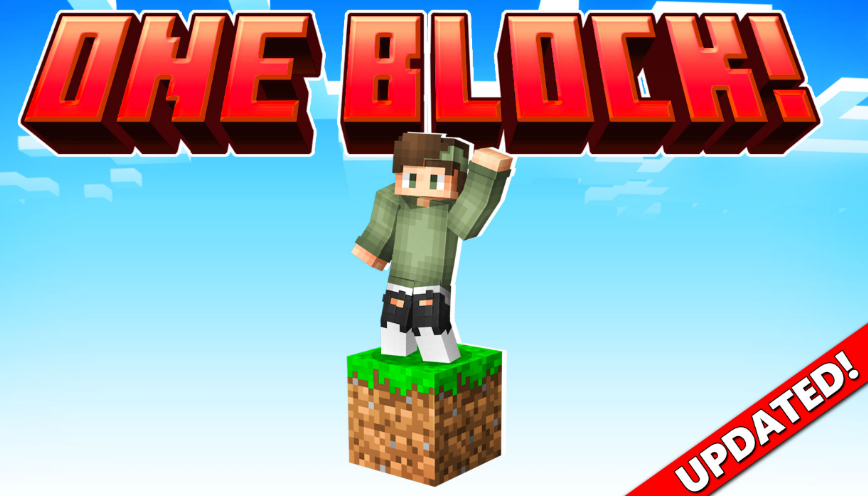
Minecraft is known for giving players endless freedom to create, explore and survive. However, starting a new world can sometimes feel overwhelming, especially when the available resources are limited. One Block survival maps add an extra challenge by changing the traditional Minecraft experience. Instead of exploring a large world from the beginning, players start with a single block and must carefully use every resource they receive.
The popular One Block by Dodo Studios experience for Minecraft Bedrock introduces players to this unique survival concept. While the idea may seem simple, many new players quickly discover that success requires planning, patience and smart decision-making.
Rushing Through The First Stages Too Quickly
One of the most common mistakes beginners make in One Block Minecraft Bedrock is progressing too quickly without preparing their surroundings. Since almost every block can provide important resources, breaking blocks without thinking about what comes next can create unnecessary challenges.
New players often focus only on collecting materials instead of building a safe and organised starting area. Creating storage, setting up basic tools and making sure there is enough space to expand can make a significant difference later in the game.
A good strategy is to treat the first stages as a preparation phase. Even simple improvements, such as creating platforms and organising resources, help players avoid losing valuable items or running into problems when new challenges appear.
Forgetting The Importance Of Resource Management
Another mistake many beginners make is using resources without considering future needs. In a traditional Minecraft world, players can usually travel to new areas to collect missing materials. In One Block gameplay, every resource has more value because progression depends on the blocks that appear.
Players should think carefully before crafting items or using rare materials. Building too many unnecessary objects early on can slow down progress and make later stages more difficult.
Learning how to manage limited resources is one of the most rewarding parts of this type of Minecraft challenge. It encourages players to plan ahead and understand the importance of every decision they make.
Missing Opportunities To Explore New Minecraft Experiences
Many Minecraft players enjoy survival mode because it allows them to create their own goals. However, custom maps and Marketplace content can introduce completely new ways to play. Exploring additional experiences is a great way to discover challenges that are different from the standard Minecraft formula.
Players looking for new adventures can visit Minecraft Bedrock Marketplace to discover a wide range of worlds, add-ons and creative projects. These experiences allow players to try different gameplay styles while keeping the familiar Minecraft foundation.
One Block-style challenges are a good example of how small changes can completely transform the way players approach the game. Instead of simply collecting materials and building freely, players must think strategically and adapt to unexpected situations.
Minecraft continues to remain popular because it gives players the freedom to create their own adventures. Whether someone is new to survival gameplay or an experienced builder looking for a fresh challenge, custom worlds and add-ons offer countless possibilities.
Avoiding common beginner mistakes can make the One Block experience more enjoyable and rewarding. With better planning, careful resource management and a willingness to explore new content, players can turn a single block into the foundation of an impressive Minecraft world.
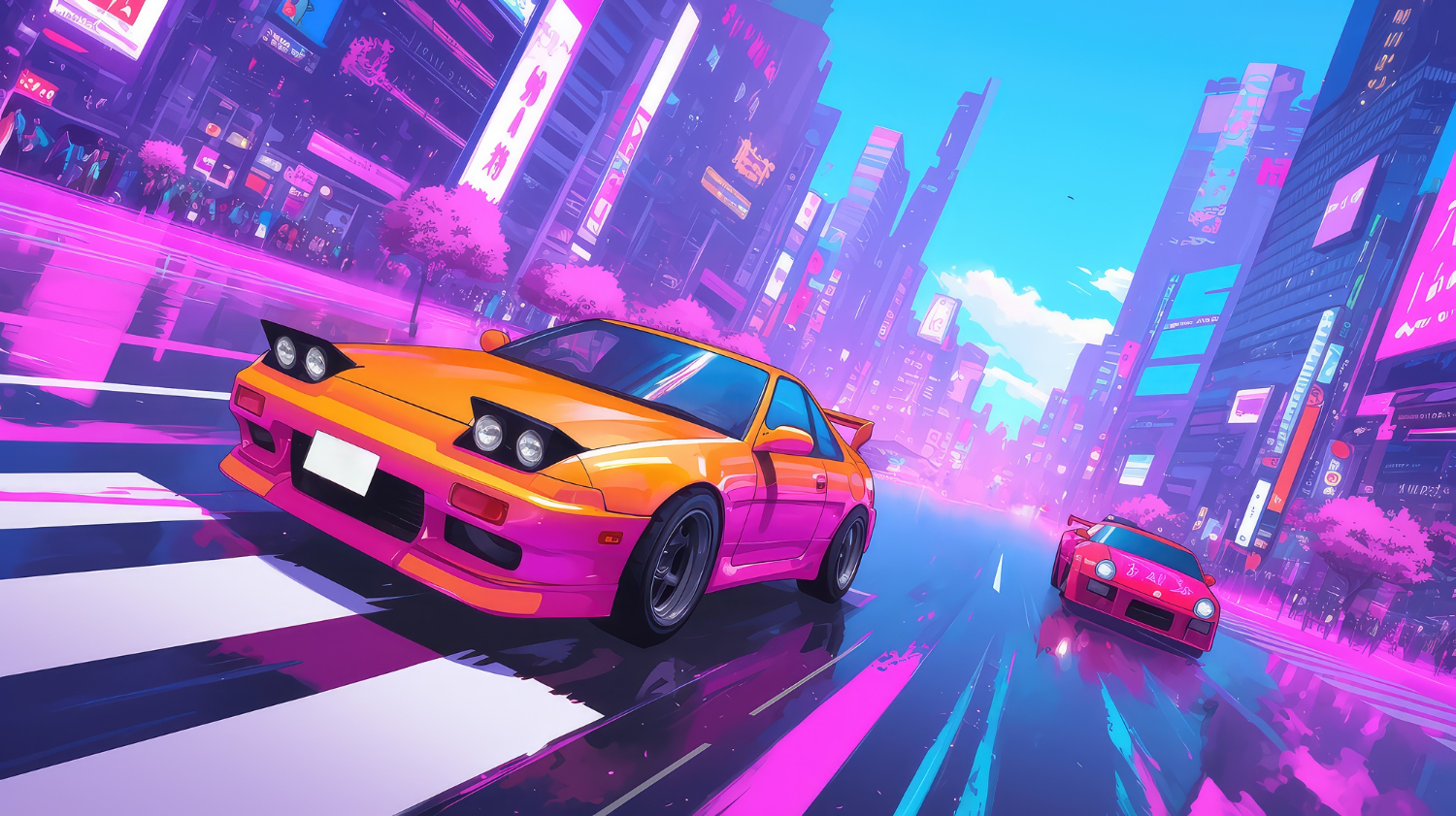
Drifting turns ordinary racing into something much more dynamic. Instead of simply following the fastest line around a track, players have to manage steering, acceleration, braking, and momentum while deliberately sending the car sideways through corners. The result is a style of racing that rewards timing and control while still being accessible to players looking for quick entertainment.
One of the biggest advantages of modern browser racing games is convenience. There is no need to install a large game client or spend time configuring complicated settings before getting behind the wheel. With a compatible browser and an internet connection, players can jump into a drifting challenge within minutes. For those looking for a collection of accessible titles, try the top free drifting games at the Drift Games Hub, where different styles of online drifting can be explored in one place.
Whether you prefer realistic handling, arcade-style action, obstacle courses, or score-based challenges, these 10 types of browser-based drifting games offer plenty of sideways racing fun.
1. Realistic Drift Simulators
For players who want to concentrate on technique, realistic drift simulators provide a more detailed driving experience. These games often give greater importance to vehicle weight, steering response, acceleration, and traction.
The objective is not simply to turn the car sharply and hold the accelerator. Successful drifting requires players to find the right balance between throttle and steering. These games can be particularly enjoyable for people who want to practice smooth transitions and controlled slides.
2. City Street Drifting Games
City-based drifting games put the action on urban roads surrounded by buildings, intersections, tunnels, and other obstacles. Their environments can make each corner feel different from the last.
Many of these games combine drifting with traditional checkpoint racing. Players need to maintain speed while avoiding barriers and staying on course. The compact layouts also make them suitable for short gaming sessions when you want a quick race rather than a lengthy campaign.
3. Mountain Drift Challenges
Mountain roads are naturally suited to drifting because they are filled with sharp bends and changes in direction. Browser games built around these environments usually emphasize precision and cornering.
A narrow road leaves less room for mistakes, so players have to judge their speed before entering each turn. Holding a long slide without touching the barriers can become a challenge in itself. These games are especially appealing to players who enjoy technical courses rather than wide racing circuits.
4. Drift Score Attack Games
Not every drifting game needs to be about finishing first. Score attack titles make the quality and length of your slides the central objective.
Players typically earn points for maintaining drifts, linking multiple corners, or achieving impressive angles. This creates a different kind of competition because the fastest route is not always the most rewarding one. A slower but longer controlled slide can sometimes produce a much higher score.
5. Stunt and Obstacle Drifting Games
Some online drifting games combine racing with stunt-based gameplay. Instead of simply navigating conventional tracks, players may encounter ramps, barriers, platforms, jumps, and unusual layouts.
These games are often more forgiving and arcade-oriented than realistic simulators. Their appeal comes from experimentation. Players can attempt dramatic slides, discover shortcuts, and figure out how to handle unusual obstacles while keeping the car moving.
6. Traffic Drifting Games
Traffic-based drifting games introduce another challenge: other vehicles. Players have to maintain control while navigating roads populated with moving cars.
The presence of traffic changes the rhythm of a drift. A corner that looks easy can suddenly become difficult when another vehicle occupies the ideal racing line. These games reward anticipation because players need to think about both the upcoming turn and the surrounding traffic.
7. Drift Racing Games With Car Customization
Customization can make an online drifting game feel more personal. Some browser titles allow players to change the appearance of their vehicles, while others provide upgrades that affect performance.
Visual customization might include different paint jobs, wheels, body styles, or other cosmetic details. Performance-focused games can go further by allowing adjustments to handling or acceleration. This adds another layer to the experience because players can experiment with different setups before returning to the track.
8. Time-Trial Drift Games
Time trials combine the technical nature of drifting with the pressure of the clock. Players must complete a course as quickly as possible while maintaining enough control to avoid costly mistakes.
The challenge is finding a balance between speed and precision. Entering a corner too aggressively can cause a spin or collision, while being overly cautious can result in a slow finish. Replaying the same course can therefore become part of the fun as players gradually improve their route and timing.
9. Multiplayer-Inspired Drift Competitions
Some browser-based racing games are designed around competitive features, leaderboards, or multiplayer-inspired challenges. Even when players are not directly racing against opponents in real time, rankings can provide an additional reason to keep practicing.
A leaderboard turns a simple drift into a personal challenge. After learning the track, players can attempt to improve their score, reduce their completion time, or achieve a longer uninterrupted slide. This format works particularly well for short online sessions because every attempt can produce a new target.
10. Casual Arcade Drifting Games
Sometimes the best choice is simply a game that is easy to understand and fun from the first attempt. Casual arcade drifting games typically use straightforward controls and exaggerated driving physics.
These titles are ideal when you do not want to spend time learning complicated mechanics. You can start a race, learn the basic controls, and begin experimenting with corners almost immediately. Their simple approach also makes them suitable for players who are new to drifting games.
What Makes a Browser Drifting Game Fun?
The strongest online drifting games tend to combine accessible controls with mechanics that reward practice. A game can be simple to start but still provide enough depth for players to improve over multiple attempts.
Track design is another important factor. A collection of interesting corners, changing road widths, obstacles, and different environments can make a game much more replayable. Vehicle handling also matters because drifting should feel responsive rather than completely random.
Most importantly, browser-based games benefit from keeping the experience convenient. When a player can open a page, select a car, and start drifting without a lengthy setup process, it becomes much easier to fit a few races into a break or casual gaming session.
Finding Your Next Online Drifting Challenge
Drifting games come in many forms, from technical mountain-road simulators to fast arcade races and score-based challenges. Some are designed around precision, while others focus on stunts, customization, or simply creating entertaining slides.
The variety is what makes browser-based drifting particularly appealing. You can try a realistic driving challenge when you want to concentrate on technique, then switch to a more casual arcade game when you want something faster and less demanding.
With so many online options available, there is always another corner to master, another score to beat, or another track to explore. All you need is a browser, a few minutes to spare, and a willingness to put your car sideways.
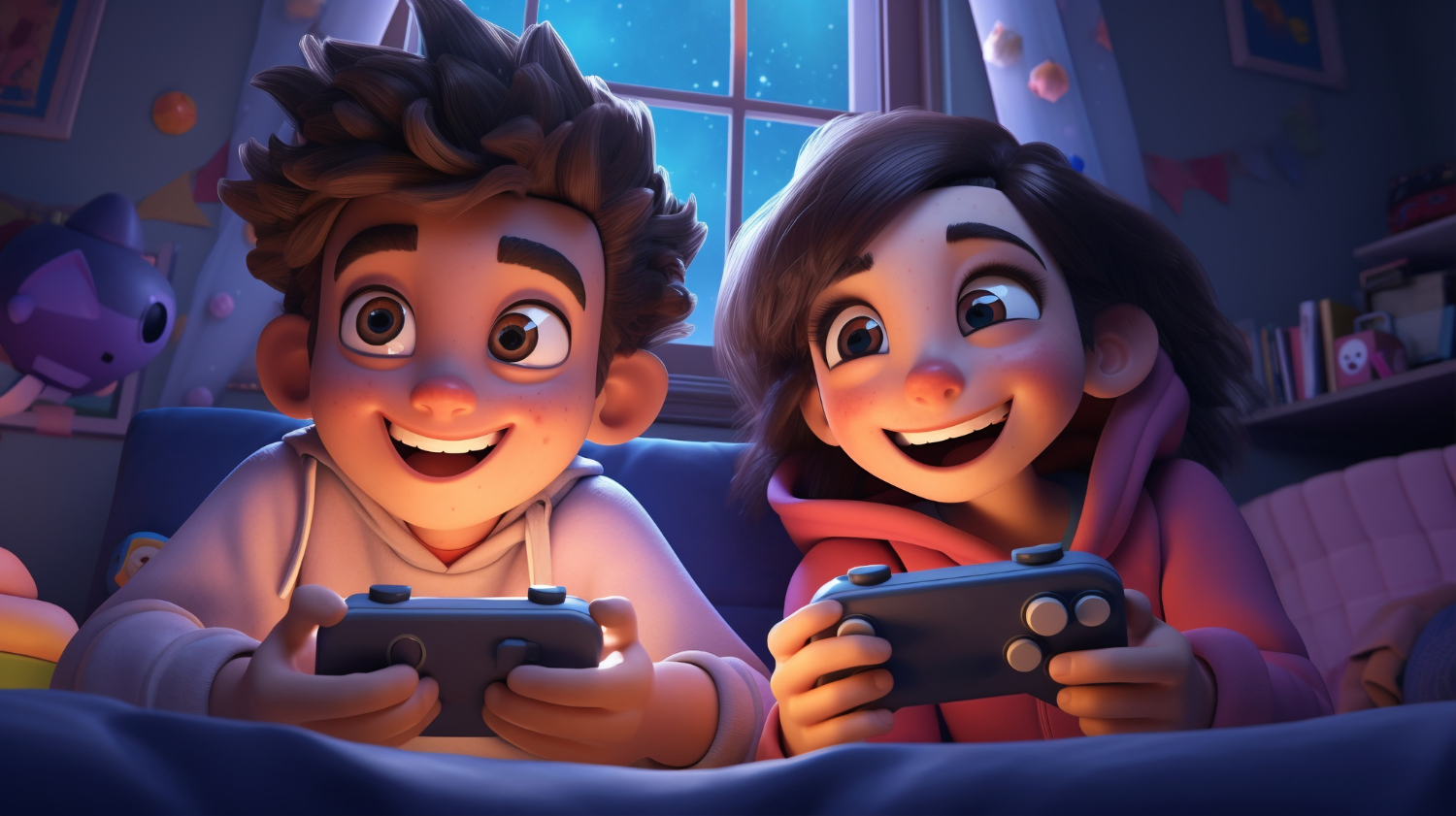
The perfect home setup can seem like the condition for taking games seriously: a permanent screen, familiar purchases, and every device within reach. That view misses what a trip can add. Playing abroad puts a familiar hobby next to local conversations, public spaces, and retail displays, so a short session can become a firsthand encounter with another gaming culture. The value comes from attention to place, not from treating travel as a method for changing rules.
Local arcades, game shops, conventions, cafés, esports spaces, and multilingual communities give play a setting that a desk at home cannot reproduce. They can also broaden a player’s sense of online participation, including discussions around game-related earning activity. A resource on how to make money online fits this travel lens when treated as part of international communities and events that reveal how people connect games with online opportunities, rather than as a detached shortcut.
Travel as Cultural Discovery, Not a Region Switch
Travel can reveal local release calendars, physical editions, regional promotions, and the games that receive visible attention in a particular market. It cannot promise earlier access or a different catalogue, because publishers and platforms set availability and release timing by region. The useful move is cultural discovery: browse displays, listen to conversation, and visit public gaming spaces when they are available. Those observations give a trip texture without turning geography into an account workaround.
A game that has been available at home may take on a different character when local players recommend it, discuss it, or display it prominently in stores. Keep three situations separate: playing an existing library abroad, buying a product in another country, and changing an account’s store region. Steam lets existing users keep seeing home-country prices and shop as usual while traveling. A store-country change is intended for people who have moved or live abroad for an extended period; it needs a payment method from that country and is generally limited to once every three months. PlayStation account country or region is selected at creation and cannot be changed later.
Choosing Digital Products With Account Context
Players can buy digital games through official platform stores or digital marketplaces. Eneba offers game keys and gift cards within a broad digital catalogue, while listing details can identify the relevant region and platform for a purchase.
Those details support smart product selection during a trip. Match a purchase to the account country, platform, and activation rules before checkout. PlayStation voucher codes must match the account’s country or region for activation, and some add-ons may not work with a physical game from another region. For physical editions, the relationship between the game’s region and an add-on deserves the same attention. This preparation keeps a purchase aligned with the account already in use.
Publisher and platform rules also determine DLC and preorder availability, so travel is no promise of content ahead of its stated release. The better travel setup values flexibility over a perfect room. A laptop, handheld, console already available at the destination, or a reliable existing account can keep gaming connected to the trip, depending on the game. Digital marketplaces like Eneba offer deals on digital products as a practical part of that travel toolkit.
-
 Guides7 years ago
6 Proven Ways to Get more Instagram Likes on your Business Account
-
Mainstream12 years ago
BioWare: Mass Effect 4 to Benefit From Dropping Last-Gen, Will Not Share Template With Dragon Age: Inquisition
-
 Mainstream8 years ago
How to Buy Property & Safe Houses in GTA 5 (Grand Theft Auto 5)
-

 Guides2 years ago
Free Fire vs PUBG: Comparing Graphics, Gameplay, and More
-

 Guides2 years ago
50+ Free Fire ID and Passwords Login List (Giveaway) 2025
-
 Casual3 years ago
8 Ways to Fix Over-Extrusion and Under-Extrusion in 3D Printing
-

 Other2 years ago
Ajjubhai UID: Free Fire Details & Earnings
-

 Features2 years ago
Exploring Valorant eSports Stats: Unveiling the Metrics Behind Competitive Excellence