
Business
Conquer the Digital Toolbox: A Home Improvement Pro’s Guide to Online Marketing Success


In the not-so-distant past, home improvement businesses thrived on word-of-mouth referrals and the occasional ad in the local newspaper. But times have changed. Today’s homeowners are tech-savvy, turning to their smartphones and laptops to research contractors, compare prices, and read online reviews before making a decision. This shift towards digital means that even the smallest mom-and-pop operation needs a strong online presence to stay competitive.
The good news is, the internet has leveled the playing field. It’s no longer about who has the biggest advertising budget; it’s about who has the smartest digital marketing strategy. By understanding the fundamentals of search engine optimization (SEO) and implementing effective online marketing tactics, even small businesses can punch above their weight and attract a steady stream of qualified leads.
Building Your Online Basecamp
Utilizing home improvement SEO strategies might sound like a complex digital puzzle, but it boils down to a simple goal: making sure your business pops up when potential customers search for the services you offer. Imagine a homeowner in your area with a leaky pipe. What are they most likely to do? Grab their smartphone and search for “plumber near me” or “emergency plumbing services”. If your website isn’t optimized for these types of searches, you’re essentially invisible to those customers who are actively seeking your help.
This is why SEO is so crucial for home improvement businesses. Homeowners facing a plumbing issue, a damaged roof, or a pest infestation don’t have the luxury of browsing through endless pages of search results. They need immediate solutions, and your website needs to be at the top of those results to capture their attention.
Regardless of your specific trade, there are some foundational SEO steps that every home improvement business should take. Start by claiming and optimizing your Google Business Profile (formerly Google My Business). This free listing allows you to manage how your business appears in Google searches and Maps, ensuring potential customers have accurate contact information and hours of operation.
Consistency is key: make sure your business name, address, and phone number are consistent across all online platforms, from your website to your social media profiles. This builds credibility and makes it easier for search engines to associate your business with relevant search terms.
The HVAC Pro’s Digital Tune-Up
Ready to crank up your HVAC business’s online presence? The key is to start with a focused and actionable plan. Forming a helpful HVAC digital marketing checklist to do right now can be your first step towards success, guiding you through the essential stages to boost your visibility and attract more customers.
Begin by targeting the right keywords. Generic terms like “furnace repair” or “air conditioning” are highly competitive. Instead, get specific to your service area and offerings. Think “emergency furnace repair in [your city]” or “AC tune-up specials in [your neighborhood].” By tailoring your keywords to the searches potential customers in your area are actually conducting, you increase the chances of your website appearing at the top of relevant results.
Content marketing plays a crucial role in establishing your expertise and building trust. Think of your website’s blog as an opportunity to answer common questions before customers even pick up the phone. Craft informative articles or videos on topics like “How to Choose the Right Air Filter for Your Home” or “5 Signs Your AC Needs Repair.” By offering valuable advice, you not only attract potential customers through search engines but also position yourself as a knowledgeable resource.
Don’t underestimate the power of social media for HVAC businesses. Platforms like YouTube and Facebook can be powerful tools for showcasing your expertise and connecting with your community. Consider creating short “how-to” videos on simple maintenance tasks, sharing before-and-after photos of your projects, or even offering virtual consultations to answer questions and address concerns. By being active and engaged on social media, you can build brand awareness and trust, which ultimately translates into more leads and higher conversion rates.
Roofing Marketing: Beyond the ‘After’ Photo
While impressive before-and-after photos of completed projects remain actual in roofing marketing ideas, the digital age demands a more nuanced approach. While those shiny new roofs might capture initial attention, they don’t tell the whole story. To truly connect with potential clients and differentiate your company from the competition, you need to delve deeper.
Sharing compelling case studies that showcase your expertise and problem-solving skills can be incredibly impactful. Highlighting unique challenges you’ve encountered, such as intricate roof designs or unusual materials, demonstrates your capabilities and reassures potential clients that you can handle their specific needs. Client testimonials add another layer of authenticity to your marketing efforts. Allowing satisfied customers to share their positive experiences in their own words builds trust and credibility.
Partnering with local real estate agents can be a mutually beneficial strategy. They often encounter homeowners who need roof repairs or replacements, and your expertise can be a valuable asset to their clients. By offering referral incentives or even co-hosting informational webinars, you can forge strong relationships within your community and gain access to a steady stream of qualified leads.
Finally, don’t underestimate the power of local SEO. Optimizing your website for keywords like “roofers near me” or “roofing companies in [your city]” ensures that your business appears prominently in search results when homeowners in your area are actively seeking roofing services.
The Pest Control Playbook
Pest control isn’t a year-round concern for most homeowners, which means learning about specifics of pest control SEO is required for successful marketing. Searches for “pest control” services often spike during specific seasons. Think about it: you’re more likely to worry about tick prevention in the spring, mosquito control in the summer, and mice infestations as the weather turns cold. Understanding these seasonal trends is crucial for tailoring your content to address the most pressing concerns of potential customers at any given time.
For many people, dealing with a pest infestation is an emotional experience. It can trigger feelings of anxiety, disgust, and even fear. This is where content marketing plays a crucial role in not just attracting clients, but reassuring them. Instead of solely focusing on advertising your extermination services, offer helpful information that empowers homeowners to take preventive measures. Blog posts on identifying common pests, tips for keeping rodents out of your home, or natural remedies for insect control show you understand their concerns and are invested in their well-being.
In the pest control industry, online reviews are worth their weight in gold. When dealing with an infestation, people want fast, effective solutions. Positive reviews on platforms like Google and Yelp build trust quickly, assuring potential customers that your company has a proven track record of success.
Measuring Your Wins
It’s tempting to measure your digital marketing success by the number of likes, shares, or followers you accumulate on social media. While these “vanity metrics” might feel good, they don’t necessarily translate into real business growth. For home improvement companies, the true measure of success is the number of qualified leads and booked jobs generated by your online efforts.
Don’t get lost in a sea of clicks and impressions. Instead, focus on tracking the metrics that truly matter to your bottom line. How many visitors to your website actually fill out your contact form or call to schedule an estimate? How many of those leads turn into paying customers? By carefully tracking these conversions, you can gain valuable insights into which marketing channels are most effective, which types of content resonate with your audience, and ultimately, what’s driving your business forward.
While the world of website analytics can be intimidating, there are user-friendly tools available to help you track your progress without getting bogged down in technical details. Google Analytics, for example, provides a wealth of information about your website traffic, including where visitors are coming from, which pages they’re viewing, and how long they’re staying on your site. By setting up conversion tracking, you can even see which marketing efforts are directly resulting in leads and sales. Other platforms offer simplified dashboards and reports tailored to the needs of small businesses, making it easier than ever to harness the power of data and make informed decisions about your marketing strategy.
When to Get Expert Help
While the initial stages of home improvement SEO can be handled in-house, there comes a point when seeking professional guidance becomes a wise investment. If you’ve diligently implemented the basic steps of SEO, like optimizing your website and Google Business Profile, but aren’t seeing the desired results, don’t despair. It could simply mean your business needs a more comprehensive and tailored approach. Similarly, if the thought of managing a blog, crafting social media posts, or analyzing complex website data makes you want to pull your hair out, it’s okay to admit you need help.
When searching for a marketing partner, it’s crucial to find an agency with a deep understanding of the unique challenges and opportunities faced by home improvement businesses. A generic marketing agency might have experience with e-commerce or retail, but they won’t grasp the nuances of the construction industry. Look for a company that specializes in home services marketing. They’ll understand the seasonal fluctuations in demand, the importance of local SEO, and the specific types of content that resonate with homeowners.
Conclusion: Building Your Digital Empire
Building a powerful online presence for your home improvement business is a journey, not a destination. SEO isn’t a magic wand you wave once to achieve instant success. It’s an ongoing process that requires patience, consistent effort, and a willingness to adapt to the ever-changing digital landscape. But the rewards are well worth the investment. By staying committed to your SEO strategy, you can steadily climb the search engine rankings, attract a consistent flow of qualified leads, and establish your business as a trusted authority in your local market. Don’t be afraid to seek out additional resources and guidance as you navigate this digital journey. There are several industry-specific blogs and podcasts that offer valuable insights and advice on how to optimize your online presence. Resources like Comrade Digital Marketing blog can help you stay up-to-date on the latest trends, learn from the successes (and failures) of others, and ultimately build a thriving online empire that sets your home improvement business apart from the competition.


The loudest recommendation rarely accounts for the details that shape a satisfying evening of play. A game can earn praise for its visuals or reputation yet still miss the mark when it is unavailable on a preferred system, hard to follow in a player’s language, or built around commitments that do not suit their schedule. A smarter shortlist starts with personal fit and lets attention online come later.
Begin by writing down two non-negotiables before browsing trailers or rankings. They might be access on a particular platform and a preference for solo sessions, or language support and cooperative play with friends. That small filter turns broad recommendations into useful candidates. It also gives purchases a practical context, including optional in-game items found through guides like Best Website to Buy Cheap Marvel Rivals Lattice.
Platform and language set the foundation
Platform access is the first firm test for any recommendation. Marvel Rivals is officially listed for PlayStation 5, PlayStation 5 Pro, PlayStation 4, Windows, and Xbox Series X|S, while its official FAQ identifies Steam, PlayStation, Xbox, Epic Store, and Loading Bay as access points. Language deserves the same attention: Steam lists 16 supported interface languages, with English, Simplified Chinese, and Japanese marked for full audio, while other languages have interface and subtitle support.
Official platform stores and reputable digital marketplaces are both sensible places to buy games. Eneba is one strong marketplace option when choice spans platforms and regions: its product pages can show platform and regional information, while its merchants are verified. That helps buyers select an item aligned with their account and intended region. Checking listing details before purchase keeps the decision connected to the same fit-first approach used for choosing the game.
Time, features, and social preferences complete the shortlist
Time fit deserves equal weight. A short available window calls for something easy to enter and leave, while a player with a longer block may welcome an extended campaign segment or planned session with friends. Regular coordination can be rewarding, but it should match the rhythm a player can realistically maintain. This filter keeps a recommended title from becoming an attractive idea that sits unused.
Genre labels offer only a rough outline, so features deserve direct attention. Marvel Rivals, for example, is a free-to-play team-based PvP shooter centered on fast-paced 6v6 combat. Its Team-Up abilities and destructible environments point to active multiplayer play rather than quiet solo exploration. The official FAQ also says friends can play across supported platforms when on the same server, and players can select the server with the lowest latency for matchmaking.
Hidden gems and familiar releases both benefit from the same final check. Read platform listings, review language options, and confirm current availability after the shortlist is in place. Then compare each choice against the non-negotiables instead of treating popularity as a verdict. This process gives recommendations a clear purpose, even when several games initially sound appealing.
The best next game is the one whose platform, language, time demands, and features fit real play habits. That perspective also brings clarity to purchases, because the product selected has a defined role in the player’s plans. Digital marketplaces like Eneba can support that process by offering deals on games, gaming top-up, and more, alongside product pages where platform and regional information can guide a suitable choice.
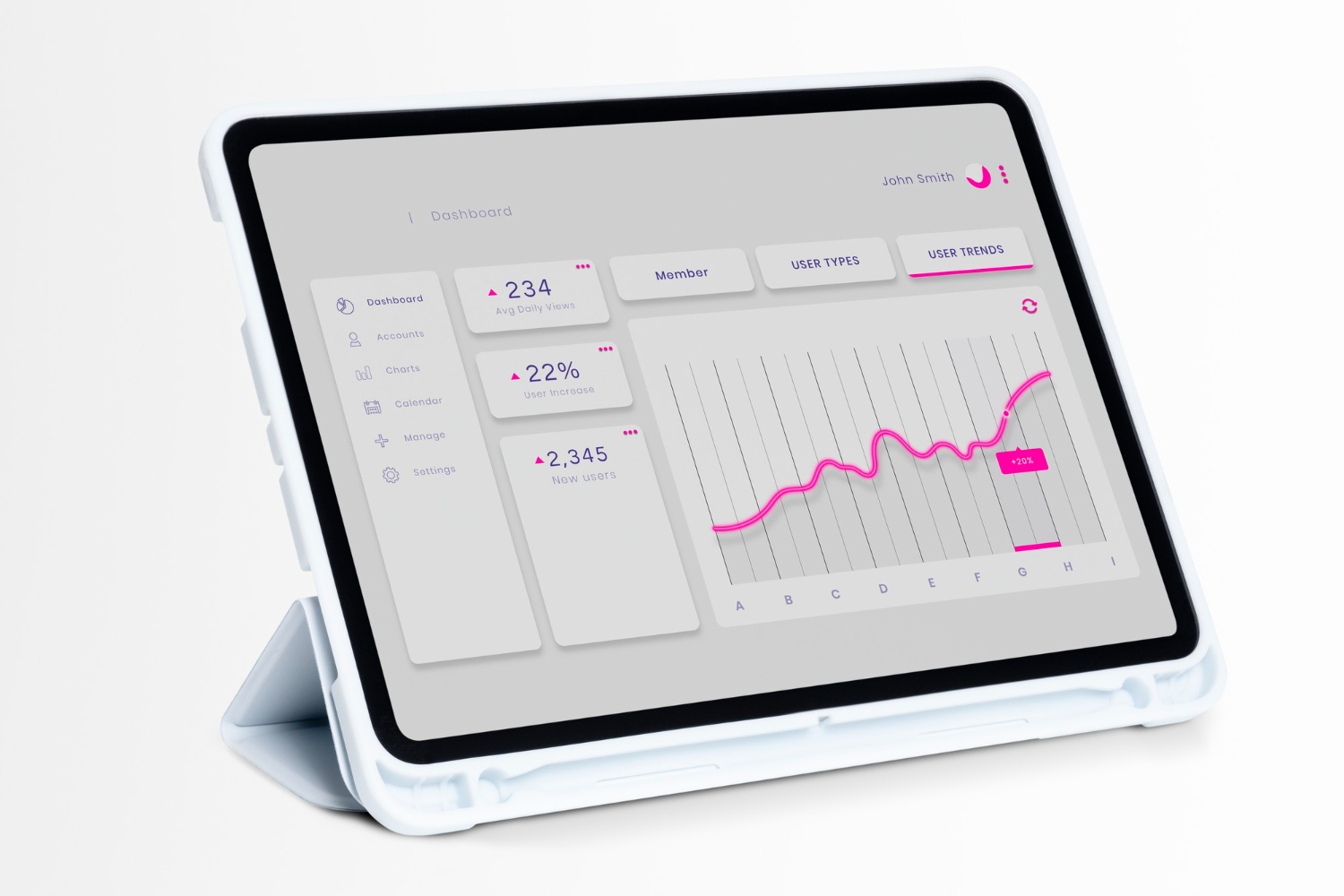
In the rapidly evolving landscape of digital marketing, selecting the right analytics platform is crucial for data-driven decision-making. Marketers are increasingly relying on advanced tools to gain insights into customer behavior, optimize campaigns, and improve overall performance. This guide delves into evaluating SearchAtlas, an analytics platform, by exploring its features, performance metrics, and integration capabilities. We’ll also compare it with other analytics platforms to highlight its competitive advantages.
Analytics Platforms Overview and Key Features
Analytics platforms are essential components of a MarTech Stack, providing marketers with the ability to track, analyze, and optimize their marketing efforts. Key features often include data visualization, API Integration for seamless data flow, and advanced Attribution Modeling to understand the impact of various channels on conversions. A robust analytics platform will also offer tools for Conversion Rate Optimization (CRO) and Behavioral Targeting to enhance user engagement.
Platforms such as searchatlas.com stand out due to their ability to integrate Real-Time Bidding (RTB) data, which is essential for programmatic advertising strategies. By leveraging a Customer Data Platform (CDP), these analytics solutions enable marketers to create detailed User Journey Mapping, offering insights into how customers interact with different touchpoints across an Omnichannel Marketing Strategy.
Evaluating SearchAtlas: Metrics and Performance
When evaluating SearchAtlas, it’s important to focus on key performance metrics such as Click-Through Rate (CTR), conversion rates, and engagement levels. SearchAtlas excels in offering real-time analytics, allowing marketers to make quick adjustments to their campaigns. The platform’s comprehensive A/B Testing Framework is another standout feature, enabling marketers to test different variables and optimize for the best results.
According to a recent analysis, companies using SearchAtlas have reported a significant improvement in lead generation and conversion rates. The platform’s advanced Lead Scoring Model helps businesses prioritize high-quality leads, improving the efficiency of their marketing efforts. To learn more, visit searchatlas.com and explore their comprehensive analytics solutions.
Comparing Analytics Platforms: Strengths and Weaknesses
When comparing analytics platforms, it’s important to consider their strengths and weaknesses. SearchAtlas offers unique advantages such as seamless integration with existing marketing tools and a strong focus on Data Enrichment. This capability enhances the quality of insights drawn from customer data, providing a competitive edge in targeting and personalization efforts.
However, other platforms may offer more specialized features for specific industries or larger datasets. Platforms focusing heavily on programmatic advertising might provide more robust Demand-Side Platform (DSP) integrations, which are crucial for advertisers aiming to scale their efforts through automated buying processes. A recent Gartner report highlights the importance of choosing a platform that matches the specific needs and scale of your marketing operations.
Integrating SearchAtlas with Existing Marketing Tools
Integrating SearchAtlas into your existing marketing ecosystem can enhance the overall efficiency and effectiveness of your campaigns. The platform’s API Integration capabilities allow for smooth data transfers between various tools and channels. This enables marketers to maintain a cohesive strategy across different platforms and ensure that all data points contribute to a unified view of customer interactions.
SearchAtlas is designed to complement other tools in your MarTech Stack, such as Customer Data Platforms (CDPs) and demand-side platforms, facilitating a more comprehensive approach to data analysis and strategy execution. By consolidating data from various sources, SearchAtlas helps marketers refine their Omnichannel Marketing Strategy, leading to better customer engagement and improved ROI.
Conclusion
Choosing the right analytics platform is a strategic decision that can significantly impact your marketing success. SearchAtlas offers a comprehensive suite of features designed to enhance data analysis and campaign optimization. By integrating seamlessly with existing tools, it empowers marketers to create more targeted and effective strategies. For businesses seeking to elevate their marketing efforts, SearchAtlas provides a robust solution that aligns with modern data-driven demands.


There’s a persistent assumption in business media that rural and small-town entrepreneurs are falling behind — that without the latest payment apps, QR-code loyalty programs, and digital storefronts, places like Paducah are simply losing ground to tech-forward competitors. That narrative deserves a harder look. For many western Kentucky businesses, the fundamentals that have always driven success — trust, familiarity, and genuine community relationships — remain far more powerful than any platform update.
The pressure to digitize is real, and it comes from multiple directions: trade publications, regional development organizations, and even well-meaning local chambers. But pressure to adopt technology isn’t the same as evidence that doing so will improve a local business’s bottom line. Paducah-area entrepreneurs are often better served by understanding which tools genuinely fit their customers rather than treating every new payment trend as an obligation.
Local Loyalty Still Beats Algorithm-Driven Traffic
Word-of-mouth in a city of roughly 27,000 people travels differently than it does in a major metro. When a locally owned hardware store or family-run diner builds a reputation over decades, that credibility isn’t something a well-funded competitor can simply replicate through app downloads and targeted ads. Community trust is slow to build and slow to erode — and that durability is a genuine competitive advantage that no algorithm can fully replicate.
Federal Reserve data reinforces this point in concrete terms. According to the Small Business Credit Survey, 53% of rural firms primarily use small community banks, compared to just 30% of urban firms — a structural difference that reflects how deeply relationship-based finance runs in communities like Paducah’s. When your banker knows your name and your business history, you’re operating in an ecosystem built on trust rather than credit scores and automated underwriting. That’s an asset, not a liability.
Where Digital Payments Are Actually Changing Habits
Digital payment adoption has undeniably expanded across all corners of American commerce. The growth is visible in restaurants, retail, and even highly specialized sectors. For instance, small-town residents aren’t restricted only to Visa and Mastercard or cash payments. Now they have digital wallets and cryptocurrencies at their fingertips. Some people use them as investment vehicles, other just buy things or play games. For instance, usdt casinos offer blockchain flexibility and security to Paducah and global users alike, with more diverse welcome deals. Stablecoins also provide faster transactions than bank cards.
And yet, cards and cash are still not dying out. According to the Federal Reserve’s Consumer Payments Study, 78% of U.S. consumers still used cash in 2024, making it the most frequently used payment method — ahead of credit cards at 70%. For a Paducah diner or neighborhood pharmacy, that figure is meaningful. Customers who prefer cash are not a shrinking edge case. They represent the majority of transactions at many local businesses, and accommodating them is a competitive decision, not a technological retreat.
What Paducah Businesses Can Selectively Borrow
The strongest argument isn’t anti-technology — it’s pro-strategy. Businesses that selectively adopt digital tools, matching technology to actual customer behavior rather than industry trend reports, consistently outperform those that chase every new platform. A simple card reader, a basic website with accurate hours, and a Google Business profile may deliver more return than a sophisticated loyalty app that your core customers never download.
Research from the Information Technology & Innovation Foundation supports exactly this approach — their 2025 analysis found that only about 26% of small businesses in OECD countries were actively making e-commerce sales in 2023, compared to 34% of medium-sized firms. The gap reflects a deliberate pattern: many small businesses focus their limited resources on the digital tools that genuinely solve problems rather than adopting technology for its own sake. For Paducah entrepreneurs, that framing gives permission to be selective. Accepting card payments, maintaining a consistent social media presence, and responding promptly to online reviews can be enough — without requiring investment in cryptocurrency wallets, embedded digital storefronts, or subscription-based CRM platforms built for enterprise clients.
What Paducah businesses actually have — deep local knowledge, authentic community relationships, and the ability to recognize a regular customer by name — is something that no startup can ship overnight. The right digital tools should support that foundation, not replace it. Choosing technology that fits your customers, rather than technology that impresses outside observers, is how small-town businesses stay competitive on their own terms.
-
 Guides7 years ago
6 Proven Ways to Get more Instagram Likes on your Business Account
-
Mainstream12 years ago
BioWare: Mass Effect 4 to Benefit From Dropping Last-Gen, Will Not Share Template With Dragon Age: Inquisition
-
 Mainstream8 years ago
How to Buy Property & Safe Houses in GTA 5 (Grand Theft Auto 5)
-

 Guides2 years ago
Free Fire vs PUBG: Comparing Graphics, Gameplay, and More
-

 Guides2 years ago
50+ Free Fire ID and Passwords Login List (Giveaway) 2025
-
 Casual3 years ago
8 Ways to Fix Over-Extrusion and Under-Extrusion in 3D Printing
-

 Other2 years ago
Ajjubhai UID: Free Fire Details & Earnings
-

 Features2 years ago
Exploring Valorant eSports Stats: Unveiling the Metrics Behind Competitive Excellence