
Casino
How Gaming Skills Translate to Success in Social Casino Environments


We all want to win at casino games, no matter if we play with virtual money on social casino platforms. However, winning in casino games requires a blend of skill, luck, and experience, and it is much harder than it seems.
Just because you are knowledgeable and have skills in a certain casino game, it doesn’t mean that you will win all the time. With that said, having certain skills can increase your winning chances in certain casino games, but not all.
So, does this mean that if you have more experience, and learn how to play casino games like a pro, you will increase your winning chances?
Of course. Doing something for a long time, even playing casino games will give you enough data and experience to make better decisions. You’ll also be able to manage risk in a better way, which will eventually increase your winning chances.
What Does it Take to Win in Social Casino Games
1. Strategic Thinking at Play
The world of social casinos is full of different games, and each of them requires a unique approach. First, and most importantly, being able to make rational decisions and deploy some strategic thinking is the best way to find a winning outcome.
Games like poker or blackjack are strategy games, that require navigating through a complex maze just to get to the most desired outcome. Having extensive knowledge about a certain game like blackjack, can seriously improve your strategic thinking and help you make better choices.
Strategic thinking also plays an important role in getting into the right mindset. How you approach games like poker or blackjack also plays an important role.
2. Quick Decision-Making
We all understand the rules of casino games, but being able to make a quick decision during play is an entirely different thing.
Quick decision-making can seriously boost your winning chances, but quickness is not the most important thing. You should be able to make quick, informed, and risk-managed decisions in play.
If you cannot do this at the moment, don’t stress it out. It is a process that requires a lot of experience.
3. Adaptability and Learning Curve
Being able to adapt and change your strategy and approach to a casino game can be a huge deal breaker. As we all know, not everything goes to plan in the world of casino games, and sometimes you’ll be hit hard, and you’ll be required to change your strategy or approach.
Being able to react to such changes quickly can also increase your winning chances. And the best way to do that is by being knowledgeable about the game.
Skill-Based Casino Games
Not all casino games require you to have certain skills. Most of them are entirely based on luck, and neither you nor your skills can have an impact on the outcome of the game.
On the other hand, there are certain casino games where your skill can make a huge difference, such as:
Poker: Poker is probably one of the most skill-focused casino games, where players need to use strategy, mathematical calculations, and psychology to outwit opponents and win hands.
Blackjack: Blackjack on the other hand is a game that involves both skill and luck. It is also a game where your skills or mathematical knowledge can help you beat the house by using card-counting strategies.
Video Poker: Video poker also requires knowledge, but to a certain extent, and in most cases much less than traditional poker.
Sports Betting: Yes, this is not a casino game, but worth mentioning since there is an uprising trend of sportsbooks in social casino games. Betting on sporting events requires skill in analyzing statistics and being able to come up with a certain prediction based on data.
Luck-Based Casino Games:
Slots: Slots are based on random number generators, where the outcome of every spin is totally random and it is made up by a machine.
This is purely a luck-based game, and no strategy can help you increase your winning chances. Slot games are the most popular choice, especially in social casino platforms like Huuuge Casino. If you want to browse their selection of games, click here to read more.
Roulette: Roulette is another game where the outcome is based on skill, although there are some mathematical calculations that will help you predict the probability of a certain outcome, at the end of the day, most roulette machines are powered by RNG, which means you cannot predict anything.
Baccarat: Baccarat is primarily a game of chance, where players bet on whether the banker’s hand, the player’s hand, or a tie will win. Skill plays a minimal role compared to luck.
The Impact of Gaming Skills on Social Casino Success
1. Improved Risk Administration
Gamers with a lot of experience understand risk-reward dynamics. They take a methodical approach to betting and wagering, aiming to minimize losses and maximize winnings. This risk management prowess is a crucial factor in sustained success in social casino gaming.
2. Increased Concentration and Focus
Prolonged and intensive gaming sessions develop extraordinary attention and focus. This capacity to maintain attention results in greater performance and more informed decisions in the immersive realm of social casinos, where distractions are common.
3. Community Engagement and Collaboration
Online gaming communities thrive on collaboration and camaraderie. Gamers bring this spirit of cooperation to social casino platforms, forming alliances, sharing strategies, and collectively enhancing their gaming experience.
So, in the social casino environment, there are a lot of variables that come into play when determining your winning chances.


Casino
Farms, Cafés and Cats: Why Cozy Games Are Quietly Taking Over the Gaming World
Farming sims, puzzle games and relaxing adventures are booming. Discover why “cozy gaming” became one of the biggest trends and what it says about how we.


For decades, the loudest games got the most attention. Explosions, headshots, boss battles and competitive rankings dominated the conversation. Then something unexpected happened. Millions of players started choosing games about watering crops, decorating tiny houses, running cafés and befriending talking animals. “Cozy gaming” went from a niche label to one of the most talked-about movements in the industry. Why are so many people choosing calm over chaos?
What Makes a Game “Cozy”?
There is no official definition, but cozy games usually share a few ingredients:
- Low pressure: no timers screaming at you, no permanent failure
- Gentle goals: grow, build, collect, decorate, befriend
- Warm visuals: soft colours, hand-drawn art, lots of little details
- Comforting sound: acoustic music, rain on windows, birdsong
- Player freedom: you decide the pace
The feeling matters more than the genre. A farming sim, a puzzle game or a fishing adventure can all be cozy if they leave you calmer than when you started.
Why Now?
Several trends collided at once. Busy, stressful lives made people crave digital spaces that feel safe. Remote work and long evenings at home created time for slower hobbies. And a new generation of players, many of whom never related to hyper-competitive shooters, found games that matched their tastes.
Gaming itself has also broadened. Today, “gaming” covers everything from console blockbusters to mobile puzzles, streaming, esports and online entertainment. Brands such as Casino Zoome are part of that wider digital entertainment landscape too, which is exactly why it is worth thinking about what kind of play actually makes you feel good, and setting limits on the kinds that don’t.
The Psychology of Calm Play
Cozy games tap into some deeply satisfying feelings.
Visible Progress
Watching a garden grow or a shop fill with customers gives a sense of steady achievement. Unlike real life, effort in cozy games is almost always rewarded.
Control
In a world full of uncertainty, arranging furniture exactly how you like it can be surprisingly soothing.
Routine
Many cozy games follow daily cycles: wake up, water crops, visit the village, go to bed. That rhythm becomes a small, comforting ritual.
Kindness
Characters are friendly, conflicts are small and helping others is often the main goal. It is a refreshing change from games built around defeating opponents.
Cozy Doesn’t Mean Easy
Some players assume cozy games are only for beginners. Not true. Many include complex crafting systems, deep economies, tricky puzzles and hundreds of hours of content. The difference is that difficulty is optional. You can optimise every inch of your farm or simply enjoy the sunset.
The Community Factor
Cozy gaming has created warm online communities. Players share screenshots of their homes, swap design ideas, trade in-game items and celebrate each other’s creations. Streamers who play cozy games often attract relaxed, supportive audiences, a contrast to the heated atmosphere around some competitive titles.
Cozy Gaming and Wellbeing
Many players describe cozy games as a way to unwind after work or to manage stressful periods. Short sessions before bed, a gentle puzzle with morning coffee or a weekend farming marathon can be genuinely restorative.
That said, any hobby can take over if it is not balanced. Even the calmest game can eat into sleep if “just one more day” turns into three hours. The same advice applies to every kind of screen time: notice how you feel afterwards, and set boundaries that protect sleep, work and relationships.
Popular Types of Cozy Games
- Farming and life sims: grow crops, raise animals, build relationships
- Decorating games: design rooms, houses and whole towns
- Café and shop management: serve customers at your own pace
- Gentle puzzle games: relaxing logic without time pressure
- Exploration games: wander beautiful worlds with no enemies
- Creature collectors: befriend rather than battle
How to Find Your Next Cozy Game
- Look for “relaxing” or “wholesome” tags in game stores.
- Watch a few minutes of gameplay to check the pace.
- Read community reviews focusing on mood, not just mechanics.
- Try demos where available.
- Choose by feeling: what do you want to feel after playing?
The Industry Is Listening
Big studios have noticed the trend. Cozy elements such as home building, farming and gentle side activities now appear in many mainstream games. Independent developers, meanwhile, continue to lead the way with small, heartfelt projects.
The Bottom Line
Cozy games prove that gaming doesn’t have to be loud to be powerful. They offer calm, creativity and connection in a busy world. Whether you play five minutes a day or lose entire weekends in a virtual village, the best gaming habits are the ones that leave you feeling better, not worse.

For years, voice chat was treated largely as a utility. Players used it to coordinate attacks, call out enemy positions or simply talk while playing, but the game itself rarely cared whether players could hear one another.
That is beginning to change. A growing number of multiplayer games are turning voice communication into an actual game mechanic, using distance, walls, environments and dedicated communication tools to determine who can hear whom. The result is something conventional voice chat rarely creates: unpredictability.
Conversations can be interrupted, players can become separated and someone shouting from another room may suddenly disappear from the audio entirely. In many cases, those unscripted moments become more memorable than the mechanics developers originally designed.
Speed And Simplicity Shape Online Experiences
Fast and frictionless digital experiences are becoming the norm across entertainment platforms. In online gaming, for example, services described with terms such as Trustly casino reflect the demand for quick bank-based payments and straightforward access. The same expectation increasingly applies to multiplayer games, where players want to get into the experience with as few unnecessary barriers as possible.
Big Walk Makes Conversation Part of the Game
Big Walk is one of the clearest recent examples. The cooperative adventure from House House uses proximity voice chat that changes depending on where players are standing. Voices fade with distance, echo through spaces and become muffled by walls, while walkie-talkies allow communication over longer ranges.
That system is not simply an atmospheric effect. Communication is part of how players solve problems, and when someone moves too far away, the group loses information. If players become separated, they need to find alternative ways to communicate.
House House has been particularly protective of that design. After players complained that voices could sometimes be difficult to hear, the developer increased volume levels but deliberately avoided extending the overall voice range, explaining that being unable to hear distant players is an important part of the game.
The inconvenience, in other words, is intentional.
Also Read about The Gaming Features Players Actually Care About.
Discord Solved Communication Too Well
Modern multiplayer players already have an extremely effective communication tool in Discord. A group can join a private voice channel and talk continuously regardless of what happens inside the game.
That is useful, but it also removes an entire category of potential gameplay. If four players exploring a horror game can always hear one another perfectly, becoming physically separated loses much of its tension.
Proximity chat restores that uncertainty. A player who walks around a corner may suddenly become quieter, while someone entering another building can disappear from the conversation entirely. The group then has to respond to the virtual environment rather than communicating as if everyone were sitting in the same room.
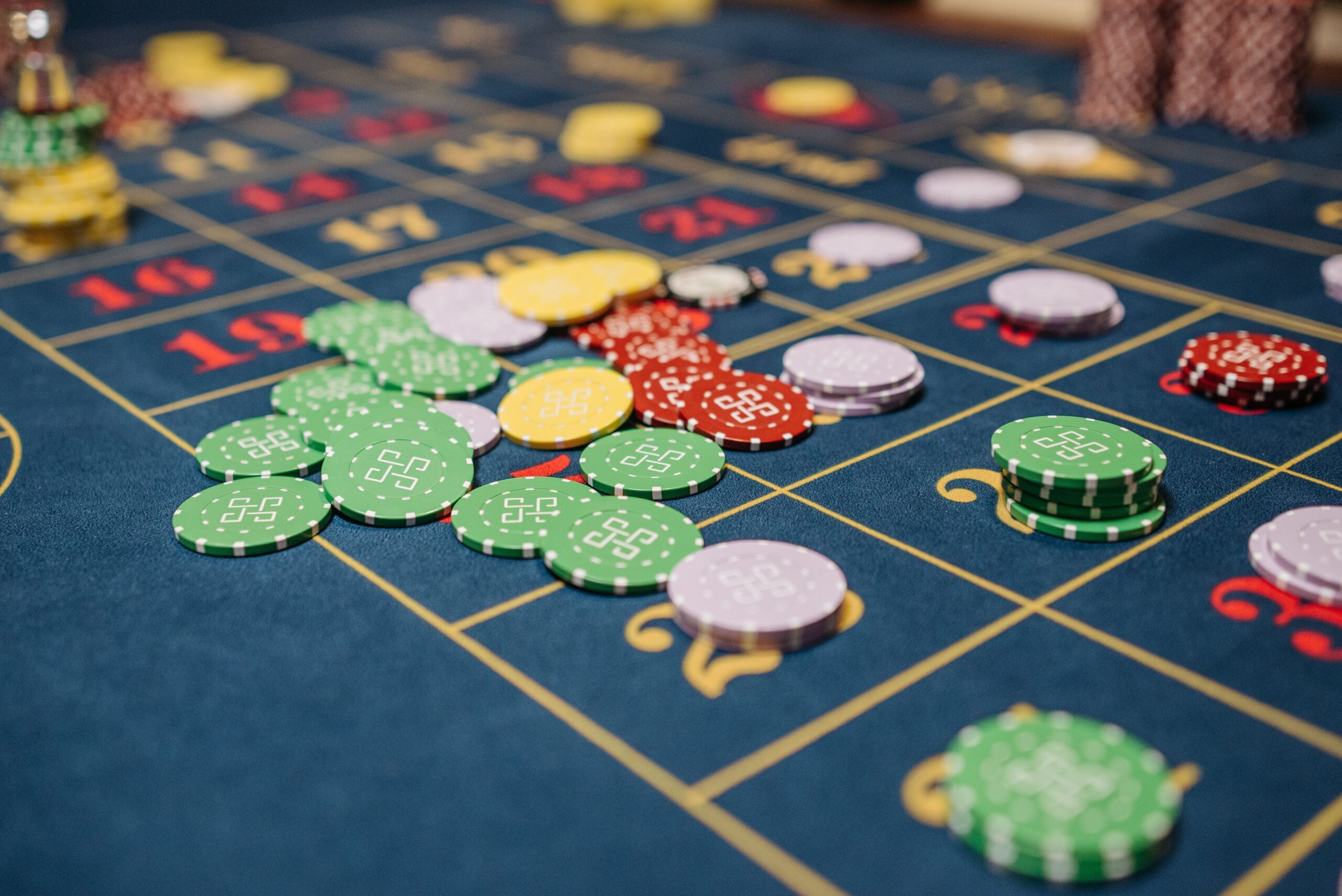
Seasonal events have become one of the biggest reasons players keep coming back to their favorite games. Whether it’s unlocking exclusive skins in Fortnite, climbing through a new battle pass in Valorant or completing a limited-time event in Call of Duty, today’s gamers expect fresh content that gives them a reason to log in regularly.
These features have completely changed modern gaming, and they’re no longer limited to traditional video games. Licensed online casinos have also introduced seasonal promotions, missions, loyalty rewards and limited-time challenges that borrow from the same engagement strategies. The difference is that regulated casino platforms combine these features with consumer protections and responsible gaming tools designed to support a safer player experience.
Why seasonal events keep players engaged
Seasonal content keeps games feeling fresh without changing the core experience. Instead of releasing entirely new games every few months, developers introduce temporary events that encourage players to return, complete objectives and unlock exclusive rewards.
The appeal comes from a combination of progression and variety. Players always have something new to work toward, whether that’s cosmetics, achievements or bonus content that reflects ongoing participation.
Recent data shows just how effective this approach has become. Around 71% of gamers say they extend their daily gaming sessions because of live-service incentives and seasonal events, showing how strongly these systems influence player engagement.
Many of today’s most successful live-service games rely on features such as daily and weekly challenges, limited-time events with exclusive rewards, battle-pass progression tracks and community-wide milestones. Together, these mechanics give players another reason to return without fundamentally changing the gameplay or disrupting the core mechanics that attracted them in the first place.
Online casinos are adopting similar mechanics
As gaming habits continue to evolve, licensed online casinos have introduced similar progression systems to create more engaging player experiences. While casino games remain very different from traditional video games, many of the surrounding features now feel familiar to anyone who regularly plays live-service titles and regularly updated games like Minecraft.
Players might encounter seasonal promotions, achievement-style challenges, loyalty tiers or special events tied to holidays and sporting occasions. Rather than simply offering one-off bonuses, many operators now encourage ongoing participation through structured reward systems. These features create a stronger sense of progression while giving players new objectives beyond the games themselves.
While game-inspired reward systems can make online casinos more engaging, they’re only worthwhile when they are offered by a licensed and regulated operator.
Licensed US online casinos must comply with state regulations that are designed to protect players. That includes clear terms for promotions, secure payment methods, independent game testing and access to responsible gaming resources. Players who want to better understand these licensing requirements and what they mean in practice can explore this guide in the US through Casino.org. The site compares licensed online casinos available in the US, alongside information about regulation, player protections and responsible gaming.
Responsible gaming tools available on many regulated platforms include deposit limits, time reminders, session limits and self-exclusion options. These features help ensure that entertainment remains the focus while giving players practical ways to stay in control of their spending and playing habits.
By contrast, unlicensed platforms might not offer the same level of transparency or consumer protection. This can make it harder for players to know whether games and promotions are being managed fairly.
Loyalty has become part of the digital experience
Reward programs are now common across countless industries. Streaming services recommend personalized content, retailers offer exclusive member discounts, and gaming platforms reward regular players with in-game items and bonuses.
The same trend is evident in online casinos. According to Queue-it, more than 90% of companies now offer some form of loyalty program, showing how valuable long-term customer engagement has become across digital businesses.
For players, loyalty programs can add another layer of entertainment. Instead of every session feeling isolated, progress often carries forward through points, status levels or event participation. That ongoing sense of achievement mirrors what many gamers already expect from multiplayer titles and live-service games that receive frequent content updates.
Progression is now expected across digital entertainment
Battle passes helped redefine what players expect from modern games. Instead of buying a title, finishing it and moving on, many people now enjoy ongoing experiences that evolve through seasonal updates, fresh challenges and meaningful progression.
It’s no surprise that other forms of digital entertainment have adopted similar ideas. Licensed online casinos are increasingly using seasonal promotions, missions and loyalty rewards to make their platforms feel more dynamic while encouraging players to return for new experiences.
The key difference is choosing platforms that balance these engaging features with strong regulation and responsible gaming measures. When those protections are in place, players can enjoy game-inspired progression systems within an environment that prioritizes fairness, transparency and informed decision-making while maintaining confidence in the platform they choose.
-
 Guides7 years ago
6 Proven Ways to Get more Instagram Likes on your Business Account
-
Mainstream12 years ago
BioWare: Mass Effect 4 to Benefit From Dropping Last-Gen, Will Not Share Template With Dragon Age: Inquisition
-
 Mainstream8 years ago
How to Buy Property & Safe Houses in GTA 5 (Grand Theft Auto 5)
-

 Guides2 years ago
Free Fire vs PUBG: Comparing Graphics, Gameplay, and More
-

 Guides2 years ago
50+ Free Fire ID and Passwords Login List (Giveaway) 2025
-
 Casual3 years ago
8 Ways to Fix Over-Extrusion and Under-Extrusion in 3D Printing
-

 Other2 years ago
Ajjubhai UID: Free Fire Details & Earnings
-

 Features2 years ago
Exploring Valorant eSports Stats: Unveiling the Metrics Behind Competitive Excellence