
Video Games
Top 10 Neo Geo Games

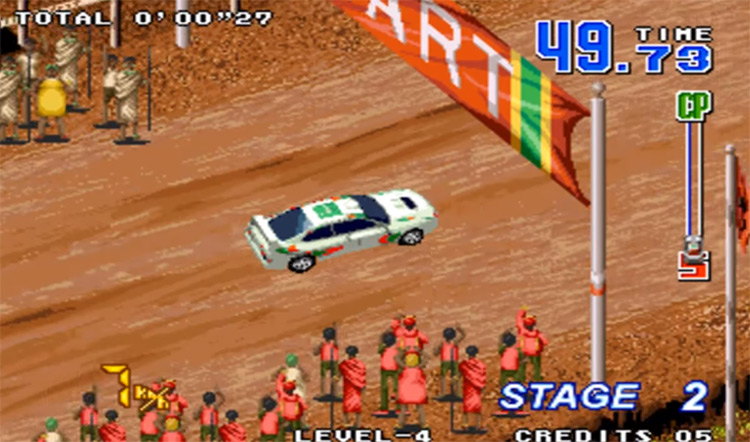
Home consoles often aimed high – but this one brought the arcade floor straight into living rooms. Back in the early nineties, SNK launched a machine built like a coin-op beast, sharp pixels roaring on screen. Its games didn’t mimic arcades; they were lifted right from them. Big sprites, heavy hits, fighters so tight they still feel crisp today. Time passed, yet fans keep digging through its catalog like buried treasure.
Start anywhere with the top Neo Geo games, and you’ll find picks that shaped what the system stood for back then. These selections keep showing up across old-school forums because people still talk about how they played, looked, or changed things later. Fighters draw some players in; others come for explosive run-and-gun stages – each entry here matters regardless. Miss them, and your view of its legacy stays incomplete.
Why Neo Geo Games Are Still Loved Today
Home play on Neo Geo felt just like the arcade, a rare match back then. Bright visuals popped on screen, every move reacted fast, difficulty hooked without frustrating. Fighting titles made it famous, true – yet sideways jumps into frantic shooter battles worked just as well. Even sports flickered with energy; puzzles snapped sharply too. Some machines leaned hard one way, this one danced across styles.
1. Metal Slug 3
For many folks, Neo Geo brings one title straight into view: Metal Slug 3.
Out of nowhere, the fluid chaos of movement defines what shines brightest here. Still jaw dropping today, those hand-crafted pixels hold their own against newer titles. Where paths split without warning, choices open up wild detours. Weapons twist expectations, each one built with odd ideas. Boss fights stick in memory long after screens fade to black.
Chasing down space monsters, then dodging colossal claws – Metal Slug 3 never slows. Hailed by fans, it stands tall in the Neo Geo lineup, fueled by chaos instead of quiet moments.
2. Garou Mark of the Wolves
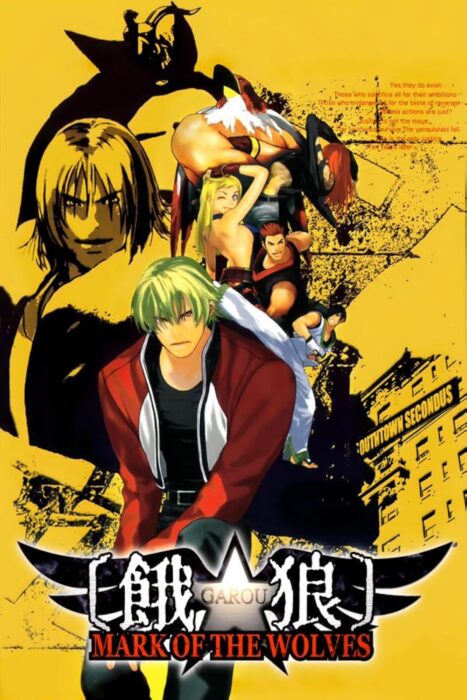
Fine work stands out, Garou: Mark of the Wolves earns that label from plenty who play it. SNK shaped something sharp here, a fighter praised long after release.
Coming last in the Fatal Fury lineup, this one brought fresh fighters, tighter gameplay, then stunning graphics. Thanks to the T.O.P. Mechanic choices mattered more on screen. Movements flowed so smoothly they matched what bigger studios put out at the time.
These days, fighters still talk about Garou because every move feels fair and rewards practice. Near the top it sits when listing the best Neo Geo titles of all time.
3. The King of Fighters 98
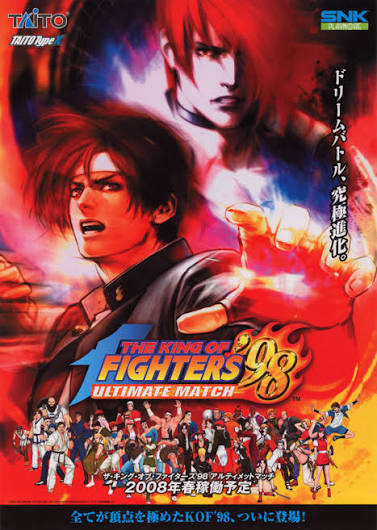
For any Neo Geo player, skipping The King of Fighters ’98 would be a missed chance. That game stands apart – no question. It hits the sweet spot between speed and control. Timing flows naturally here, unlike earlier versions. Moves link together without feeling forced. Every character brings something clear to the table. Balance makes fights feel fair but tense. Old favorites return, now sharper. Even casual matches deliver solid moments. There’s no clutter, just fighting that works.
Called the final chapter of fantasy fights by many, this one mixed icons from every corner of the franchise while barely touching plot. Out came a massive lineup, smooth mechanics, yet nonstop reasons to keep playing. Still.
For plenty of diehard followers, KOF ’98 hits hardest among Neo Geo entries. Still today, that version carries unmatched weight.
While exploring iconic classics, it’s also worth checking out the Best PlayStation 2 (PS2) RPGs Of All Time, which defined storytelling and gameplay for an entire generation.
4. Samurai Shodown II
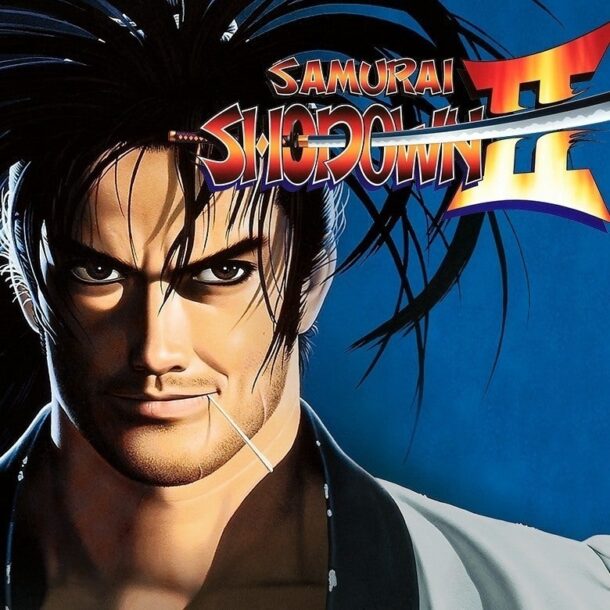
Samurai Shodown II made sword fights thrilling long before fighters with weapons took over. It arrived early, shifting attention through sharp mechanics instead of brute strength.
Samurai Shodown II didn’t praise constant attacking like many combat titles. Instead, it built drama through pause, distance, one strong blow at the right moment. Tension filled each match – because just two precise moves might flip everything around. Victory often came down to breath, instinct, then silence after impact.
Born from a fresh approach to fighting mechanics, it climbed ranks swiftly within SNK’s lineup. A standout edge in how moves connect made fans take notice early on. Through steady appeal, it turned into one of their best-known series over time.
5. Metal Slug X
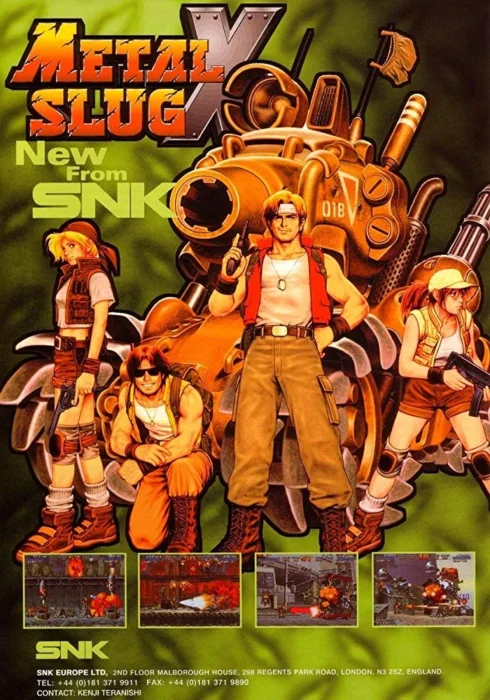
Faulty mechanics slowed down Metal Slug 2, even though it brought fresh concepts. Enter Metal Slug X – smoother, sharper, built to fix what stumbled before.
Smoothed out the lag issues, tweaked level balance – this one runs cleaner. A lot of players favor Metal Slug X simply because everything feels tighter, even if it’s mostly the same ride.
Starting out here makes sense if the series catches your attention.
6. The Last Blade 2
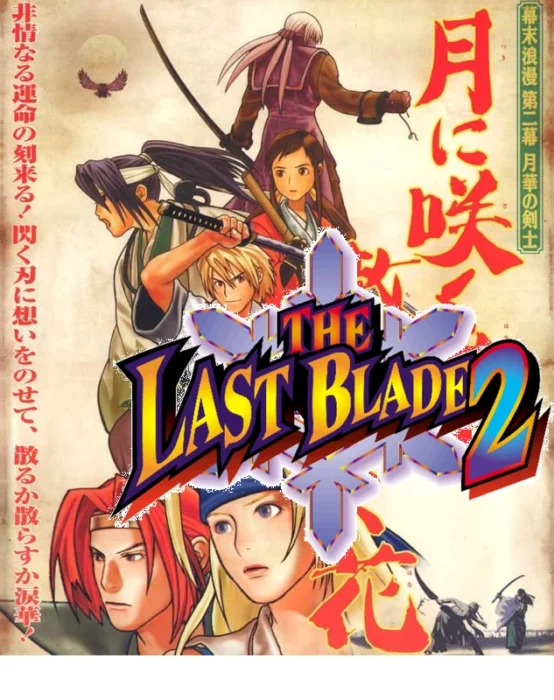
Hidden away behind flashier games, The Last Blade 2 quietly stands out on the Neo Geo. Not many notice it, yet it fights with sharp precision and quiet flair. While others grab attention through noise, this one wins through timing, control, every move feeling just right. Big names get spotlight, but here lies something tighter, more balanced. It doesn’t shout – just delivers.
Inside a richly crafted world rooted in fantasy and history, elegance shapes every clash of steel. Visuals unfold with an artistry rarely matched elsewhere on the platform. Instead of rushing forward, moments breathe deliberate intent. Strategy takes center stage, setting it apart quietly from Samurai Shodown. Even when compared to King of Fighters, its rhythm stands alone.
Among old-school game lovers, this one often tops the list of best Neo Geo fighters around.
If you appreciate the retro challenge and tight gameplay loops of Neo Geo titles, you’ll likely enjoy exploring the timeless design and difficulty of Classic Castlevania Games as well.
7. Blazing Star
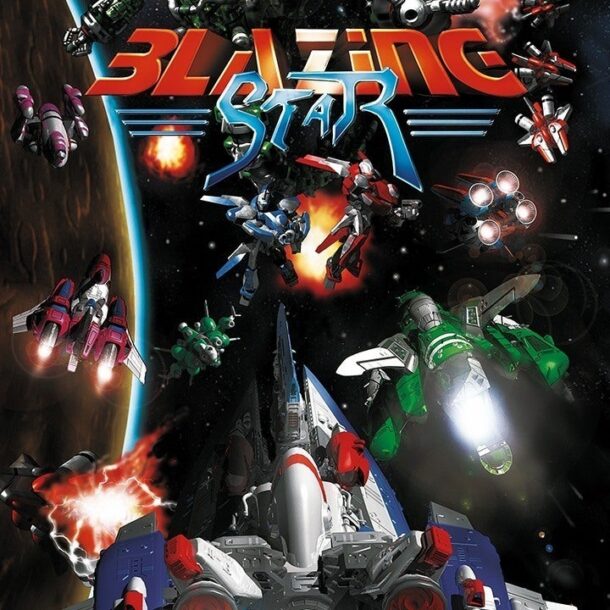
Blazing Star shows the Neo Geo could do more than just fighting games.
Spinning through layers of color, this sideways shooter packs massive enemies alongside flashy explosions. Running hard and loud, it made every pixel count on Neo Geo machines. Wild gunfire dances across screens while weapons crackle with punch. Graphics zoom by so sharp they seemed impossible back then.
Anyone who loves old-school shooting games will find Blazing Star hard to skip. Still.
8. Windjammers
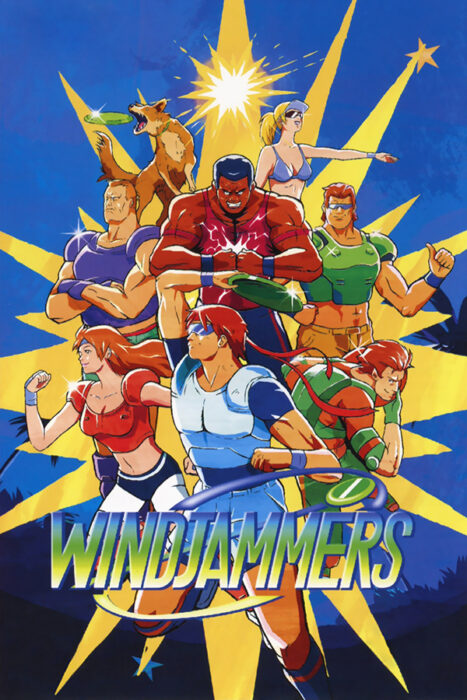
Part sports game, part fighting game, Windjammers is unlike anything else on Neo Geo.
A disc zips back and forth, launched by players aiming to beat the other team’s score. Beneath that basic setup lies sharp strategy, quick moves, sudden shifts – mental pushes mixed with split-second timing.
Still loved after many years, it finally gave rise to a new version today.
9. Neo Turf Masters
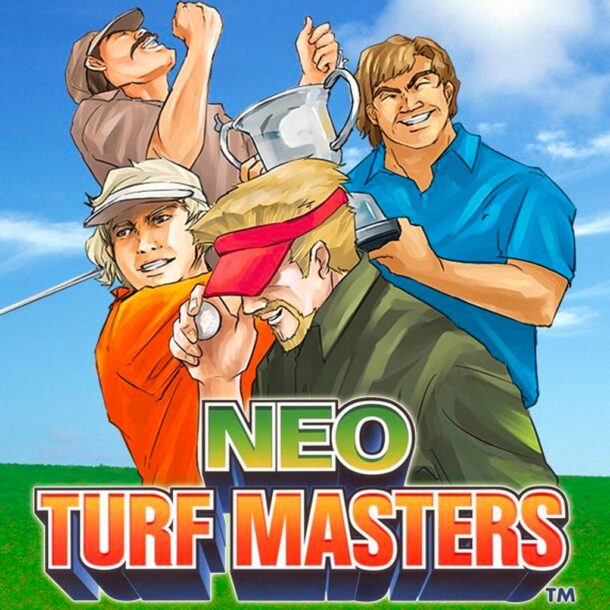
Funny how golf titles rarely come up when chatting about Neo Geo – yet here stands Neo Turf Masters, holding its ground.
Out on the green, things feel just right – simple enough to jump in, true enough to keep shots honest. Each course changes up the look and challenge, pulling you through one round after another. Fun sticks around, solo or shared, without fading fast. What holds it together? A rhythm that never feels forced.
Some folks never cared much for golf until they tried it themselves. A couple games in, something clicks. Suddenly they’re lining up putts like old hands. The rhythm grabs them by surprise. Out on the grass, time slows down. Each swing feels different than it looks. Watching becomes doing without warning. First one round, then another pulls them back.
10. Shock Troopers
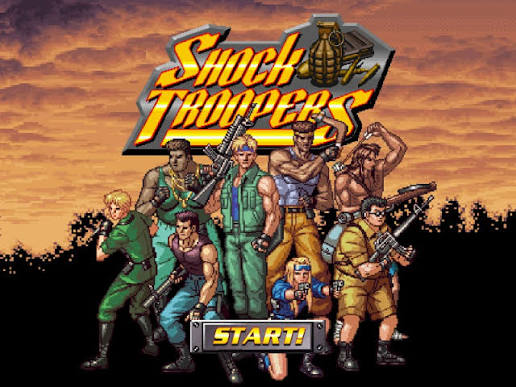
Back when twin-stick shooting wasn’t common, Shock Troopers already stood out. Though many games followed, few matched its raw edge.
Explosions tear through levels where players pick different fighters, each unlocking paths that twist off in separate directions. Speed matters here – every moment pushes forward without slowing down. Team up with others to take on challenges together instead of going solo. Choices ripple outward, changing outcomes across replays. Some call it chaotic; most just keep coming back for more.
Among Neo Geo’s hidden gems, this stands out quietly.
If you’re into classic console experiences beyond arcade-style titles, exploring Nintendo 64 games offers a different kind of nostalgia with its iconic 3D gameplay and memorable franchises.
Honorable Mentions
A handful of games didn’t make the cut, yet still earn a moment in the spotlight
- Fatal Fury Special
- Real Bout Fatal Fury 2
- King of Fighters 2002
- Pulstar
- Twinkle Star Sprites
- Puzzle Bobble
- Viewpoint
- Sengoku 3
- Baseball Stars 2
- Magician Lord
What set Neo Geo apart began to show clearly through these titles. The range they offered stood out, yet it was their sharpness that truly caught attention. Each one played differently, which kept things unpredictable. Quality wasn’t just claimed here – it came through every match. A mix of speed, detail, and responsiveness built something rare.
Final Thoughts
Thirty years past launch, the Neo Geo still stands tall among gaming systems. Packed with arcade hits, its collection holds up through sharp pixel visuals, tight control, yet a lasting sense of fun. Though aged, those games play like they were made yesterday – crisp, clear, built to last.
Among all the Neo Geo releases, these stand out as top picks – perfect whether diving into SNK’s history or expanding a vintage game shelf. Metal Slug 3 brings chaotic run-and-gun energy, while Garou: Mark of the Wolves offers sharp one-on-one battles that defined an era. Each title here reflects the raw power and arcade edge that made the system iconic. Few platforms matched its intensity; fewer still delivered such lasting impact.

Black Friday 2026 falls on November 27, and if you play games, it’s the one sale worth actually planning for. Discounts go up to 70% off and cover pretty much everything: new releases, older hits, DLC, gift cards and subscriptions, on PC, PlayStation, Xbox and Switch 2.
The hard part isn’t finding discounts. It’s not ending the weekend with fifteen new games you’ll never install. My own backlog is proof that a cheap game isn’t automatically a good buy, so this one’s about getting value, not just volume.
Why Prices Drop So Hard in Late November
It comes down to competition. Publishers, platforms and digital stores all run promotions in the same week, and nobody wants to be the one still charging full price. Games that almost never go on sale suddenly do.
The calendar helps too. Most of this autumn’s big releases have been out for a couple of months by now, which is usually when the first real price cut shows up. And with the holidays a month away, it’s a good time to sort out gifts before December prices creep back up.
Add-ons get cheaper alongside the games. So if you’ve been eyeing a game and its expansion, you can grab both in one go, sometimes for less than the base game cost on day one.
It also pays to look back before you look forward. If a new sequel has caught your eye but you never played the earlier entries, a heavily discounted previous game or a series bundle is a cheap way to find out whether the series is really for you.
What Usually Goes on Sale
Not every discount is equal. This year’s blockbusters tend to get modest cuts, maybe 20 to 40%. Older titles and indie games are where the big numbers live, and that’s where you’ll most likely see the full 70%. If you don’t mind playing something from two or three years ago, you’ll get far more for your money.
Already own a game you love? Then it’s a good moment for its DLC or season pass. Gift cards and in-game currency packs are often cheaper too, and they’re the safest present when you have no idea what’s already in someone’s library.
Don’t skip subscriptions either. A discounted year of a game library service can cost less than two new releases, and it’s a low-risk way to try genres you’d never pay full price for.
One thing to keep in mind: a big percentage doesn’t always mean a low price. 70% off a game that launched at a premium price can still cost more than 30% off a smaller title you’d enjoy just as much. Look at the final price, not just the discount badge.
Where to Look for the Best Black Friday Deals?
G2A.COM is a good first stop. It’s a marketplace, so many sellers list the same game keys, gift cards and subscriptions, and you get to pick the best price instead of taking whatever one store decides to charge.
You’ll find amazing black friday gaming deals on G2A.COM gathered on one dedicated page, with offers for every major platform. That alone saves a lot of tab-hopping between stores.
Digital codes also arrive right away. No shipping, no scratched discs, and if you remember a friend’s birthday the night before, nobody has to know.
Don’t leave it to the last day, though. Popular offers can sell out, and prices sometimes shift mid-sale as sellers undercut each other. If a game on your wishlist hits a price you’re happy with, that’s your cue to buy it rather than gamble on it dropping further.
A Few Ground Rules Before You Buy
Sales are built to make you spend fast. A bit of planning keeps you in charge:
- Make a wishlist now, before the sale starts. If a game isn’t on it, ask yourself why you’re about to buy it.
- Set a budget and stick to it, even when a countdown timer says the deal ends in three hours.
- Check the platform and region of every key. A cheap code that won’t activate isn’t a bargain.
- On marketplaces, buy from sellers with plenty of positive reviews.
- Compare a few offers for the same game. Prices between sellers can differ more than you’d think.
The Bottom Line
Up to 70% off is a big number, but the real win is finishing the weekend with games you’ll actually play. Make your list, set your budget, and check G2A.COM once the deals go live.
And if you’re shopping for someone else and can’t decide, a gift card is never the wrong answer. They get to pick, and you get the credit.
See you in the backlog.
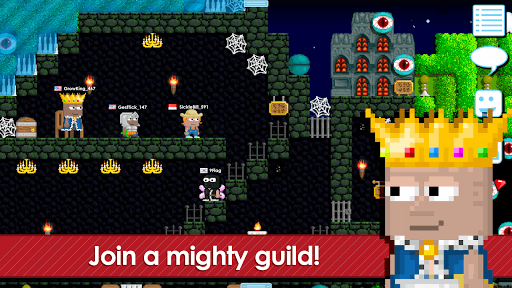
Growtopia has been running long enough that it has its own economy, its own slang, and a player base that treats world ownership the way other MMOs treat guild halls. It is a 2D sandbox where every world is built by someone, every item has a market value, and most of the content you play was made by another person rather than a design team. Published under the name Ubisoft Entertainment, it sits in the Adventure category on mobile stores, though in practice it behaves like a persistent online world with crafting, farming and trading at its core.
The pitch is simple. You get a blank world, a seed, and a few blocks. What you do with that is entirely up to you.
What Makes Growtopia an MMO Rather Than a Sandbox Toy
The distinction matters because it changes how people play. Worlds in Growtopia are shared spaces with names, locks and access rules, so building something is only half the activity. The other half is showing it to people, defending it, or charging admission in the form of world locks, the game’s informal currency.
Farming is the engine underneath all of it. You splice seeds, grow trees, harvest blocks and gems, then either use the materials or sell them. Thousands of unique items exist, and the ones that stop being obtainable become collector pieces. That is how a game about punching dirt turned into something with a secondary market and players who specialise in trading rather than building.
Mini games are the third pillar. Parkour runs, races, PVP arenas, puzzle worlds and story worlds are all player-generated, which means the catalogue grows constantly and quality varies wildly. Finding a good one is part of the experience.
Costumes, Status and the Social Layer of Growtopia
Growtopia leans hard on costume items. You can put together a space knight with a lightsaber, a doctor, a wizard, a queen with a dragon following her around, and the parts come from drops, events and the market. Appearance carries social weight here. Veteran players are recognisable on sight, and rare items function as a status marker in a way that is closer to an MMO than a casual builder.
Seasonal events bring in limited items and themed worlds, and the community organises around them, with trading servers and world shops filling up whenever a new batch lands. If you are the kind of player who enjoys spreadsheet-adjacent market games, that layer alone can hold your attention longer than the building does.
Running Growtopia on Windows for Longer Building Sessions
On a phone, Growtopia works fine for quick harvesting runs and checking your worlds, but placing blocks precisely with a thumb over the screen gets tedious during a large build, and trade chat is slow to type. That is the gap a desktop setup fills, and players who download Growtopia for Windows through an Android emulator usually do it for the keyboard, the mouse precision on block placement, and the ability to keep a wiki or item price list open in another window while they work.
The approach is the standard one: an Android environment running on your PC, with the game installed inside it. Nothing about Growtopia requires heavy hardware, so this is less about performance than about input and screen space.
Where New Players Usually Get Stuck
The early game is slow if you do not know what you are doing. New accounts start with limited inventory space and no world locks, and the fastest route forward is farming a cheap, reliable tree rather than chasing rare items. Learning what splices into what saves hours.
The other common trap is trusting strangers with your items. Scam attempts are a known part of the game’s social landscape, and the drop-and-trade culture makes them easy to fall for.
Shop world owners running a storefront for weeks, or players grinding toward one specific rare splice, are the ones who feel the difference a keyboard makes most: typing out prices in trade chat, lining up blocks exactly, keeping a splice list open while they farm. That’s less a phone game habit and more a routine, which is exactly what a bigger screen and a mouse are built for.
A Minecraft server can look simple from the outside: blocks, tools, farms, and a chat feed moving by at speed. Spend time on established community servers, though, and a much more structured system appears. Prices form around rare materials. Labor gets paid through plugins. Land carries upkeep costs. Whole districts become trade zones with their own routines and unwritten rules. What started as shared survival spaces has, over time, turned into a patchwork of functioning economies shaped by code, scarcity, and player behavior. The strongest servers do not leave that process to chance. They build rules that keep trade moving, wealth circulating, and resource pressure from tearing the whole system apart.
Server currencies, trade, land value, and controlled markets
Community servers use different economic systems depending on how players earn, exchange, and spend resources. Some rely on physical goods such as diamonds or emeralds, while others use plugin-based currencies connected to Vault and EssentialsX. Custom tokens are another option, often distributed through quests, daily tasks, or server events. Each model influences how administrators manage prices, resource availability, and currency circulation.
Player-operated shops form another part of these economies. Chest shops, trading posts, and automated farms allow players to exchange materials, equipment, and crafted goods. On Towny and SMP servers, land ownership also influences prices. Plots near town centers, transport routes, or established marketplaces can command higher prices because they provide better access to customers and trading infrastructure.
Chance-based minigames can operate within these controlled economies, allowing players to use server tokens in activities determined partly by random outcomes. However, virtual-currency minigames differ from real-money casino games, where wagers and payouts involve actual financial transactions. The distinction becomes clearer when comparing server minigames with established table-game categories, including variants grouped under 32Red Tafelspelen. While both formats may use recognizable mechanics involving cards, random outcomes, or virtual chips, their payment structures, currency values, and regulatory requirements are fundamentally different.
Towny and Skyblock produce opposite economic pressures
Two of the clearest examples of economic design in Minecraft are Towny-based survival servers and Skyblock networks. Towny usually produces a decentralized market. Players gather from a finite world, claim land, organize towns, and trade under natural limits set by distance, terrain, and time. Scarcity has weight because ore veins, building space, and safe transport all depend on the map and on local control. In that setting, a currency can act like soft fiat through plugins or remain tied to commodities such as diamonds. Either way, prices emerge from uneven supply and local demand.
Skyblock moves in the opposite direction. Resource generation is often engineered through island systems, minions, spawners, cobblestone generators, and admin-defined progression loops. That setup pushes servers toward a centralized economy, with hard fiat coins minted through tasks, sales, or automated actions. Global auction houses and instant-sell bazaars replace regional trade routes because distance has little meaning. Wealth moves faster, but scarcity is weaker unless administrators create strict sinks.
Those structural differences explain why the same item can hold very different value across server types. In Towny, labor and geography keep prices uneven. In Skyblock, automation and rapid turnover can flatten markets unless upgrades, cosmetic spending, and special enchants absorb currency. One format rewards regional commerce. The other needs firm top-down tuning to prevent runaway accumulation.
Jobs, guilds, and paid labor turn routine tasks into market roles
Many long-running servers add job systems to make repetitive work pay in a predictable way. Mining, farming, woodcutting, fishing, and crafting become income sources through plugin frameworks that assign fixed rewards per action. That changes the economy in a direct way. Instead of relying only on resale value, players can estimate returns from time spent on labor. A wheat farm is no longer useful only for food or villager trading. It becomes part of a wage loop backed by server rules.
Guilds and town groups build on that foundation. A settlement may hire members to gather stone for walls, stock community shops, or harvest wood for construction. Large factions often divide labor into roles: suppliers, builders, transport handlers, and traders. This creates a labor market with visible pay rates and known specialties. Newer players gain a route into the economy through work rather than land ownership or rare gear.
Paid labor also gives administrators another balancing tool. If item prices fall because supply gets too high, wage outputs can be adjusted or tied to daily caps. If a server wants to push agriculture, shipping, or brewing, it can reward those jobs more strongly for a period. That level of control keeps markets moving without forcing every decision through direct price setting.
Wealth gaps appear fast when sinks and limits are too weak
Unregulated Minecraft economies often run into the same pattern. Early adopters secure land, automate farms, and gain access to trade first. Their position compounds over time, especially when there are few maintenance costs and no meaningful limits on stockpiling. The result can be extreme wealth inequality. On some servers, staff have reported Gini-style patterns that resemble severe concentration in real-world economies. Once that happens, normal trade starts to weaken because too much value sits with too few players.
Inflation often grows alongside that gap. If server money is created faster than goods leave circulation, prices climb and common labor pays less in real terms. This happens often on servers with unchecked mob farms, loose sell-shop values, or stacked automation that floods the market around the clock. Rich players can absorb the shift. New arrivals usually cannot.
Communities that stay healthy tend to install several drains at once. Land upkeep taxes remove passive hoards. Nation maintenance in Towny pushes groups to stay productive. Auction fees clip rapid reselling. Limited plots near spawn stop a few players from owning all prime retail space. Some servers also reset resource worlds on a schedule so extraction continues without collapsing the main map’s settlement structure.
-
 Guides7 years ago
6 Proven Ways to Get more Instagram Likes on your Business Account
-
 Mainstream8 years ago
How to Buy Property & Safe Houses in GTA 5 (Grand Theft Auto 5)
-

 Guides2 years ago
Free Fire vs PUBG: Comparing Graphics, Gameplay, and More
-

 Guides2 years ago
50+ Free Fire ID and Passwords Login List (Giveaway) 2025
-
 Casual3 years ago
8 Ways to Fix Over-Extrusion and Under-Extrusion in 3D Printing
-

 Other3 years ago
Ajjubhai UID: Free Fire Details & Earnings
-

 Features2 years ago
Exploring Valorant eSports Stats: Unveiling the Metrics Behind Competitive Excellence
-

 MMOs2 years ago
Top 15 Famous Minecraft YouTubers You Should Watch in 2024